




A Legacy of Humane, Evidence-Based Correctional Healthcare Design: Celebrating David Redemske’s Career at HDR

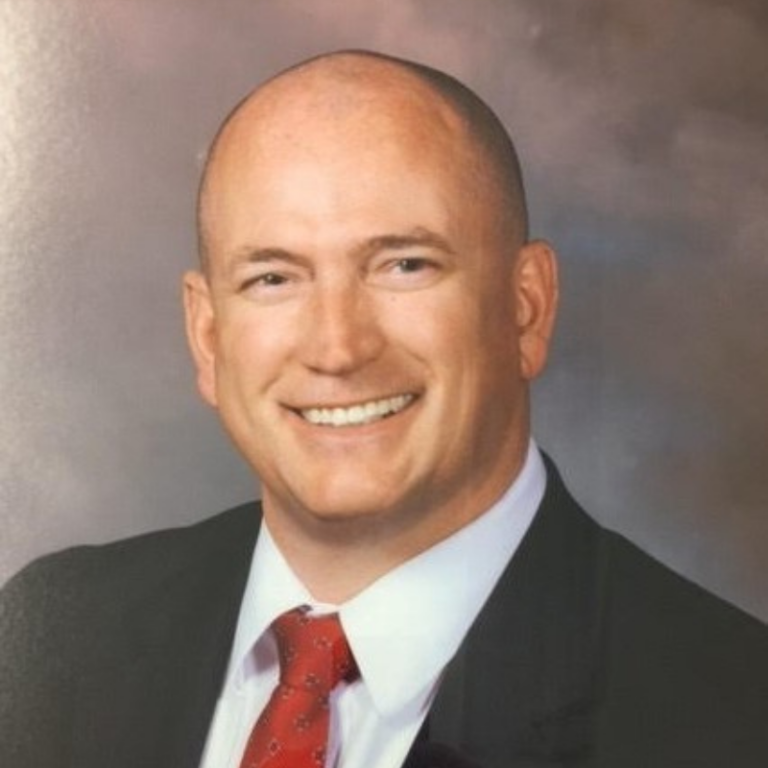
Internally, Dave Redemske’s leadership reshaped HDR’s culture. As he steps into retirement, colleagues say his impact will endure. | Photo Credit (all): HDR
By Lindsey Coulter

As he retired Monday after a nearly three-decade career with HDR, David Redemske, ASHE, CCHP, Senior Principal, Health Planning, leaves a legacy that reshaped how architects, clinicians and justice officials think about healthcare behind secure walls.
Redemske spent decades operating at the intersection of architecture, clinical operations and correctional systems. Over time, he became one of the profession’s most influential voices in correctional healthcare planning — not only designing facilities, but reframing the philosophical and operational conversations that shaped them.
Colleagues consistently point to an uncommon blend of credibility and compassion as the defining hallmark of his career.
“Dave brought a rare combination of advocacy, expertise, and genuine human connection to his role,” said Jim Dodge, MAATO, Dipl. Arch T.P. Justice Principal. “He had an innate ability to build trust; clients immediately felt understood and supported. Dave didn’t just present solutions — he invited collaboration. His ability to merge deep technical knowledge with empathy and creativity made him an exceptional designer and an even more exceptional planning partner.”
Technically rigorous yet deeply human-centered, Redemske was the first architect to earn certification through the National Commission on Correctional Health Care — a milestone that distinguished both him and HDR in a competitive marketplace.
“From the outset, Dave distinguished himself through his rare ability to speak fluently in both clinical and architectural terms,” said Matt Skarr, Justice Director for HDR. “He articulated how secure environments directly influence care delivery models and design outcomes—connecting operational realities, patient dignity, staff safety and evidence-based design in a way that resonated deeply with clients.”
Jim Atkinson, AIA, ACHA, EDAC, LEED AP, Director, Health Planning, for HDR, emphasized how that fluency translated into implementable solutions.
“Dave’s success stemmed from a rare combination of deep subject matter expertise and an ability to translate clinical needs into practical, secure design solutions,” Atkinson said. “He consistently paired technical rigor with operational realism — linking service models to security, staffing, circulation, and transport — so design recommendations were implementable within the constraints of correctional settings and reduced risk during schematic design, helping agencies make defensible programmatic and budgetary decisions.”
Gerry Guerrero, AIA, NCARB, DBIA, Civic Global Director for HDR, describes him as a pioneer.
“Dave was a visionary whose dedication transformed the way our industry thinks about healing within the justice system,” Guerrero said. “I deeply admired the commitment and compassion he put into creating environments that uphold dignity, promote recovery and offer true pathways to hope for those in need of treatment.”
A pivotal inflection point in Redemske’s career came during his year as HDR’s first research fellow studying healthcare delivery in U.S. prisons. The resulting publication, “Providing Healthcare in the Prison Environment,” became a practical industry framework. His research also shifted the tone of industry dialogue.
“Dave’s research introduced a vocabulary and conceptual framework that helped clients and policymakers understand how secure environments and healthcare delivery models intersect,” Skarr said. “His work pushed conversations beyond compliance toward exploring what humane, patient-centered correctional healthcare could look like.”
Redemske’s influence extended across projects nationwide.
“Dave’s presence elevated every opportunity,” Skarr said, offering a long list of Redemske’s projects. “He consistently brought depth, credibility and vision to the conversation.”
Even when challenges arose, Redemske remained steady.

“Dave advanced humane, evidence-based design in security-driven environments by staying grounded in patient advocacy, using clarity, empathy and evidence to guide stakeholders toward better care environments,” Dodge said.
Atkinson noted that Redemske also pushed the profession to reconsider long-held assumptions.
“Dave redefined how designers and agencies think about clinical operations in secure environments,” Atkinson said. “He linked care models to security, staffing, circulation and transport in ways that broadened the field’s understanding of what was possible.”
Internally, his leadership reshaped HDR’s culture. As he steps into retirement, colleagues say his impact will endure.
“Dave’s leadership, generosity and passion for improving the justice system will continue to guide our work,” said Heather Lorenzo, Associate AIA, EDAC, Justice Planner and Researcher with HDR. “His mentorship shaped many of us, and his influence will carry forward as we advance HDR’s correctional health practice.”
“His legacy is one of purpose-driven design — grounded in empathy, collaboration and patient advocacy,” Dodge added. “Those values will continue to shape HDR long after his retirement.”
“Dave was unquestionably a leader in correctional healthcare,” Lorenzo added. “His work, vision and spirit will continue to guide us as we move into the next phase of HDR’s practice.”
Through scholarship, leadership and relentless advocacy for better care environments, Redemske has left an indelible mark on the profession — one that will continue shaping correctional health planning long after his final day at HDR.