


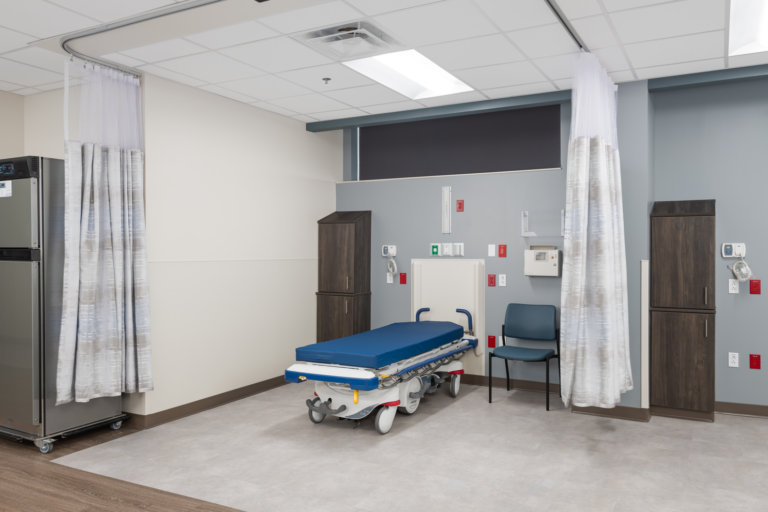

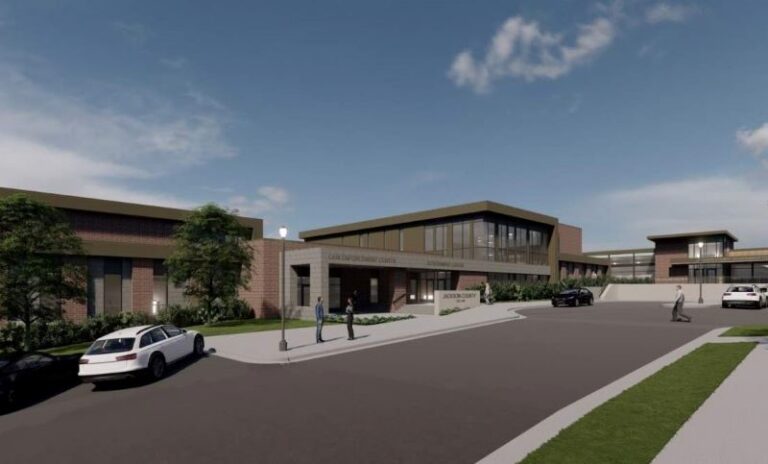
Designing for Healing in Correctional Environments
Historically, correctional facilities were cold, institutional and not places that promoted healing.

Historically, correctional facilities were cold, institutional and not places that promoted healing.
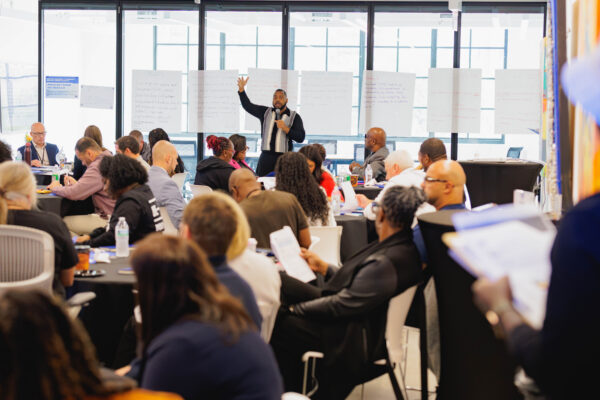
Approximately 50 attendees representing correctional systems, community organizations and people formerly incarcerated participated in Chicago Beyond’s National Justice Strategy Lab, held Sept. 23–24 in Chicago. | Photo Credit (all): Chicago…

A correctional agency can deploy thousands of tablets and still lack a measurable rehabilitation strategy.
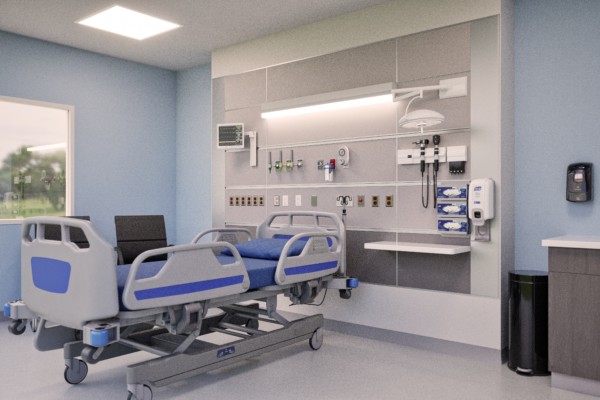
A pressing question for correctional agencies is how to deliver environments that accommodate changing clinical needs while remaining practical to build, maintain and operate over the long term.
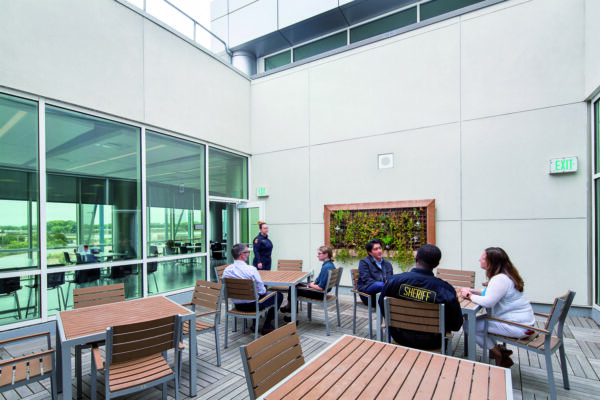
For decades, correctional design has evolved beyond simply containing incarcerated populations.
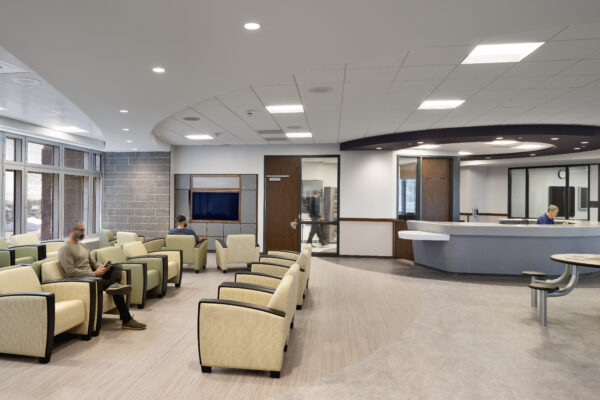
For decades, justice facility planning centered on security, operational efficiency and durability.

Just as prison and jail populations seemed to be on the decline, many jurisdictions are experiencing an uptick in the average daily population.
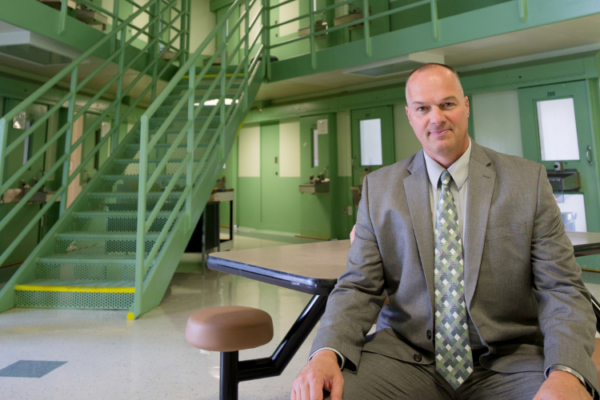
Maine Department of Corrections (MDOC) Commissioner Randall Liberty’s connection to corrections began decades before he ever expected to lead the state’s system.
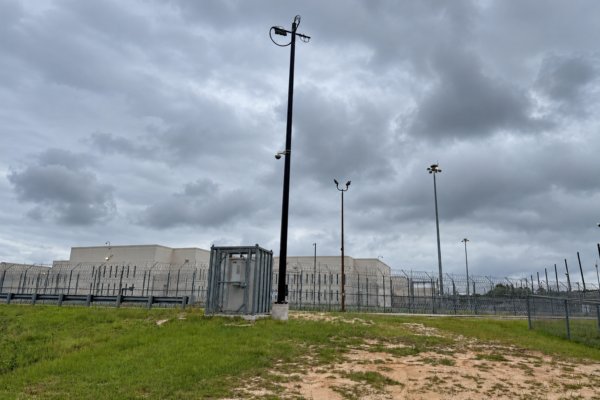
Correctional agencies across the country are facing one of the most persistent threats in modern corrections: contraband cell phones and unauthorized wireless communications.
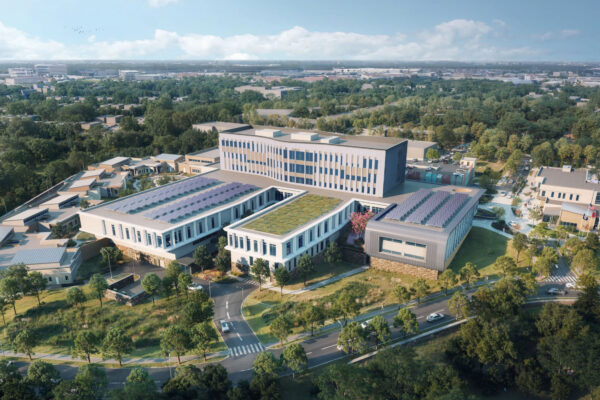
The most successful justice projects rarely follow a straight line.