





BOP Expands Minimum-Security Camp Use for Reentry

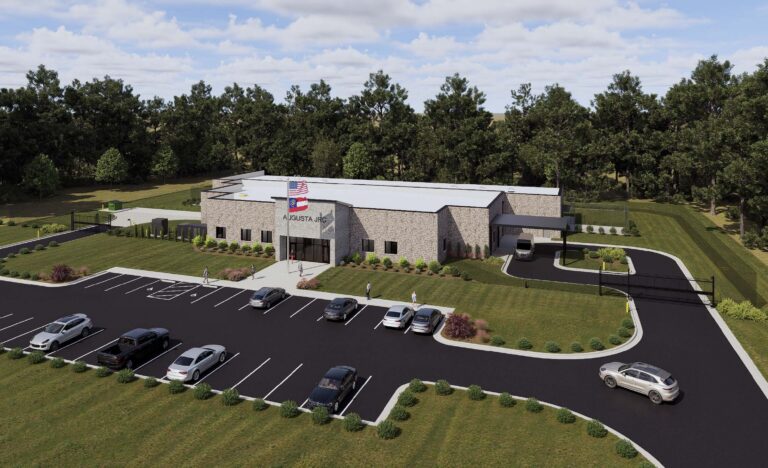
The Federal Bureau of Prisons is moving to place more qualified individuals into minimum-security camps to aid in their preparation for reentry. | Photo Credit: BOP
- The Federal Bureau of Prisons announced May 28 that it will expand the use of minimum-security camps as transitional placements for eligible individuals nearing release.
- Effective immediately, institutions are to begin transferring approved individuals to camps once they receive a Residential Reentry Center or home confinement placement date.
- Initial implementation will prioritize eligible individuals now housed in low-security institutions who are appropriate for camp placement.
- The BOP said the move will make greater use of existing camp infrastructure while reducing reliance on higher-cost placements and excluding categories the agency considers ineligible.
WASHINGTON — The Federal Bureau of Prisons (BOP) is expanding the strategic use of minimum-security camps, positioning them as transitional placements for eligible individuals preparing to return to the community. Announced May 28, the initiative is intended to support reentry while making fuller use of existing federal camp capacity.
Effective immediately, institutions are to begin transferring eligible individuals to camps once they receive a Residential Reentry Center or home confinement placement date. The BOP said initial implementation will focus first on approved individuals now housed in low-security facilities who are appropriate for camp placement.
The agency said intermediate placement in a minimum-security camp can provide a more community-like setting while preserving structure, oversight and accountability. In the announcement, the BOP argued that this kind of step-down placement better prepares individuals for release than a direct transition from higher-security institutions.
“Ensuring inmates receive appropriate preparation, structure, and support prior to release is critical to reducing recidivism and enhancing public safety,” said BOP Director William K. Marshall III, according to a news release from the Federal Bureau of Prisons.
The BOP also cast the move as an operational and fiscal decision. By relying on existing camp infrastructure — much of which the agency said has historically been underutilized — the bureau said it can reduce reliance on higher-cost placements, lower operating costs and use available capacity more efficiently.
Transfers are to be carried out under Program Statement 5100.08 CN-3, Inmate Security Designation and Custody Classification. The initiative applies to approved individuals across security levels, though the first phase will target those in low-security institutions who qualify for camp placement.
The BOP said camp placement will not be available to sex offenders, deportable aliens, Disruptive Group members, domestic or international terrorists, inmates who require heightened monitoring, inmates with recent serious misconduct, or cases in which placement would pose an identifiable public-safety risk.
The announcement also fits within broader reentry and modernization themes established during Marshall’s tenure as BOP Director. In an interview with Correctional News earlier this year, Marshall emphasized community-based supervision models as part of the agency’s direction, as well as continuing with implementation of the First Step Act and Second Chance Act. In April, during Second Chance Month, another Correctional News article examined how reentry has increasingly been framed as a public-safety strategy rather than a release-stage afterthought.
This article is based on information published in a news release by the Federal Bureau of Prisons on May 28, 2026.