


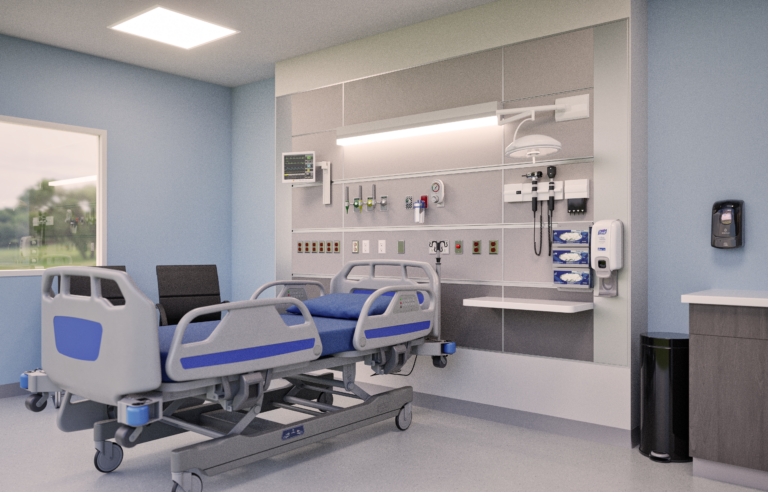

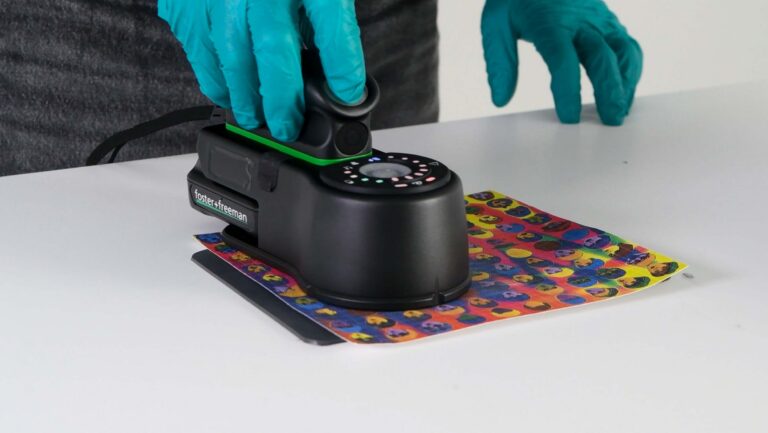
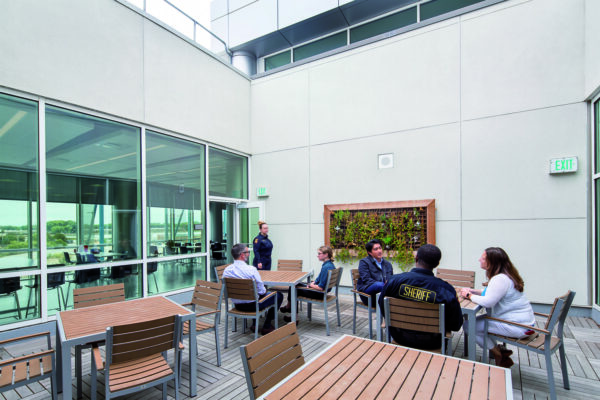
Beyond Accommodation: Designing for Capability in Trauma-Informed and Neurodiverse Correctional Environments
For decades, correctional design has evolved beyond simply containing incarcerated populations.

For decades, correctional design has evolved beyond simply containing incarcerated populations.
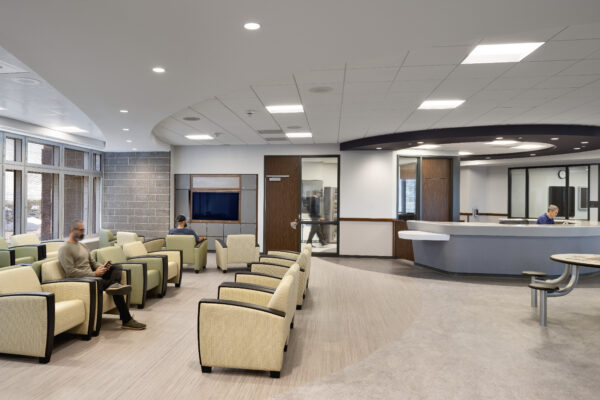
For decades, justice facility planning centered on security, operational efficiency and durability.

The Federal Bureau of Prisons (BOP) has established a dedicated First Step Act Office to centralize oversight of the agency’s implementation of the 2018 federal criminal justice reform law.
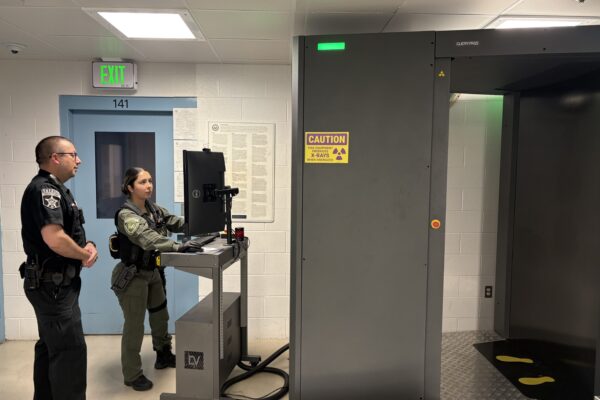
The Lake County Adult Correctional Facility in Illinois has received the National Institute for Jail Operations’ Detention Facility Innovation Award for a coordinated series of security, operational, training and programming improvements.
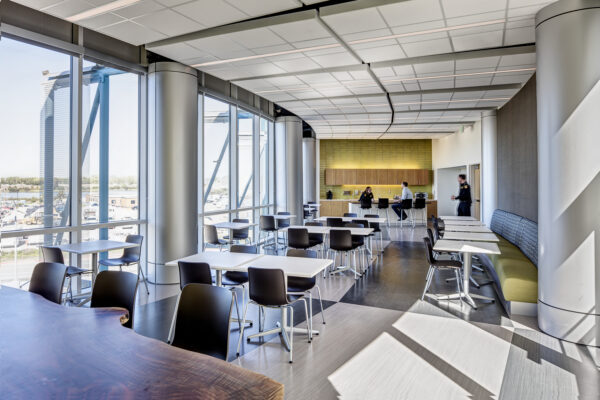
Designing correctional facilities as public health infrastructure requires more than improving conditions inside housing units.
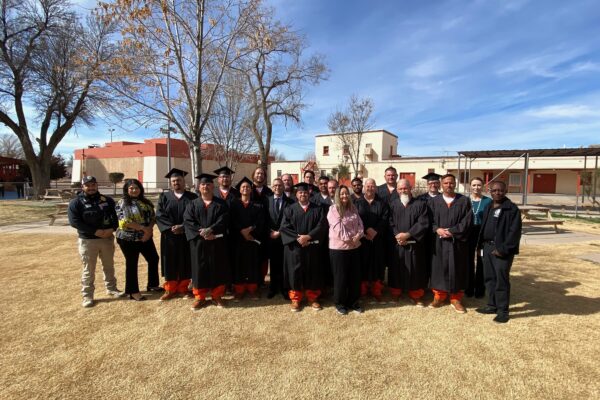
The New Mexico Corrections Department (NMCD) recently announced that 272 incarcerated students earned high school equivalency credentials in fiscal year 2026, the highest annual total in agency history and the fourth consecutive year the department exceeded the Legislative Finance Committee’s performance target.
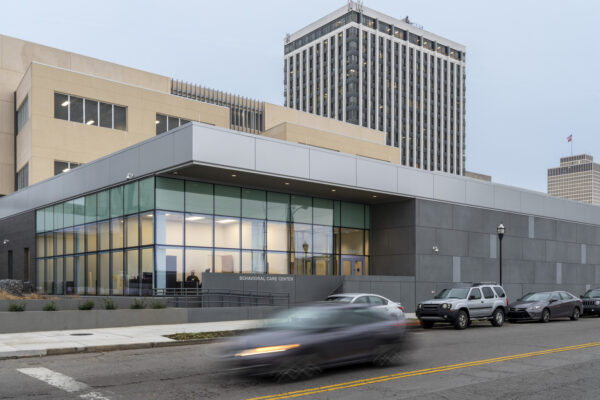
For much of the 20th century, correctional facilities were designed as instruments of containment — hardened, inward-facing environments optimized for control, efficiency and separation from civic life.
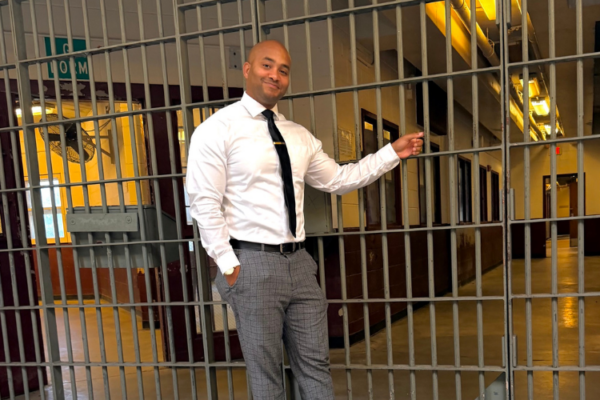
Typically, when correctional facilities reach the end of their useful lifecycle, or are rendered obsolete by modern replacement facilities, the buildings are demolished and their sites are redeveloped for new purposes.

Despite facing different operational challenges across their respective states, correctional leaders gathered in Washington with a shared agenda during the Correctional Leaders Association’s annual On the Hill advocacy event.
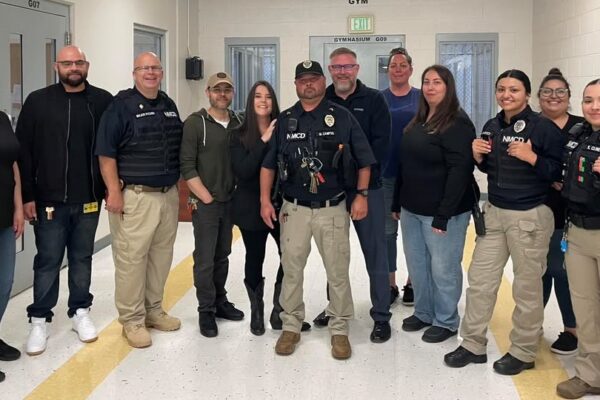
When I became Cabinet Secretary of the New Mexico Corrections Department (NMCD) in 2019, I had already spent nearly two decades with the department, serving as a caseworker, probation and parole officer, unit manager, deputy warden and warden.