



Reentry Program Expands to King County, Wash., to Reduce Recidivism
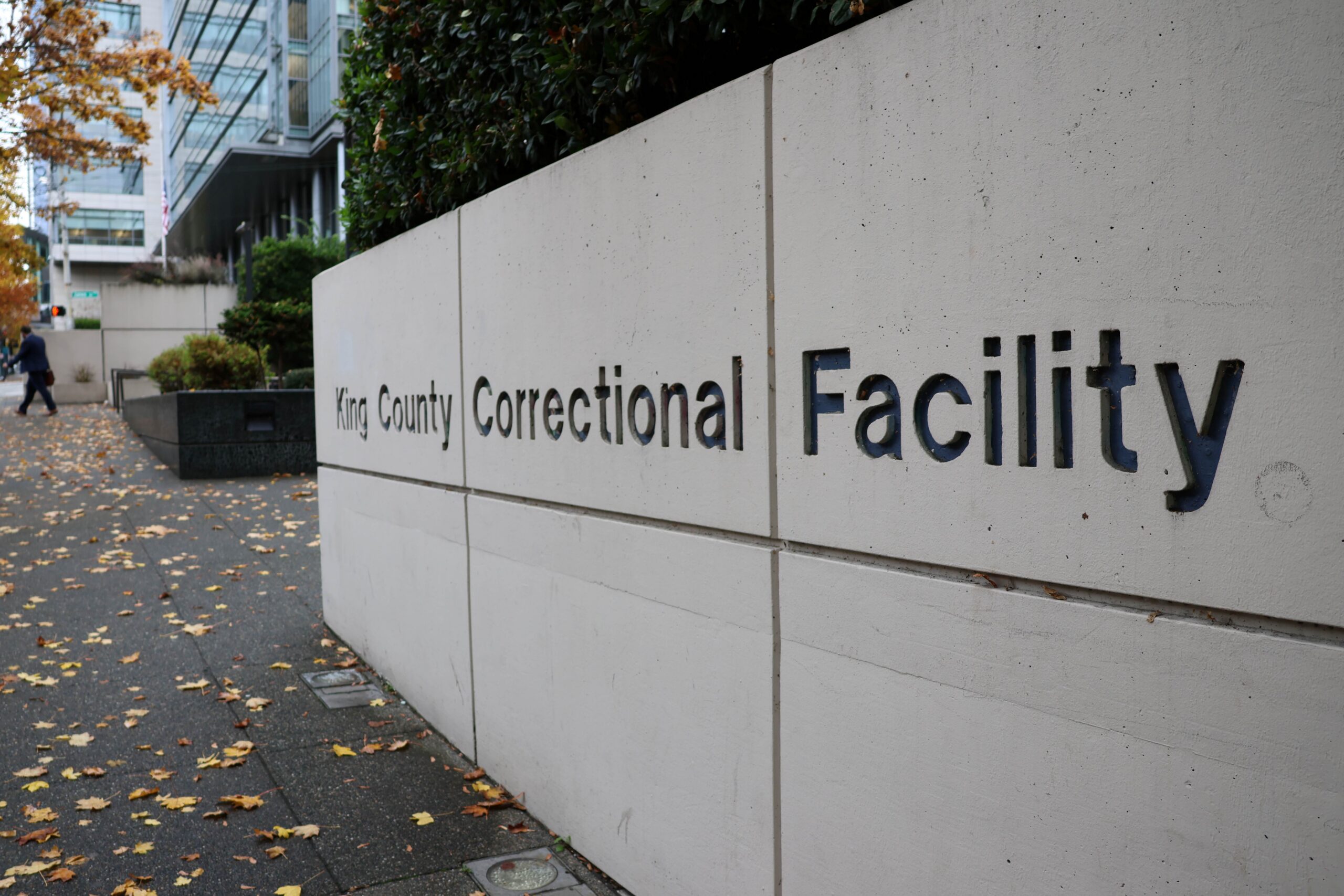
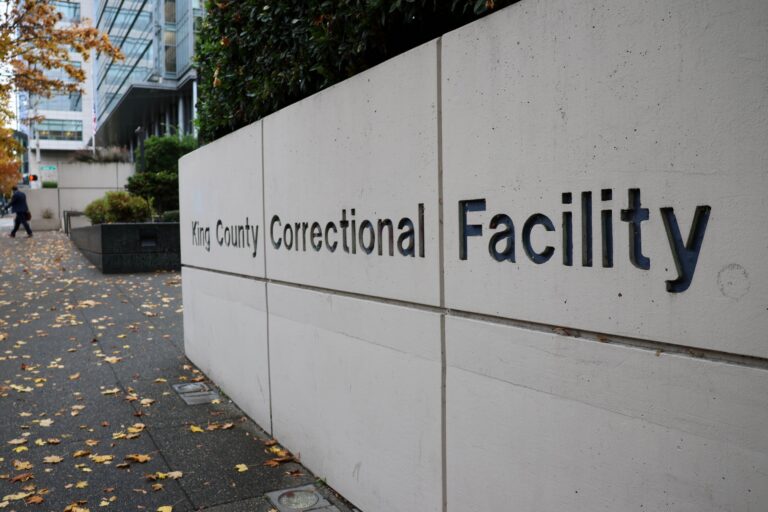
The King County Correctional Facility is one of the latest correctional facilities to roll out a new reentry initiative. | Photo Credit: King County Department of Adult and Juvenile Detention
By Whitney Clark
KING COUNTY, Wash. – A reentry program aimed at helping inmates’ transition back into the community, while getting them the medical and behavioral help they need through a Medicaid waiver, has expanded into two adult jails in the Seattle area.
According to a news release from county officials, the new reentry initiative officially rolled out in King County, Washington., on July 1, 2026. There are more than 40 facilities throughout the state participating, which now includes the King County Correctional Facility in Seattle and the Maleng Regional Justice Center in Kent.
This is all part of a bigger plan under a recent executive order by King County Executive Girmay Zahilay to break the cycle of homelessness, addiction and incarceration across the state.
“By expanding access to healthcare and other supportive reentry services, King County is working to replace the revolving door of the criminal legal system with a stable bridge to recovery and rehabilitation (and) creating safer, healthier communities as a result.” said Executive Zahilay in a written news release from October.
The goal is to make sure inmates get life-saving medications, housing assistance, and other needed services so they don’t end up back in jail, said Danotra McBride. McBride is the Deputy Division Director of Jail Health Services in King County and has been working in correctional healthcare for more than 20 years.
“Our hope is to provide more care and connection to the community,” McBride said.
The initiative will expand certain services up to 90 days before an inmate is released, and a key part of the program includes a waiver that changes how Medicaid funds can be used for those behind bars.
Because of the Medicaid Inmate Exclusion Policy, often referred to as the inmate exclusion act, when people are incarcerated, their Medicaid coverage stops. Washington is one of 22 states which qualifies for the waiver that gives inmates access to healthcare before and after their release. The jails are then reimbursed for Medicaid expenses, while inmates receive case management, medications for alcohol or other disorders, and a 30-day supply of medications once released.
McBride said this change will help prisoners with substance-use issues and could help prevent subsequent overdoses by making sure those inmates they don’t fall through the cracks, and other county health officials agree.
“In the past, federal policy cut patients off from Medicaid support the moment they entered custody,” said Dr. Sandra Valenciano, the Director and Health Officer for Public Health for Seattle and King County. “This Reentry Initiative, in partnership with the state, allows us to leverage federal and state dollars to expand targeted services to a far greater proportion of our jail population. Ensuring more patients walk out of jail with active health care coverage, sufficient life-sustaining and stabilizing medications and warm handoffs to community providers will improve their lives and benefit our community.”
In King County, McBride said about 15% of the jail population receives some kind of help with reentry services, and the new initiative is an opportunity to scale up that coverage and meet the needs of even more of the jail population.
Every person who enters a King County jail is seen by a registered nurse, and McBride said traditionally when it comes to reentry services, they have historically prioritized people with chronic medical or behavioral issues, those ages 18 to 24 because they tend to be more vulnerable, and the unhoused community.
Funding for the reentry initiative comes from the state and federal dollars through the Washington State Health Care Authority, and will last in through July 2028. McBride thinks it will take time — potentially years — to find out how it’s working and if the changes reduce recidivism rates.
While they have limited stories in just the first few months of the program, McBride is looking forward to talking to participants about their experiences. McBride also said King County health officials are also using some of the available funding to get an analysis done on the program, which should include short-term and long-term metrics.