




Guiding the Federal Bureau of Prisons into the Future
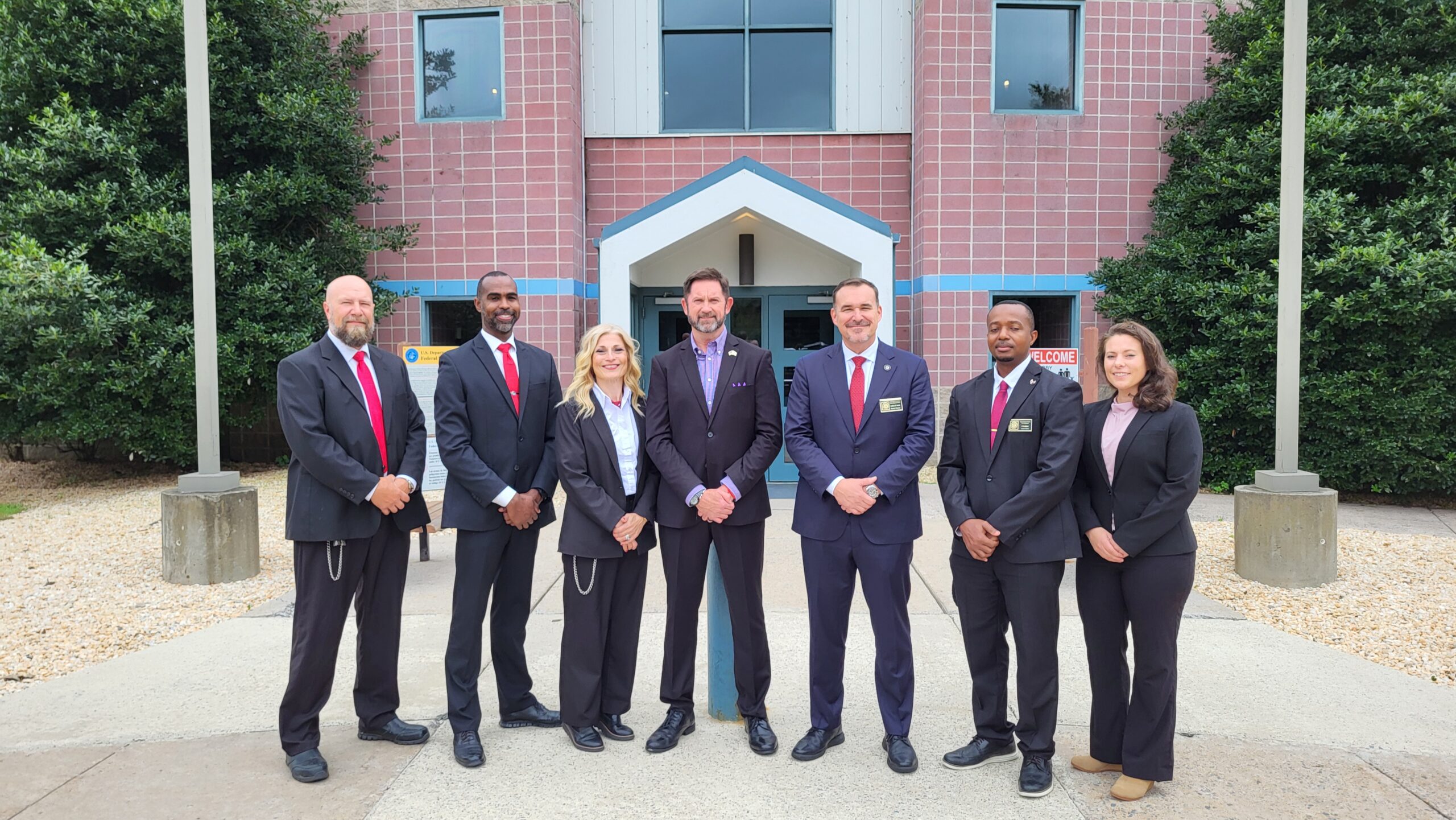
Nationwide site visits demonstrate the Bureau’s commitment to transparency, innovation and workforce development. | Photo Credit: Federal Bureau of Prisons
By Charlie Lange
Since his official appointment in April 2025, Federal Bureau of Prisons (BOP) Director William K. Marshall III has already presided over an eventful tenure. Marshall hit the ground running after taking office, embarking on a series of facility visits to immerse himself in the operations and needs of the 36,000 staff members and 156,000 federal inmates across the BOP’s 119 active facilities.
In July, the BOP was awarded $5 billion in funding from the One Big Beautiful Bill Act, with $3 billion set aside for staffing and training and $2 billion earmarked for critical infrastructure improvements. In August, Marshall announced major enhancements to the First Step Act and the Second Chance Act to promote community-based supervision models and get more incarcerated people out of facilities and reintegrated into society.
Progress came to a temporary halt with the federal shutdown in fall 2025, but once the government reopened in mid-November, Marshall picked right back up where he left off. The 25-year veteran of the West Virginia State Police and former Commissioner of the West Virginia Division of Corrections and Rehabilitation has enthusiastically continued meeting with facility operators and staff to ensure funding is allocated where it is most needed — and that roadblocks hindering essential projects are efficiently assessed and removed.
Correctional News met with Marshall to discuss his vision for the BOP, his efforts to bolster staff morale and wellbeing and the Bureau’s embrace of new technologies.
Funding for Infrastructure and Training
To best utilize the One Big Beautiful Bill Act funding, Marshall said that the BOP is working closely with the U.S. Department of Justice and the Office of Management and Budget to evaluate existing facilities and determine whether to upgrade infrastructure or invest in replacement facilities.
“We have construction and maintenance projects at every facility, but for some of those facilities that need a lot of attention financially, we’re in the process of seeing what we want to maintain and what we want to walk away from,” Marshall said.
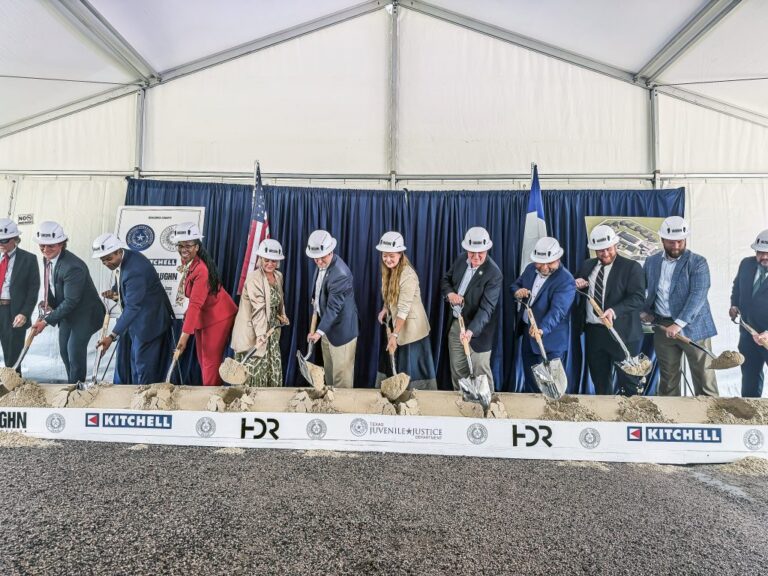
Marshall added that the Bureau is preparing to open a new $532 million replacement facility for the 126-year-old FCI Leavenworth in Kansas, which could serve as a model for how new facilities operate, adding that capacity issues persist throughout the BOP’s facilities and that determining the size, scope and location of new projects remains a challenge.
In addition to facilities and infrastructure, staff training — particularly new warden training — is essential.
“We have such high [employee] turnover in our facilities. People that leave the Bureau … don’t feel trained well enough; therefore, they don’t feel safe, and they don’t feel respected by their supervision,” Marshall said. “We can better train them to make them feel confident in what they’re doing and what’s expected.”
Marshall also points to warden training as an area to enhance, noting high turnover and the cycling of supervisors through different positions and facilities as a hindrance to providing effective supervisory training.
Connecting to Solve Common Problems
Marshall emphasizes the importance of networking and relationship-building within the industry, harkening back to his tenure leading the West Virginia Division of Corrections and Rehabilitation and participating with groups such as the Correctional Leaders Association (CLA).
“I think back to the CLA on the Hill event in Washington, D.C., in 2024. I walked into that room and realized I wasn’t in this by myself. Other commissioners throughout the country were in the same boat, and guess what their problems were: staffing, not enough money in the budget and drugs in their facilities. I thought, ’we’re all in this together,’” he said.
Under his direction, the BOP has already reestablished a partnership with CLA — opening up a valuable network for finding solutions to common problems. Marshall says being able to call other directors and bounce ideas off each other regarding mental health efforts, technology and operations is essential.
Presence is Paramount
With so much work to be done, it would be easy for Marshall to silo himself in his office and delegate responsibilities across the BOP — but that’s not the way he views effective leadership. Instead, he is clocking long hours and logging miles of travel across the country to get a clear understanding of the challenges present in BOP facilities — and getting vital facetime with the Bureau’s most important assets: its people.
“Being in the facilities, walking the hallways, talking with everybody — staff and occasionally inmates — and hearing what matters to them, what drives them crazy every day, and what they love about the job, that’s the only way that I can connect with them,” he said.
To learn more about Director Marshall’s efforts to prioritize staff wellness and advocate for resources, as well as how he will ultimately define success in his role, read the rest of the article from the 2026 Security Electronics and Detention Equipment edition of Correctional News.