





During National Correctional Officers and Employees Week, A Veteran Corrections Leader Looks Back on Decades of Service and Change
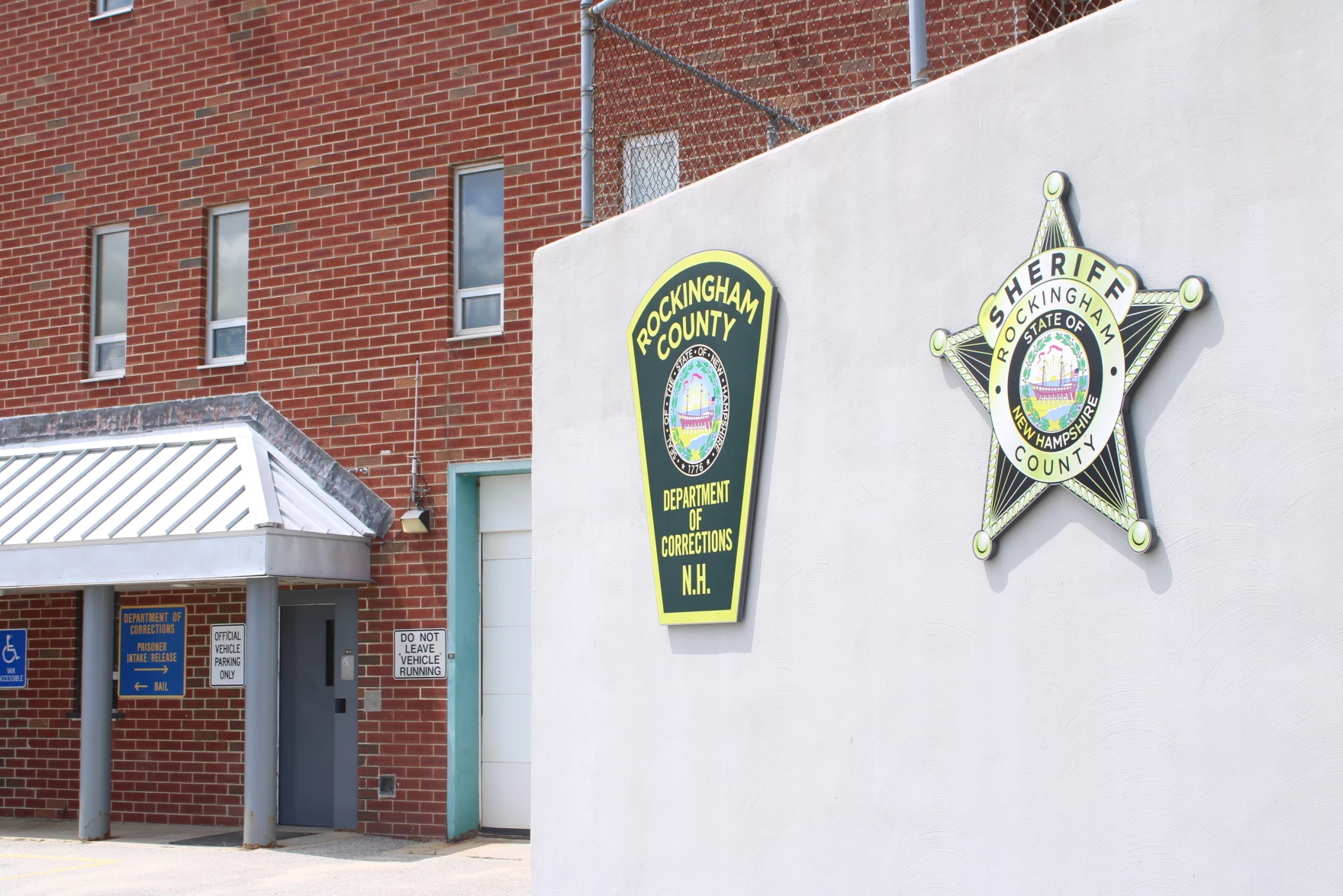
The Rockingham Department of Corrections in New Hampshire operates the Rockingham County Jail in the town of Brentwood. | Photo Credit: Lau Guzmán / NHPR
By Jon Banville
I wasn’t planning a career in corrections.
In my early twenties, I was working at a furniture store, making $11 an hour and trying to afford a place where my son could have a room of his own. I needed something steadier, something with more stability.
Through a connection, I learned that the Rockingham County Jail was hiring. My plan was simple: get my foot in the door, work hard for a year or two and then move on to road patrol or a police department. That was the path most people took, and it’s what I expected for myself.
About six months in, I realized I wasn’t going anywhere.
For the first time in my working life, I felt like I was doing something that mattered. I could see the impact of the work every day. That was 17 years ago. Today, I serve as Superintendent of that same jail, and during National Correctional Officers and Employees Week, I find myself reflecting on what this profession really requires — and why so many of us choose to stay.
Understanding the Stakes
I started in corrections at 23, thinking the job was about maintaining order, keeping track of keys, following procedures and making sure rules were enforced. And those things matter, but they’re only part of the picture.
Corrections officers wear many hats on any given shift. You’re a counselor, triage nurse and first responder. In fact, in New Hampshire, we’re trained and certified through the same police standards as law enforcement officers. The expectations are high, and the responsibility is real. Research shows correctional staff experience levels of stress and trauma similar to other first responders, even if the work looks different from the outside.
Our setting may be controlled, but it’s not low‑stakes. We work with high levels of mental illness, addiction, trauma and conflict. People don’t stop making bad decisions because they’re incarcerated. Our job is to recognize issues early, respond quickly and keep everyone safe — staff and those in our custody alike.
Leadership in this role means constantly reading people, assessing situations and adjusting in real time. What works with one person can escalate a situation with another. Success requires thinking quickly, staying steady and responding with intention, often with limited information in high-pressure moments.
Early on, I struggled with that. A more senior officer took the time to mentor me and taught me something I still apply every day: this job isn’t about having all the answers. It’s about understanding people. He showed me how to slow down, communicate more and pay closer attention to what’s happening around me.
So I did. I started stopping to talk to the person at the table, to people in our facility, asking questions and listening more than I spoke. Those small interactions helped me recognize situations before they escalated. Over time, that trust made the job safer for me and made the facility more secure as a whole.
That lesson stayed with me as I moved from officer to sergeant to lieutenant. The work became less about control and more about judgment — knowing when to step in, when to give space and how to communicate in a way that keeps situations from getting worse.
Consistency is Key
Consistency matters in this work, but not in the way people often think. It’s not about reacting the same way every time. It’s about showing up the same way every day: calm, steady and clear.
People in our custody pay attention. They notice when your tone changes, when expectations shift, when reactions feel unpredictable. That uncertainty can create tension. Consistency in how you carry yourself creates stability in an environment where stability isn’t guaranteed.
It’s important to remember that corrections isn’t about punishment. The judge decides that. Our role is to manage the environment, reduce risk and create conditions where people can make better decisions. Ultimately, that is how we protect the public.
Technology as a Tool
The job has also evolved more than people realize. When I started, we relied on handwritten logbooks — thick binders with times and names written in red ink and everything else in black. The most advanced tool on the unit was the control panel that opened doors.
Today, we use jail management systems, electronic monitoring and tablets. Like many officers early in their careers, I was skeptical. My instinct was to see technology like tablets as a privilege. Over time, I came to see them for what they are: a tool that helps us do the job better. Technology doesn’t replace the work. It supports it, giving staff more time to focus on what matters most: maintaining safety, building rapport and helping people make better decisions.
Driven by Purpose
I grew up in Rockingham County. I moved here at 13 and didn’t even realize there was a jail in my own county until high school. I think about that often now. This profession operates largely out of view, but its impact is felt every day in our communities.
Across the country, departments are working to recruit and retain people who are steady, thoughtful and committed to doing difficult work the right way. This isn’t a job for everyone. It requires patience, resilience and a strong sense of responsibility — because that’s what this job comes down to.
We’re responsible not just for safety inside our facilities, but for how people leave them. Families trust us, whether they realize it or not, to care for their loved ones while they’re in our custody.
Some individuals have done serious harm. Others are navigating difficult circumstances. Many have never had consistent support or structure. For officers like me, helping create that structure and seeing someone take a step in the right direction is what makes the work meaningful.
If you’ve never considered a career in corrections, it’s worth a second look. It’s challenging work. It’s often unseen. But done right, it protects the public, supports colleagues and gives people a real opportunity.
I came in looking for a steady job. I found a career that mattered. Seventeen years later, I’m still here, and it’s a profession I’m proud of.
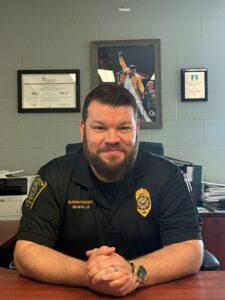
Jon Banville is the Superintendent of the Rockingham County Department of Corrections in New Hampshire, where he has spent more than 17 years advancing public safety, supporting staff and improving outcomes for individuals in custody.
This article was sponsored by Securus Technologies, an Aventiv Company. For more information, visit www.securustechnologies.com.