


Body-Worn Cameras in Correctional Facilities Are Expanding Evidence Collection and Operational Uses
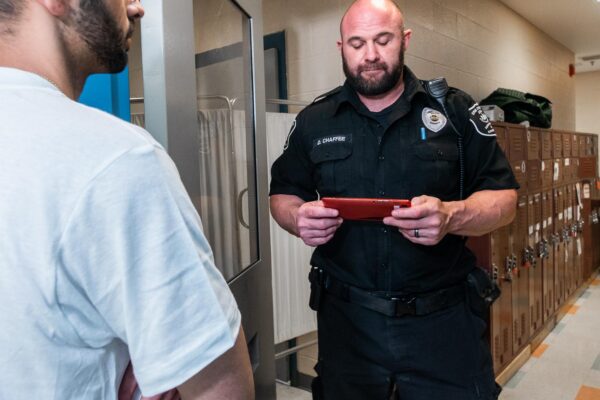
Body-worn cameras in correctional facilities are doing the critical work of collecting high-quality video and audio evidence — and much more.
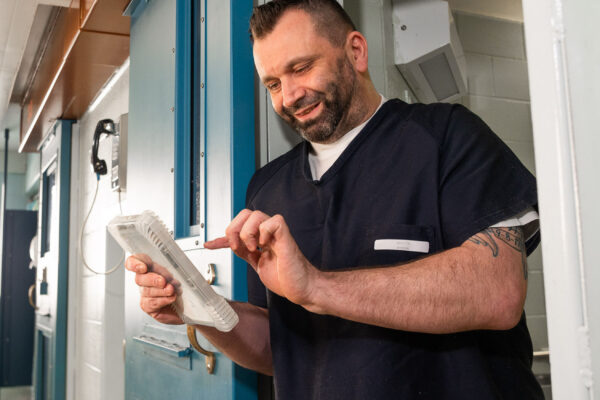
In recent years, correctional systems across the country have expanded the use of digital tablets to increase access to rehabilitative and educational programming, strengthen connections with the outside world, reduce idleness among incarcerated populations, and as a result, more agencies are recognizing the significant benefits this technology can provide.
I wasn’t planning a career in corrections.
KeyTrak Guardian Edge is a modular, wall-mounted electronic key control system that replaces manual key logs with automated tracking and accountability.
As operational costs continue to climb across public agencies, departmental administrators are constantly looking for ways to minimize budget expenditures and increase taxpayer savings.
Technology company Vant4ge has partnered with global professional services firm Guidehouse to deliver integrated, AI-enabled solutions for public sector agencies that oversee corrections, justice, health and human services, the companies announced April 7.
Axis body-worn solutions are a suite of wearable camera systems designed for professional security, public safety, healthcare, education, and commercial environments that require reliable evidence capture and situational awareness.
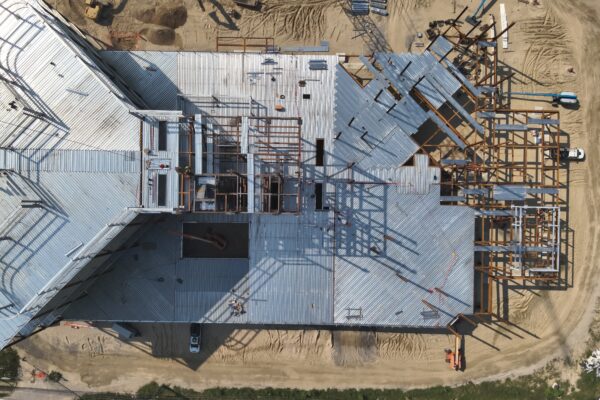
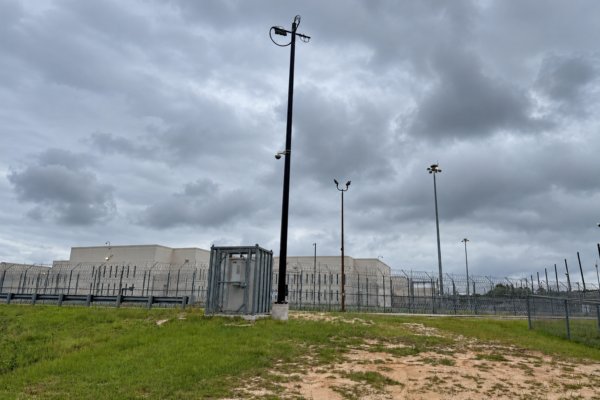
To provide the right solutions when it comes to security electronics, technology design and detention equipment selection, it is important to examine the built environment, staffing ratio and long-term staff numbers.
If you lead a jail today, you already understand the pressure.
Across the country, sheriffs, wardens and jail administrators are actively redefining what effective corrections looks like. Today’s leading facilities are prioritizing safety, accountability and preparation for reentry, recognizing that jails are not just places of custody, but critical environments for intervention, structure and long-term community impact.