






The Illusion of Control: Why Manual Key Logs Fail
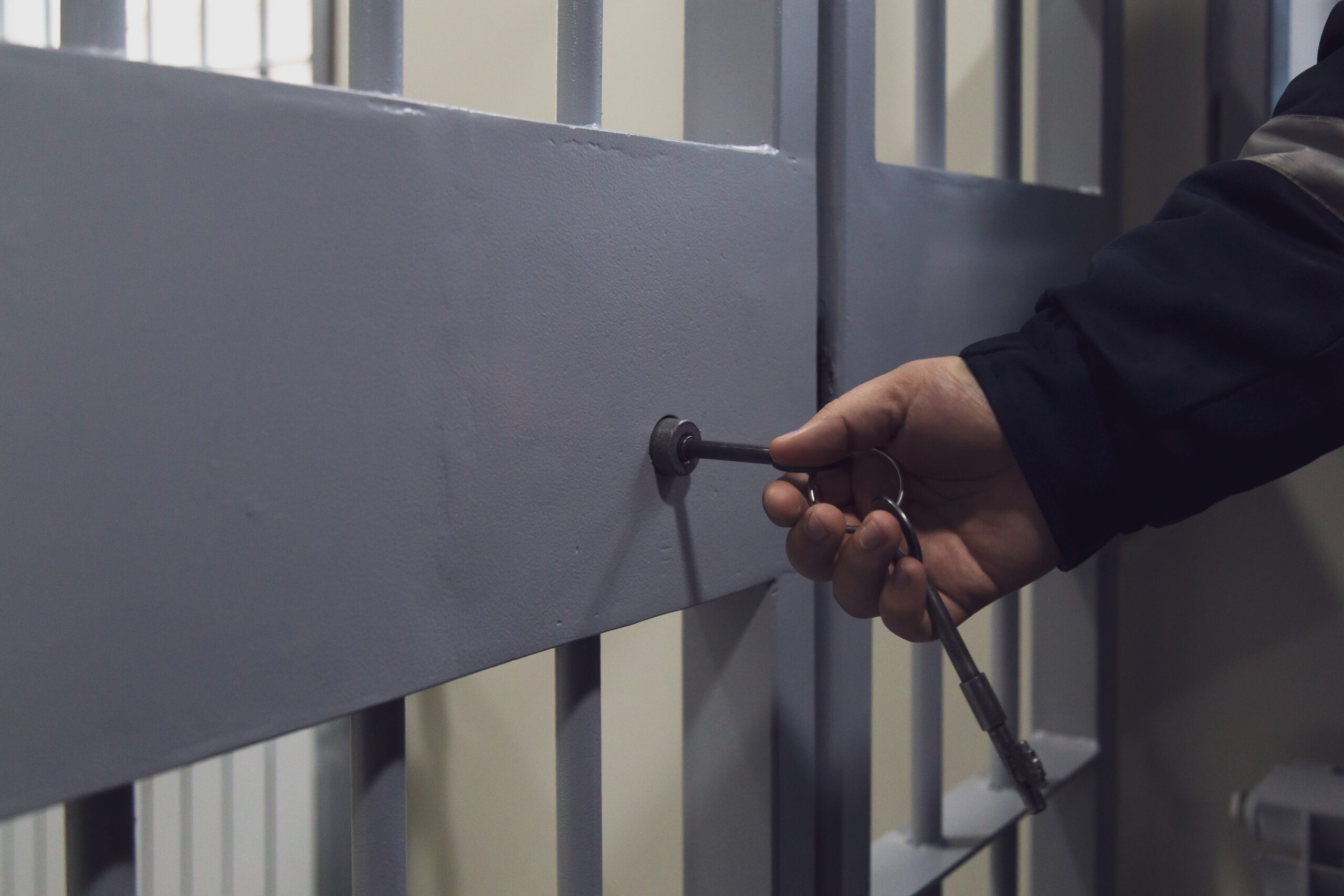
In correctional facilities, manual key control processes can be affected by human error, potentially leading to occupational hazards. Photo Credit (all): Courtesy of KeyTrak
By Derek Clark
To maintain order in correctional facilities, strict key control policies are essential. However, having policies is one thing and implementing them effectively is another. Correctional officers are constantly balancing responsibilities: monitoring inmate movements, responding to incidents and enforcing compliance requirements.
Each situation requires their full attention and the ability to quickly adapt. This environment places continuous cognitive demands on officers. Consistent, reliable security systems play a critical role in reducing operational strain.
Key control is one of the fundamental pillars of institutional security. In many facilities, staff still track keys through manual sign-in and sign-out logs. This approach appears to be straightforward and reliable. In practice, manual processes rely on officers’ memory and attention span. Research in cognitive and behavioral science suggests that memory and attention are limited resources, especially in a high-stress, heavy-workload environment. In correctional facilities, a manual process failure can easily become an occupational hazard.
Human Memory Wasn’t Designed for High-Security Environments
Correctional officers experience cognitive overload every day. Tasks compete for attention, while urgency spikes cortisol levels. Under these conditions:
- Attention is divided across competing priorities
- Short-term and long-term memory suffers
- Routine actions become inconsistent or incomplete
Cognitive science has established that humans rely on mental shortcuts, or heuristics, to make decisions quickly — especially under pressure or during routine tasks. However, shortcuts can lead to errors when assumptions replace verification.

For example, a staff member may believe they returned a key after a busy shift, or someone may complete a log entry without verifying the key return. Eventually, repeated discrepancies can turn into dangerous systemic gaps.
Research shows that cortisol levels elevated by stress impair memory function and reduce cognitive performance. In correctional environments, this effect intensifies.
The National Institute of Corrections reports that correctional officers experience some of the most intense workplace stressors in the country, leading to stress and trauma. Process failures don’t always indicate lack of discipline or professionalism. They’re predictable outcomes of operating under sustained cognitive overload.
The Illusion of Control in Manual Processes
Manual key tracking processes can create a psychological sense of security. The presence of a physical logbook and established procedures instill confidence that the facility is maintaining accountability for key use.
Yet this structure can also introduce what psychologist Ellen J. Langer describes as an “illusion of control” — the tendency for people to overestimate their influence over uncertain outcomes. For example, a completed logbook entry may feel like strong evidence of control, even when it doesn’t guarantee accuracy.
In fact, Rice University research found that people are more likely to forget whether they completed a mundane task they typically do multiple times a day, like locking a door or returning a key.
In correctional facilities, repetitive processes increase the likelihood of missed or misremembered steps. For instance, an officer might assume they updated a logbook that day because they remember signing it a couple of days ago. Using manual methods to track essential keys doesn’t provide the level of control it seems to.
Mitigating Key Control Risks With Automated Systems
In the chaos of a correctional facility, it can be difficult to immediately detect errors. A missing key or an unrecorded handoff may not be discovered until someone needs the key. Delays in identifying these gaps can have serious repercussions:
- Inability to verify key locations quickly
- Slower response times during incidents
- Increased risk of unauthorized key use
Adopting electronic key control solutions alleviates staff’s cognitive burden while improving key log accuracy and overall key security. Unlike handwritten logs and verbal confirmation, automated systems provide a verifiable audit trail of key activity. If someone forgets to return a key, the system sends an automatic reminder. Digitizing key control removes ambiguity and documents key activity as it’s happening — rather than after a key goes missing — freeing staff to focus on core responsibilities. When evaluating electronic key control systems, facility leaders should look for secure key panels with a built-in biometric fingerprint reader and motion-activated camera that logs all nearby activity.
Only authorized staff members will be able to check out each individual key using their unique fingerprint or other unique login method. Any time someone accesses a key, the system automatically records the transaction.
Manual processes that rely on memory and attention span aren’t a reliable security mechanism, especially in a high-stress environment. While correctional facilities can’t eliminate cognitive limitations, they can stop relying on them. Digitizing key control makes that possible.
Derek Clark is a regional manager for KeyTrak, Inc., where he works with law enforcement and correctional facilities to implement electronic key control systems that improve visibility, accountability and operational efficiency.