



Evaluating the SEC and DEC Market
By Charlie Lange
In addition to the perspectives provided in the SEC and DEC List and Trends Report, Correctional News posed questions to leaders on both the security electronics and detention equipment sides of the table to get further insights on the latest market shifts, project requests from owners and operators, and ongoing labor and supply challenges.
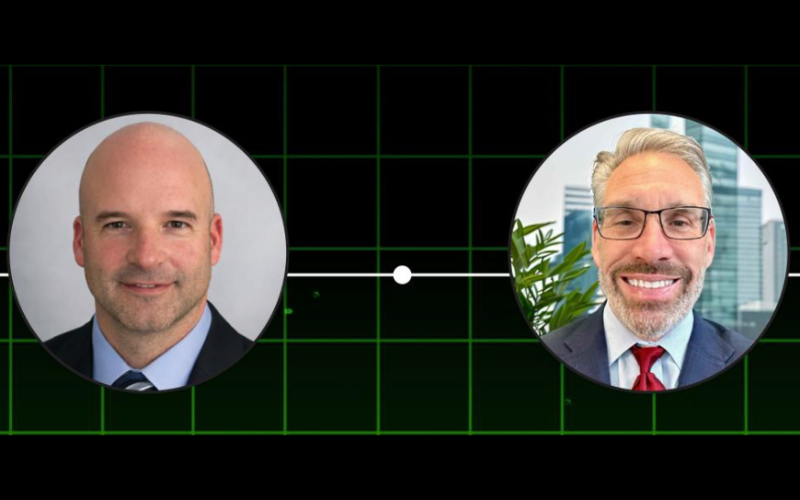
Representing the DEC side, Alan Birnbrauer is the President and Co-Founder of detention equipment contractor American Corrections Maintenance.
On the SEC side, Ed Pedersen is the Senior Vice President, Enterprises Sales, for Securitas Technology, where he leads a national team focused on partnering with state and county agencies, architects, engineers, and general contractors to deliver integrated security solutions designed for long-term operational resilience and lifecycle performance.
CN: Across jails, prisons, juvenile justice, courts and behavioral health, which project types are seeing growth in demand and which are stalling?
BIRNBRAUER: The DEC market has seen robust growth across all facilities, and demand remains healthy. In addition to the large new builds and rapid-response facilities, we have seen significant growth in modernizations to existing, aging facilities.
Large and regional DEC firms offer strengths in different contracting segments and offer more capabilities than just a few years ago. Through consolidation, teaming partnerships, and newly integrated companies, the industry has been able to respond to the strong demand.
The industry has also benefited from recent federal policy, and while the need for beds remains strong, we have experienced projects stalling due to political debate and community pushback. Our primary experience has been projects stalling for funding purposes. We are asked to provide pricing for various projects, and then the facility must get that funding approved. That process can take months, and in some instances over a year when we don’t have a response from the owner. If the funding is then approved, our pricing is no longer valid due to cost increases and schedule constraints — or the design has changed, and we must rebid the project.
Additionally, we work with older facilities to provide preventative maintenance, as facility owners are looking to extend the life of existing doors, frames, hardware and such. With budgetary concerns, facilities are looking for longevity.
PEDERSEN: From our perspective as a national integrator, we continue to see opportunities in corrections, but what our clients are asking for has shifted. The demand now is in modernization and infrastructure refresh projects. A lot of facilities that were built 15 to 25 years ago are running on aging security electronics, detention controls and network infrastructure that simply weren’t designed for today’s cybersecurity expectations, staffing challenges or reporting requirements. Counties and state agencies are prioritizing upgrades to control systems, video modernization, intercom replacements, network segmentation and general resiliency improvements. These projects are often easier to fund because they can help reduce operational risk and liability while keeping facilities up and running.
We’re also seeing increasing interest in behavioral health and special-management units. With mental health needs growing, agencies are looking for ways to create safer spaces, improve staff visibility and build more integrated response capabilities. Technology is being deployed not just for containment, but as a tool to support de-escalation, improve staff safety and drive better outcomes.
Court security is another area where there are opportunities. Modernizing security screening procedures, upgrading access control systems, and integrating these systems into broader public safety ecosystems are gaining interest — particularly in jurisdictions that want to reduce risk without limiting public access.
CN: How are the priorities of owners and operators evolving?
BIRNBRAUER: We are seeing rapid technological advancements in the construction industry, not just specific to the corrections market. Owners are more insistent on new technologies that still support safety and security as top priorities, while building upon important priorities of the past several years. Facility design to include rehabilitation services, normative environments, and integrated healthcare remain important environmental shifts in our industry.
For DEC and SEC companies, it represents a continued expansion of responsibilities and capabilities that extend outside of expectations only three to five years ago. We must be cognizant with larger construction trends, such as AI disruption, to be successful in our respective disciplines and to set new industry standards.
PEDERSEN: Three to five years ago, most conversations were straightforward: can the system meet the specification and do the job? That was the bar. Today, the discussion is far wider. Security leaders are thinking about resiliency, cybersecurity and how these systems will hold up over their full lifecycle.
Resiliency is front and center. Facilities want to know exactly what happens when things go sideways — during outages, partial failures or degraded conditions. They’re asking for defined failover paths, genuine redundancy and clear operational protocols for keeping the place running when systems are under stress. In a detention environment, downtime isn’t just inconvenient anymore; it carries real safety and liability implications.
Cybersecurity has become an assumed requirement. Agencies now expect hardened configurations, segmented networks, meaningful audit logs and secure remote‑support options. Security electronics aren’t treated as isolated platforms — they’ve become part of the broader mission‑critical IT infrastructure, and they’re evaluated the same way.
Workforce pressure is also reshaping requirements. Staffing shortages are hitting corrections everywhere, and it’s driving a push for solutions that streamline tasks, cut down on manual steps and give operators better situational awareness. There’s a strong preference for unified security-management platforms that bring video, access control, alarms and reporting into one operational picture.
System lifecycle expectations have taken on much more weight. Clients want clarity around parts availability, obsolescence management and service support over a 10- to 15-year span. They’re not looking for a one‑and‑done install — they’re looking for stability, predictability and a long-term partner they go to for customized advice.
To hear more perspectives on how supply-chain, labor and scheduling challenges are effecting the market, read the full roundtable article in the 2026 Security Electronics and Detention Equipment edition of Correctional News.
Subscribe to Correctional News to get more weekly features, news, people updates and product stories like this.