





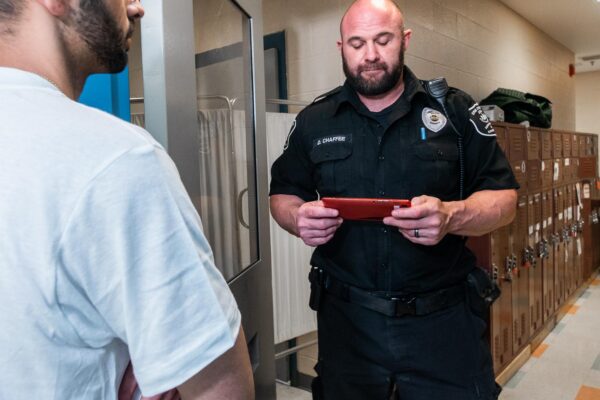
Modernizing Corrections Means Investing in the People Responsible for its Success
January 10, 2005, is a day that changed my career in corrections.

January 10, 2005, is a day that changed my career in corrections.

Aventiv Technologies announced that Brian Evans has been appointed as the company’s new CEO, and Kevin Elder has been named President, as the correctional technology company moves forward after an ownership transition and the creation of its Board of Directors.
Correctional leaders today are balancing a familiar challenge: delivering more services, supporting increasingly diverse populations, managing staffing pressures and improving outcomes while operating within finite resources.

The Federal Bureau of Prisons has awarded a new inmate tablet services contract that the agency says will expand access to communication, education and rehabilitative programming while helping modernize daily operations across its institutions.

Across the country, sheriffs, wardens and jail administrators are actively redefining what effective corrections looks like. Today’s leading facilities are prioritizing safety, accountability and preparation for reentry, recognizing that jails are not just places of custody, but critical environments for intervention, structure and long-term community impact.
Over the past year, as news on projects, people, products and other developments in the corrections field unfolded, Correctional News was there to cover not only what transpired, but what impacts those events could have the industry as a whole.

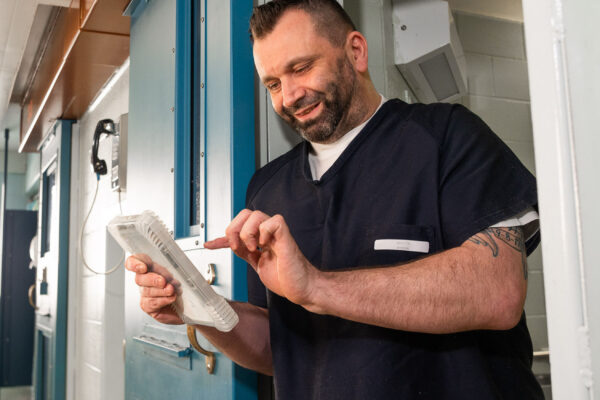
Secure tablets—already used in many facilities to support incarcerated individuals with education, communication and digital literacy—also deliver clear workplace benefits for correctional staff.

Each May, National Correctional Officer Week offers an important moment to pause and thank the dedicated professionals who protect our communities from behind the walls of correctional facilities.
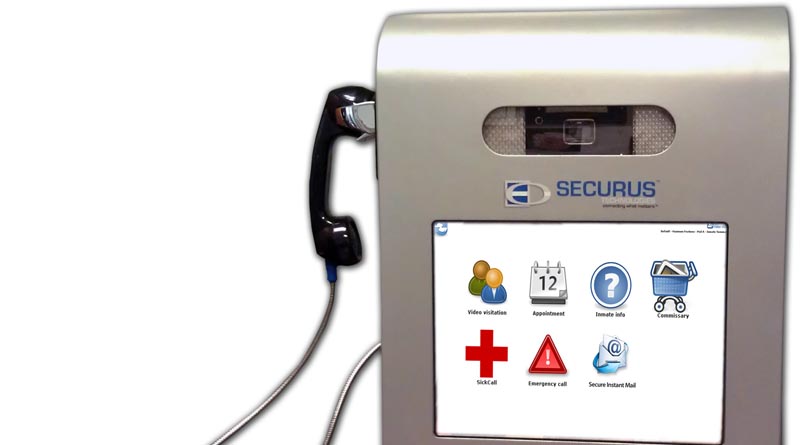
The COVID-19 pandemic has forced many correctional agencies across the country to make the difficult but medically necessary decision to limit individuals entering facilities, including temporarily suspending in-person visitation.
Gathering intelligence for investigations challenges law enforcement across the country, often due to budget constraints.