



5 Lessons Learned in My First Year as Deputy Director
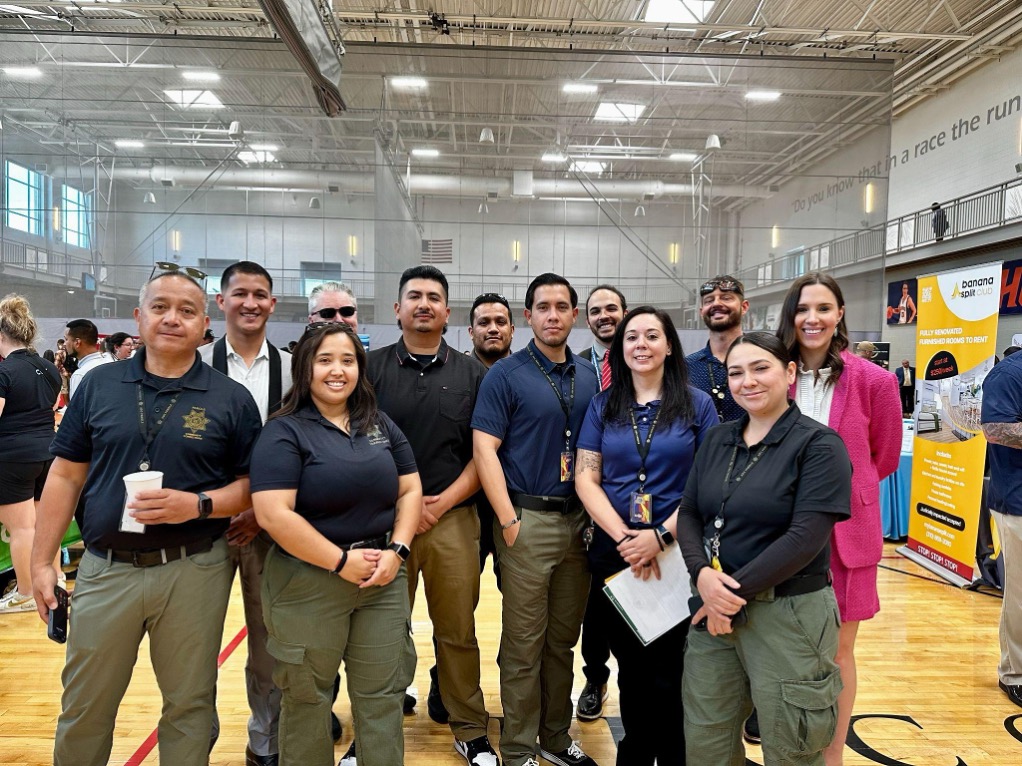
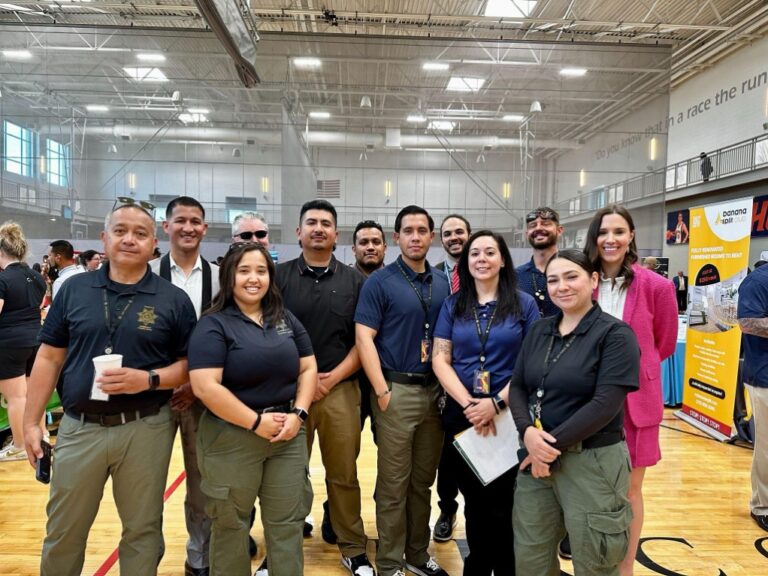
Since taking office as Deputy Director of the Arizona Department of Corrections, Rehabilitation and Reentry, Oddo (far right) has prioritized opportunities to engage with staff, such as these members of ADCRR’s community reentry team. | Photo Credit: ADCRR
By Ashley Oddo
When I stepped into the role of Deputy Director for the Arizona Department of Corrections, Rehabilitation & Reentry (ADCRR) in October 2024, I understood that the position came with immense responsibility. What I didn’t fully grasp was how much this first year would shape how I think about leadership, people and purpose.
Corrections is one of the toughest environments in public service. Our staff work under constant pressure where decisions carry serious consequences for safety, rehabilitation and public trust. Balancing those demands requires more than technical skill, it calls for a deep understanding of people and systems.
As I look back on my first year, five important lessons stand out.
1. Leadership Requires Presence and Humility, Not Just Position
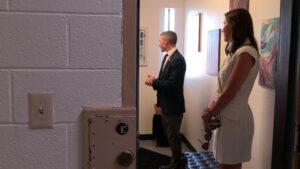
At a leadership conference earlier this year, we played an “icebreaker” exercise to see who had been with the department the longest and shortest. Despite being “second in command,” I was the newest person in the room. I found myself standing face-to-face with a warden with decades of service as we offered each other words of wisdom. Her advice to me: humility.
That moment has stayed with me. Titles may open doors, but presence earns trust. I learned quickly that decisions made from an office in Phoenix only go so far. To understand the pulse of the department, I needed to be present in the units, on the yards, in our parole offices and engaging meaningfully with staff. Those unfiltered and honest conversations have shaped how I lead.
Showing up consistently has built credibility. It has also invited the kind of honest feedback that rarely travels up the chain unless you make the effort to listen for it.
2. Data-Driven Decisions Earn Respect
Corrections relies on evidence, but data only matters if we know how to use it. In my first year, I’ve seen how reliable data builds trust both inside and outside of the department.
Internally, data has helped us identify trends, allocate resources, strengthen safety and improve programs. Externally, it demonstrates transparency and accountability to lawmakers, stakeholders and the public. Data on turnover and incidents has guided our retention efforts. Reentry data has improved our release processes and strengthened community partnerships.
Accurate information allows for smarter and fairer decisions, and I’m fairly confident that we produce more public-facing data than any other correctional system. That transparency is something I am proud of.
3. Security and Rehabilitation are Not at Odds
One of the most important shifts happening in Arizona is the recognition that security and rehabilitation work best together. Safety is our foundation, but meaningful programs and initiatives strengthen safety, rather than compete with it.
Facilities where individuals have access to meaningful work, education and programming are calmer and safer. Staff in those environments face fewer incidents and report greater job satisfaction. Rehabilitation reduces future victimization and supports our mission to protect the public.
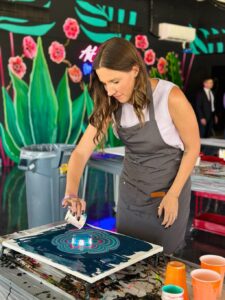
In the past year-and-a-half, we opened two therapeutic art studios (Art Of Our Soul) — one at our highest custody women’s unit and one at our men’s mental health inpatient unit. Since opening, we’ve seen decreases in self-harm, disciplinary violations and mental health watches. The impact on safety, inside and outside our facilities, is significant.
For me, this year has reinforced that a balanced correctional philosophy, one that values both custody and care, is not just idealistic — it’s practical, sustainable and necessary.
4. Communication is Your Most Powerful Tool
In a department as large as ADCRR, communication can either unite or divide. What’s said in one meeting can echo differently across 15 complexes and more than 40 units, often in ways we don’t expect.
This year taught me that clarity and transparency are essential. Whether it’s communicating policy changes, addressing challenges or sharing successes, how we communicate sets the tone for the entire department.
At a recent conference, I led a game of telephone with an intentionally complicated message. Watching the message change as it moved through the room was a perfect illustration of how easily information can warp. It was a lighthearted moment that made a serious point: communication requires intention and discipline.
Good communication bridges the distance between our central office and facilities, between leadership and line staff, and between the department and the public we serve. It reminds us that we are one team with one mission.
5. A Willingness to Take Risks Drives Change
Last but not least, I’ve learned that a willingness to take risks is what actually drives change. I was recently told that only seasoned correctional professionals who are nearing retirement are willing to take real risks. I’m proud to be an exception.
This year, we’ve taken on initiatives that historically haven’t gained traction in Arizona — charting a path forward to using trained peer-support for mental health watch, rethinking and modernizing statewide practices, increasing our use of technology, and pushing ourselves to be more transparent publicly. None of these came without risk, but all were worth it.
But perhaps my greatest risk was stepping into the role of deputy director as “just a lawyer” with no corrections experience. But with great risk comes great reward, and this leap has turned into the most meaningful work of my career.
Looking Ahead
My first year as deputy director has been humbling, demanding and deeply rewarding. Much of the work of corrections is unseen, but its impact on Arizona’s safety and future is immense. Every day, I am inspired by the professionalism and dedication of ADCRR staff who show up for one of the toughest jobs in public service.
The lessons I’ve learned — showing up, using data wisely, balancing security with rehabilitation, communicating clearly, and being willing to take risks — will guide me into year two and beyond.
Corrections isn’t just about managing facilities. It’s about shaping futures, strengthening trust and making our state safer. As challenging as this year has been, it has been equally rewarding. There’s no place I’d rather be.
Ashley Oddo is the Deputy Director of the Arizona Department of Corrections, Rehabilitation and Reentry, and a valued member of Correctional News’ Editorial Advisory Board.