





Congress Passes Safer Skies Act to Combat Drone Threats
By Charlie Lange
WASHINGTON, D.C. – On Dec. 17, the U.S. Congress officially approved the inclusion of the Safer Skies Act in the 2026 National Defense Authorization Act (NDAA).
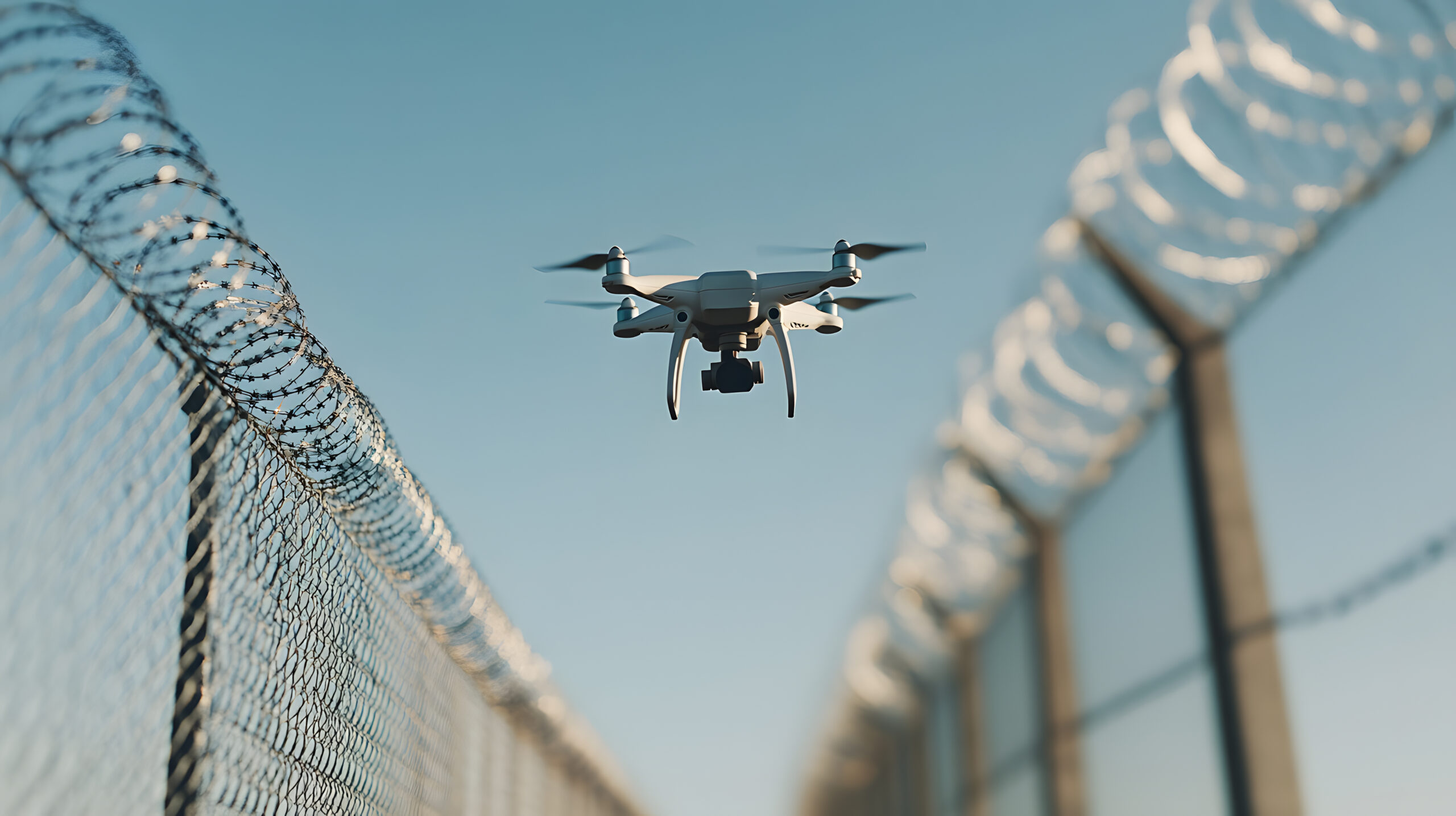
The provision authorizes state, local, tribal and territorial (SLTT) law enforcement and correctional officers, in coordination with federal agencies, to address the threat of unauthorized drones in correctional facilities, as well as sporting events, public spaces, military installations and other critical infrastructure. The bill includes federal funding for technology and training to detect and track drones, identify operators, and disrupt or disable them if a credible threat is determined.
“Unauthorized drones pose an increasing threat to public safety, yet federal law has hindered states’ ability to take action,” stated Oklahoma Gov. Kevin Stitt and Maryland Gov. Wes Moore, Chair and Nice Chair of the National Governors Association, respectively.
“With upcoming events like the World Cup, America’s 250th anniversary celebrations and more, securing American airspace is urgent. We applaud Congress for recognizing the need for states and territories to have greater authority to protect our people and our infrastructure from drone threats. The Safer Skies Act promotes the federal-state coordination we need to effectively address vulnerabilities,” the governors’ statement continued.
In September, more than 30 state governors wrote to House and Senate leaders expressing concern about the threat unmanned aircraft systems could pose to infrastructure and public safety. Also, in early December, a group of law enforcement and corrections agencies and associations, including the American Correctional Association, Correctional Leaders Association, National Sheriffs’ Association and others, wrote a letter to those same leaders calling specifically for counter-UAS language to be included in the NDAA.
“Drones are increasingly used for criminal purposes — from smuggling contraband into correctional facilities to interfering with emergency response aircraft — yet agencies lack the legal tools to act … We respectfully urge Congress to establish a comprehensive counter-UAS framework that empowers trained state and local personnel to safely detect, track and mitigate unlawful drone activity,” the letter read.
Now, with this week’s approval from Congress, the NDAA, with the Safer Skies Act included, will head to President Trump’s desk to be signed into law.
“This important legislation will empower correctional systems across the country to utilize advanced technology to detect, prevent and mitigate the threats posed by drones,” said Rob Jeffreys, Nebraska Department of Corrections Director and Correctional Leaders Association President, said in a statement after this week’s passage.
“Key leaders from among our members, associates, and partners played a significant role in advocating for and securing the passage of this Act. Your dedicated efforts have directly contributed to enhancing safety for our staff, the public and the facilities we operate.”