



Corrections to Community: How the New Freedom Project Bridges the Gap

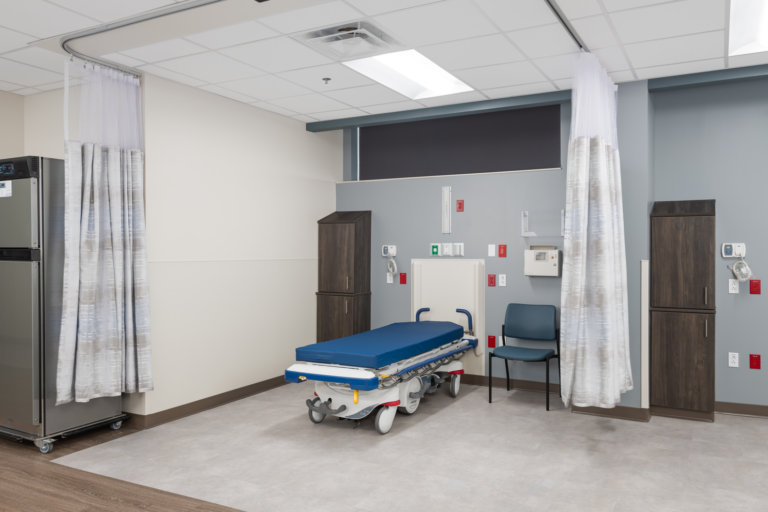
The Deer Valley campus, newly renovated and opened in November, can serve 150 female members. | Photo Credit: (all) Courtesy of New Freedom Project
By Meghan Murphy
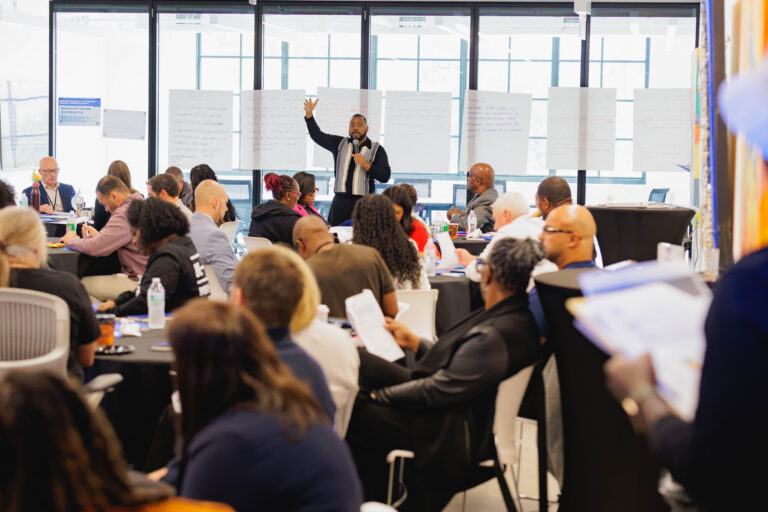
The New Freedom Project, a Phoenix-based program that has supported more than 4,000 participants since 2023, approaches reentry not as a checklist of compliance requirements, but as a deeply human journey. Founded by justice-impacted leaders, this peer-driven model embraces a powerful guiding principle: The most effective support comes from those who’ve walked the same path. Born from the vision of the founders, New Freedom sought not only to fill a gap in services, but to completely transform post-incarceration support.
At its core, New Freedom is about systemic change: building generational resilience by investing in individuals navigating the reentry process. Since its inception, New Freedom has served thousands of Arizonans returning from prison, with outcomes that far exceed national benchmarks.
The Need
The urgency is undeniable: More than 82% of inmates require substance use treatment, while 19% need ongoing mental health care. Yet most leave incarceration without treatment, coping strategies or a support system. This untreated trauma and addiction contribute directly to high recidivism rates.
New Freedom addresses this crisis by offering a comprehensive, voluntary 90-day program that integrates behavioral health, vocational training, peer mentoring, case management and housing all under one roof.
Curriculum, Mission and Approach
New Freedom’s curriculum blends accountability, personal growth, and trauma-informed recovery, designed to help members rebuild stable and fulfilling lives.
At the heart of the program is recognition of Post-Incarceration Syndrome — a cluster of symptoms resulting from prolonged incarceration in punitive environments. Symptoms often include institutionalized personality traits, reactive substance use, PTSD and antisocial coping mechanisms.
To counter these challenges, the program combines a therapeutic community model with supported housing, cognitive-behavioral strategies and trauma-informed care. Programs are gender-responsive, emphasize healthy relationships and use interactive journaling to reinforce positive behavior and real-world skills. This holistic approach ensures members don’t just “stay out” of prison — they thrive in community life.
Facilities and Vocational Pathways
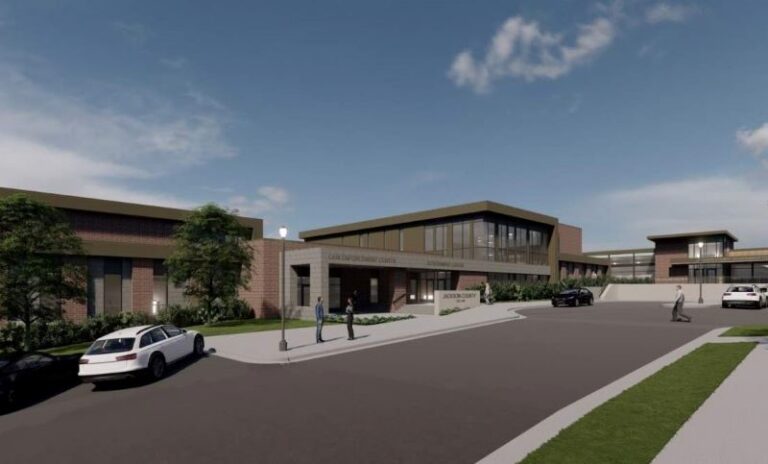
The program’s Peoria campus, once a 248-room hotel, has been transformed into a state-of-the-art, Joint Commission-accredited facility to serve 380 male members. The Deer Valley campus, newly renovated and opened in November, can serve 150 female members. In both facilities, members have access to clinical spaces, classrooms, vocational training labs, a full-service kitchen, wellness areas, outdoor community space and housing.
Vocational training integrates industry professionals with behavioral health teams, offering pathways in trades such as CDL licensing, flooring, painting, HVAC, welding, electrical and framing. Graduation requires both stable employment and housing, ensuring participants leave prepared for long-term success.
Program Impact and Outcomes

- 7.5% recidivism rate among graduates (vs. 60% national average return rate)
- 7,800+ intakes in five years
- 8,000 inmates mentored inside Arizona state prisons
- 99% housing and employment at graduation
- $200M+ statewide annual economic impact
- 91% employment and 46.3% wage increase 2 (two) years postgraduation
Beyond the numbers, human stories give life to the impact. For Elijah, a recent graduate, the program taught him valuable, life-changing lessons.
“The most significant of all was realizing that I’m not alone in dealing with hard situations like addiction,” he said. “There are people who share the same struggles and express—that New Freedom is not just a program, but a community that restores dignity, connection and hope.
Meghan Murphy is the Executive Director of the New Freedom Project.
To learn more about the New Freedom Project’s partnerships with corrections departments, as well as the economic impacts of the program, read the entire feature article in the September/October Maintenance & Operations edition of Correctional News.