




From Access to Progress: How Purpose-Built Technology Supports Education and Rehabilitation in Corrections
A correctional agency can deploy thousands of tablets and still lack a measurable rehabilitation strategy.

A correctional agency can deploy thousands of tablets and still lack a measurable rehabilitation strategy.
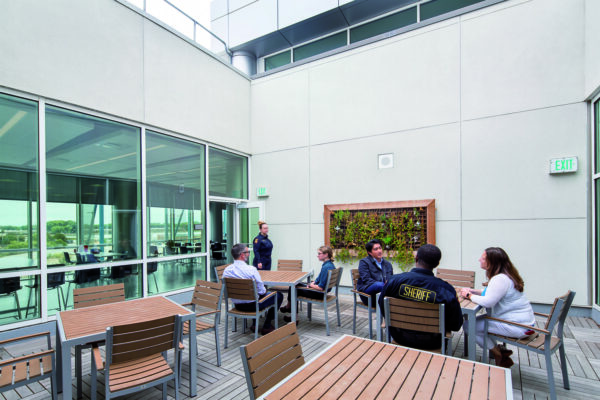
For decades, correctional design has evolved beyond simply containing incarcerated populations.
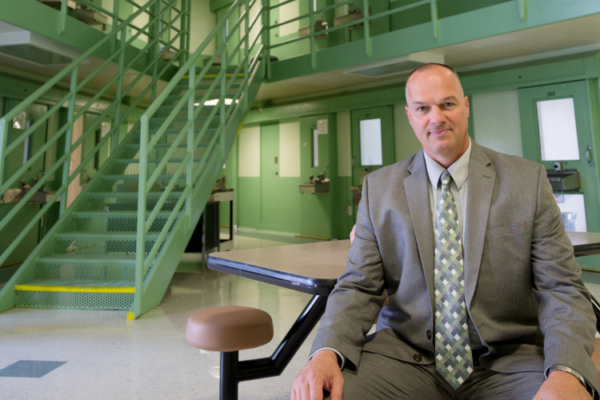
Maine Department of Corrections (MDOC) Commissioner Randall Liberty’s connection to corrections began decades before he ever expected to lead the state’s system.
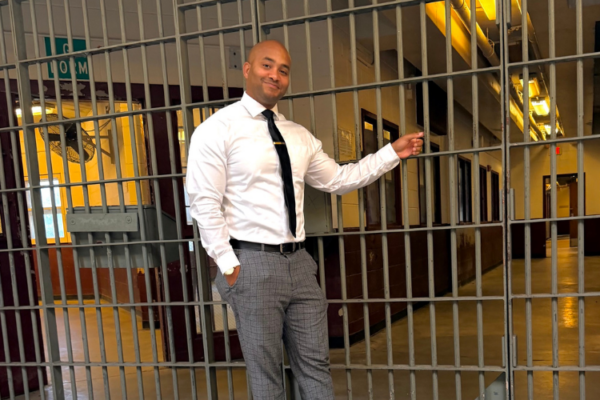
Typically, when correctional facilities reach the end of their useful lifecycle, or are rendered obsolete by modern replacement facilities, the buildings are demolished and their sites are redeveloped for new purposes.

The importance of rehabilitation and reentry efforts to improve the outcomes and quality of life for formerly incarcerated individuals is well understood across the justice spectrum.

On March 5, leaders in Milwaukee County, Wis., held an open house at a new secure residential care center intended to shift juvenile custody toward treatment and rehabilitation while keeping incarcerated youths closer to home.

Correctional News has launched a new docuseries, “Corrections Connections,” aimed at highlighting program models and operational approaches shaping progress in the corrections field.

California Gov. Gavin Newsom and other state officials convened on Feb. 20 to open the new Learning Center at the San Quentin Rehabilitation Center, framing the facility as a cornerstone of the state’s push to prioritize education, rehabilitation and successful reentry for incarcerated residents.

The Deer Valley campus, newly renovated and opened in November, can serve 150 female members. | Photo Credit: (all) Courtesy of New Freedom Project By Meghan Murphy The New Freedom…
The Vermont Department of Corrections (DOC) and Working Fields on April 11 announced a partnership to provide vocational services, coaching, and support to individuals reentering their communities.