



Pell Grants Available for Workforce Training at South Dakota State Penitentiary
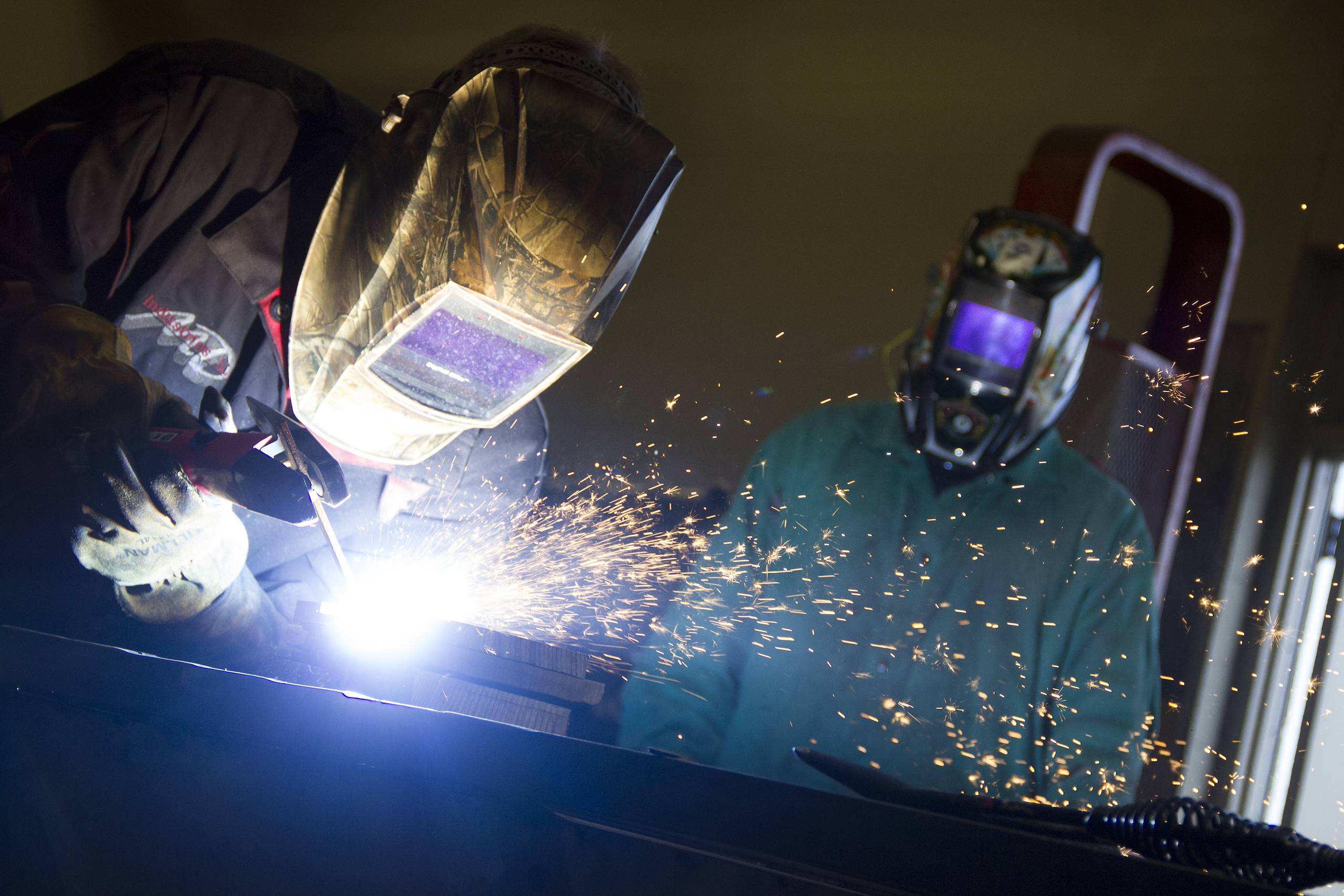
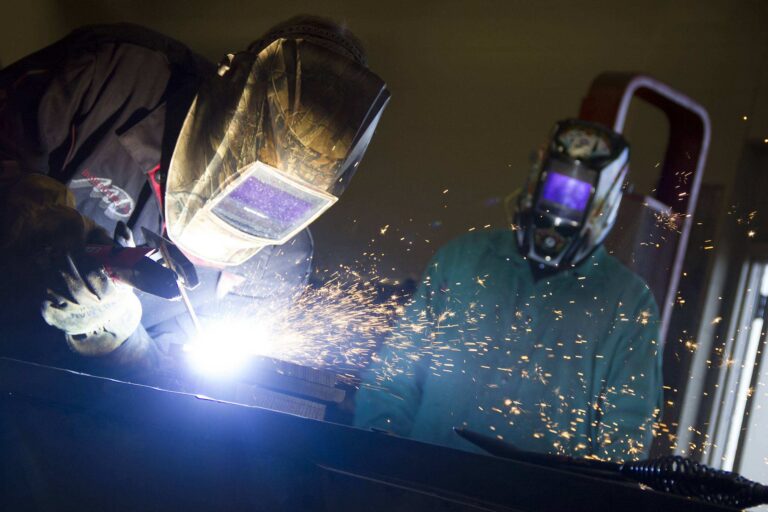
Incarcerated individuals at the South Dakota State Penitentiary in Sioux Falls will now be eligible to apply for Pell Grants to fund welding and diesel mechanic training courses provided by Southeast Technical College. | Photo Credit: Southeast Technical College
By Charlie Lange
With budgets and bottom lines often dictating programming capabilities, correctional departments across the country are leveraging grant opportunities to expand workforce development and job readiness programs, improve reentry outcomes and reduce recidivism.
In South Dakota, individuals incarcerated at the South Dakota State Penitentiary in Sioux Falls will now be able to apply for federally funded Pell Grants to participate in welding and diesel mechanic training courses, according to reporting from South Dakota Searchlight.
Available through the Second Chance Pell Grants program, the funding will support training provided by Southeast Technical College in Sioux Falls. The welding program has been available to eligible inmates on Southeast Tech’s campus for the past five years, and a diesel mechanic program will soon be offered on the grounds of the Sioux Falls facility.
Cory Clasemann, President of Southeast Technical College, told Correctional News that welding and diesel mechanic training can help individuals secure employment in fields with growing demand across the state. Beyond hands-on training, the courses provide students with practical skills and industry-recognized credentials that can translate directly into employment opportunities.
“Our goal with these programs is to make sure students are leaving with more than simply having completed a class,” said Clasemann. “We want them to leave with practical skills and a recognized credential that employers value and that can translate directly into a career.”
Clasemann said sustainable, traditional financial aid options for such training have not always been available to incarcerated students. Grant funding previously provided for the welding program by the South Dakota Department of Labor and Regulation (DLR) recently came to an end. Without the newly approved Pell Grant funding, Clasemann said continuing and expanding these offerings would have been a challenge.
Eligible incarcerated students can now complete the Free Application for Federal Student Aid (FAFSA) and access federal Pell Grant assistance to help pay for an approved education program, much like any other eligible Southeast Tech student. Clasemann said the school is also working to identify additional funding for students who are not Pell-eligible through the South Dakota DLR and other industry partnerships.
“Financial circumstances shouldn’t determine whether someone can use their time in prison to develop the skills necessary to become productive and self-sufficient after release,” said Clasemann. “Pell funding gives us another tool to make that opportunity available to more people while building programs that can be sustained over time.”
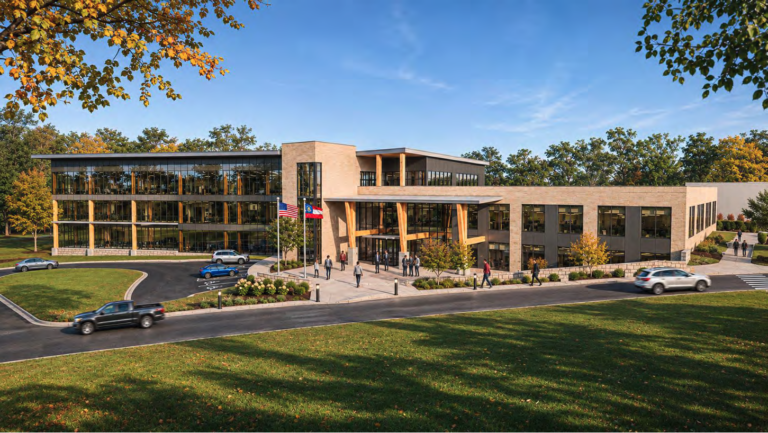
The first Pell Grant-funded welding class will begin in January. Looking ahead, Southeast Tech also plans to open a satellite campus on the grounds of the new $650 million men’s prison currently under construction in Sioux Falls, according to South Dakota Searchlight.
Clasemann serves on South Dakota’s Correctional Rehabilitation Task Force, which Gov. Larry Rhoden established when announcing the approval of the Sioux Falls prison project in September 2025. Clasemann said expanding these training opportunities benefits not only incarcerated individuals, but also local businesses and the broader community.
“The larger goal is to create a pathway that continues beyond incarceration. When they are ready to look for work, we connect them with the same kinds of career services and employer relationships we provide our other students. Education becomes part of the bridge between incarceration and a stable career,” said Clasemann.
“Ultimately, this is about both workforce development and public safety. If someone leaves incarceration with a credential, employable skills and a realistic pathway to a good job, we have improved that individual’s chance of succeeding while also strengthening our workforce and our communities.”