





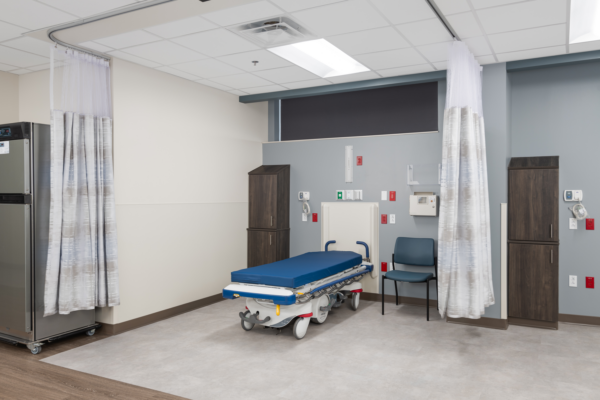
Designing for Healing in Correctional Environments
Historically, correctional facilities were cold, institutional and not places that promoted healing.

Historically, correctional facilities were cold, institutional and not places that promoted healing.
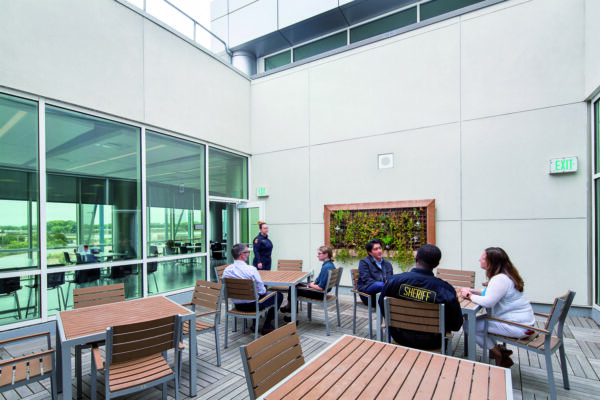
For decades, correctional design has evolved beyond simply containing incarcerated populations.

For decades, justice facility planning centered on security, operational efficiency and durability.
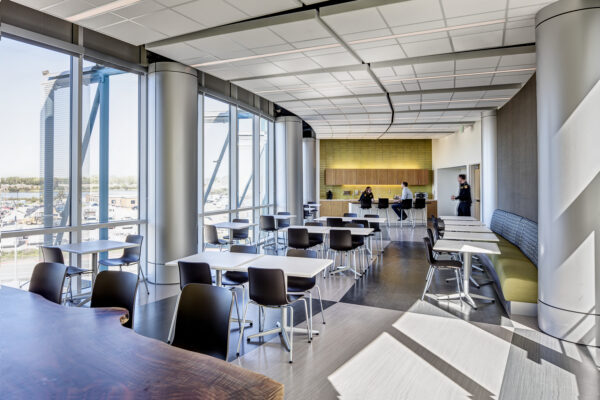
Designing correctional facilities as public health infrastructure requires more than improving conditions inside housing units.
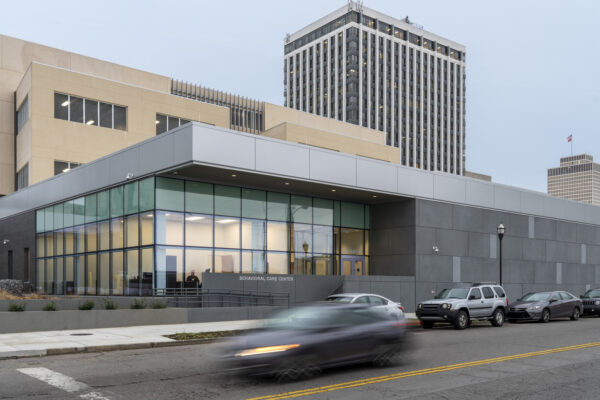
For much of the 20th century, correctional facilities were designed as instruments of containment — hardened, inward-facing environments optimized for control, efficiency and separation from civic life.
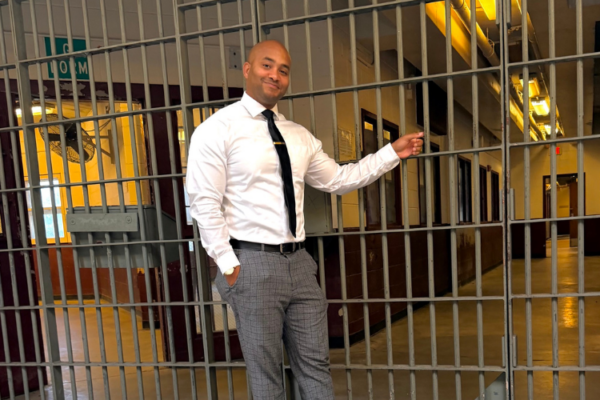
Typically, when correctional facilities reach the end of their useful lifecycle, or are rendered obsolete by modern replacement facilities, the buildings are demolished and their sites are redeveloped for new purposes.
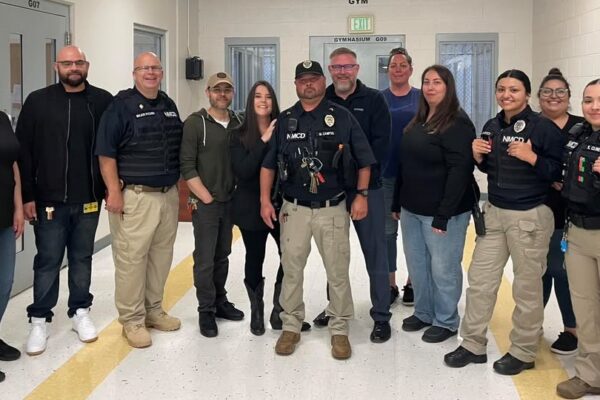
When I became Cabinet Secretary of the New Mexico Corrections Department (NMCD) in 2019, I had already spent nearly two decades with the department, serving as a caseworker, probation and parole officer, unit manager, deputy warden and warden.
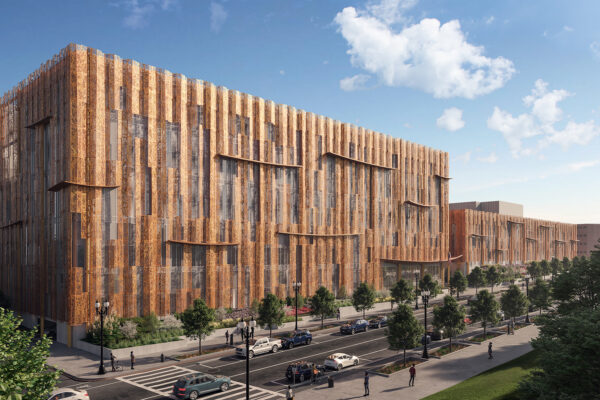
The D.C. Department of General Services, acting on behalf of the D.C. Department of Corrections, has launched an industry outreach process for the proposed D.C. Correctional Treatment Facility Annex project, a major capital program intended to replace aging detention infrastructure with a new, treatment- and reentry-focused complex.

In recent years, correctional systems across the country have expanded the use of digital tablets to increase access to rehabilitative and educational programming, strengthen connections with the outside world, reduce idleness among incarcerated populations, and as a result, more agencies are recognizing the significant benefits this technology can provide.

The importance of rehabilitation and reentry efforts to improve the outcomes and quality of life for formerly incarcerated individuals is well understood across the justice spectrum.