



Designing for Healing in Correctional Environments
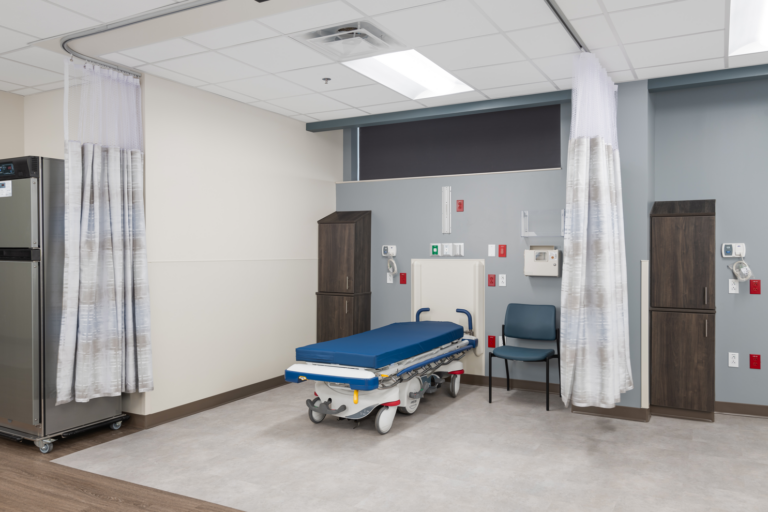
Historically, correctional facilities were cold, institutional and not places that promoted healing.

Historically, correctional facilities were cold, institutional and not places that promoted healing.
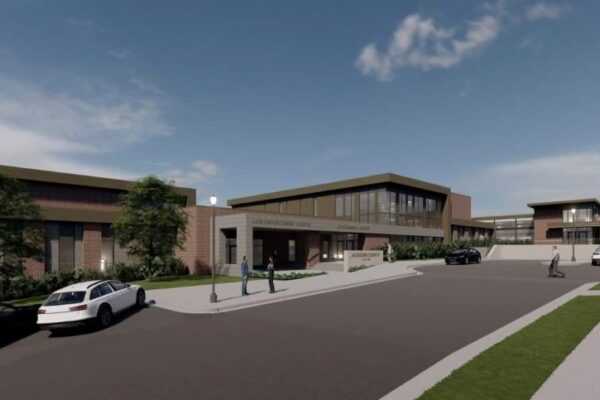
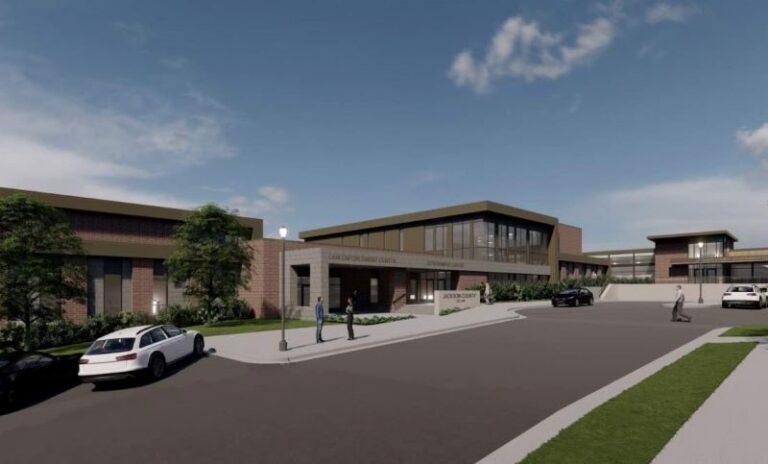
A 24-bed jail will replace Jackson County, Minn.’s aging detention facility following an Oct. 6 opening of a new law enforcement and government facility beside the county courthouse.
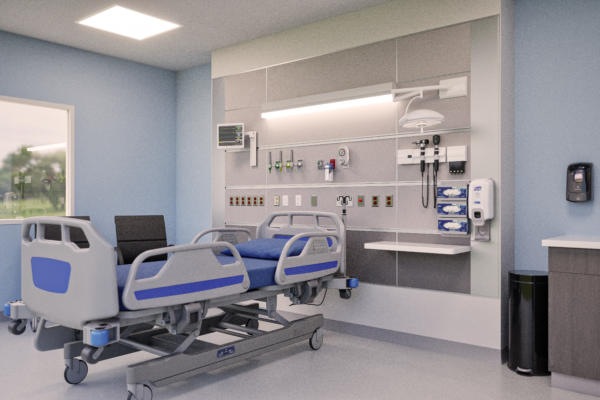
A pressing question for correctional agencies is how to deliver environments that accommodate changing clinical needs while remaining practical to build, maintain and operate over the long term.

The Texas Juvenile Justice Department broke ground Oct. 7 on a new secure juvenile correctional facility in Ellis County — the second of two new facilities designed to modernize the state’s juvenile justice infrastructure, better accommodate the needs of incarcerated youth and improve staff safety and operational efficiency.
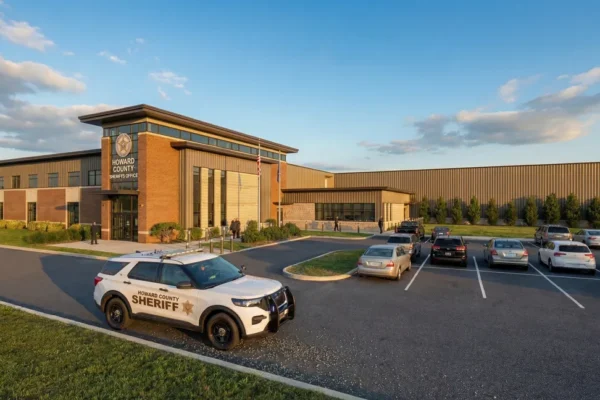
Officials in Howard County, Ind., held a groundbreaking ceremony on Oct. 1 for a $132 million replacement jail and sheriff’s office

On Oct. 1, officials with the Texas Juvenile Justice Department (TJJD) held a groundbreaking ceremony for a new juvenile correctional facility in Brazoria County.
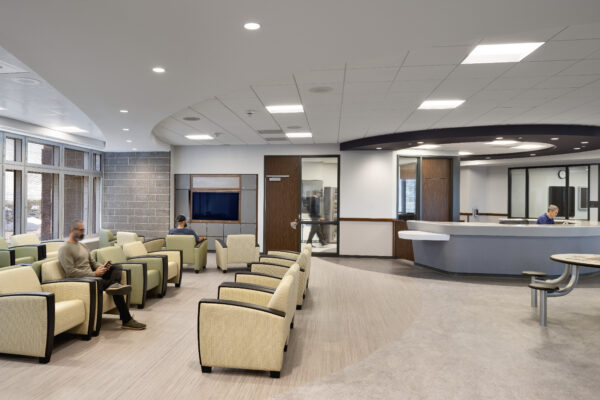
For decades, justice facility planning centered on security, operational efficiency and durability.

HDR has named Dr. Samantha “Sam” Morin the firm’s Senior Clinical Planner, Correctional Health.

Just as prison and jail populations seemed to be on the decline, many jurisdictions are experiencing an uptick in the average daily population.

Architect Peter Krasnow’s influential book “Correctional Facility Design and Detailing” celebrates its 20th anniversary.