






Oklahoma DOC Teams Up with Oklahoma Monarch Society on Pollinators Project
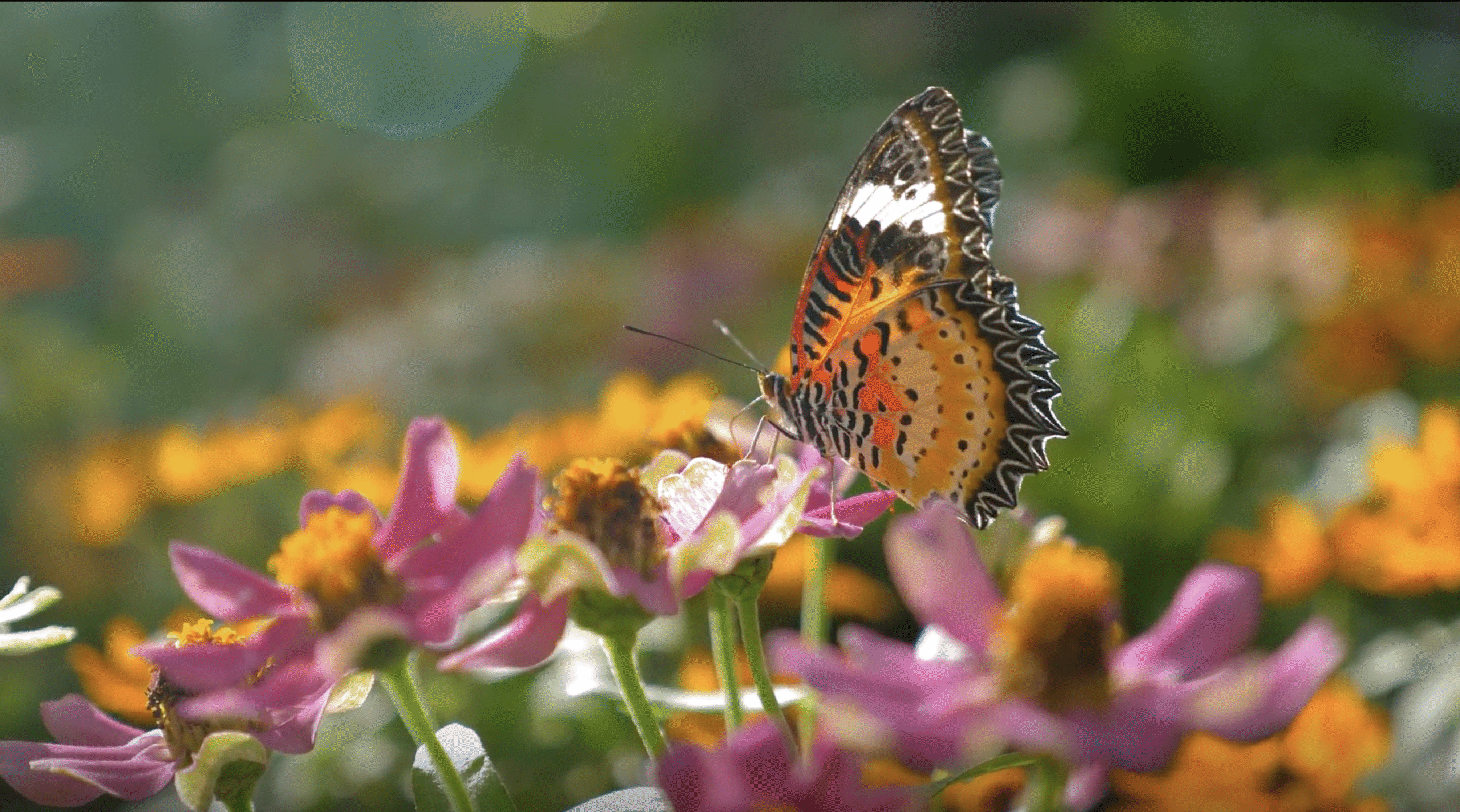
The Oklahoma Department of Corrections and the Oklahoma Monarch Society have partnered on an initiative aimed at conserving the native populations of pollinator species, as well as offering positive opportunities for the incarcerated population. | Photo Credit (all): Oklahoma Department of Corrections
By Charlie Lange
Last month, the Oklahoma Department of Corrections and the Oklahoma Monarch Society announced their partnership on the new Pathways for Pollinators and People initiative, which seeks to engage the incarcerated population in monarch conservation, education and art.
According to a release from the City of Oklahoma City, pollinators such as Monarch butterflies are essential to healthy ecosystems, food systems and biodiversity. However, populations of Monarch butterflies and other native pollinators have been declining due to pesticide and herbicide use, habitat loss and climate change.
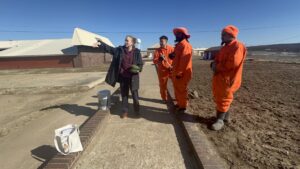
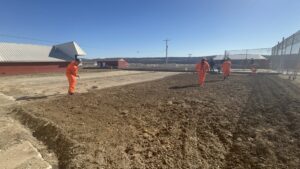
To combat this decline, the ODOC and the OMS will work together throughout the year to install pollinator gardens with 30 different plant species that provide food and shelter for pollinators — including milkweed, the host plant for monarch butterflies. The initiative will also include educational programming and materials to teach incarcerated individuals about pollinators and habitat creation through OMS’s Okies for Monarchs program. Finally, participants will have the chance to help create monarch-themed murals, designed by Oklahoma artist Rick Sinnett.
ODOC and OMS currently have plans to implement the program at four correctional facilities across the state, including the Mack Alford Correctional Center in Stringtown, the Dick Conner Correctional Center in Hominy, the Great Plains Correctional Facility in Hinton, and the Dr. Eddie Warrior Correctional Center in Taft.
Miciah Ahrnsbrak is the Oklahoma Department of Corrections’ Prison Rape Elimination Act coordinator, who has also taken on the Pathways for Pollinators and People project as a side venture. He says that gardens have already been planted at six facilities to provide waystations for butterflies, and that the garden planted at the Mack Alford Correctional Center last year is the first to be integrated for the program.
He says the program will serve several important purposes for ODOC.
“Anything we, as an agency, can do to give back, we try to do. Butterflies, including monarchs, are critical to most natural infrastructure. By providing them a safe place to eat, rest and thrive, we are giving them the energy required to continue their migration path, and pollinate other plants along the way, which aids all plant life, including ODOC’s gardens and agriculture programs,” he said.
In addition to the environmental benefits, Ahrnsbrak also points to the positivity he hopes the program will bring to the incarcerated population.
“We strive to bring in any program or activity that gives inmates something to focus their energy on. Gardening and landscaping are broad skill sets, and we hope that inmates will carry the passion and pride they have for this project with them into the outside world, continuing to channel that energy into something positive and perhaps building a career out of it if they choose. They take pride in the beauty the garden provides, and the murals will only enhance it.”
Ahrnsbrak says he and other ODOC stakeholders weren’t sure just how the program would be received by the incarcerated population, but that they have been pleasantly surprised by the results thus far.
“When this project started, I was apprehensive about how inmates would respond. However, I am happy to report that the inmates have not only embraced it but also shown passion for it. Inmates in facilities with active gardens are constantly working to learn more about pollinators and gardening in general and are hopeful about how the program can expand,” said Ahrnsbrak.
He highlighted some of the residents’ favorite aspects about the program — including the chance to lend a hand in painting the monarch-themed murals.
“The inmates love the color of the plants themselves and the motion of the butterflies. At all facilities, we try to do as much as we safely can to beautify the yard for both inmates and staff. The inmates are also ecstatic about the opportunity to work with Rick Sinnett, the artist painting the murals. He has agreed to work alongside some of the inmate artists to create a collaborative piece.”
Amanda Fitzgerald, the OMS’ Community Engagement Manager agrees. “I’ve seen firsthand how bringing native plants into correctional facilities transforms more than just the landscape. The men take pride in creating habitat, learning new skills and contributing to something that lives beyond the facility walls. These gardens become places of healing, reflection and connection. Every time we start a new garden, I see hope take root.”
The wardens at the participating facilities are also already seeing the positive impacts the program is having on the incarcerated population.
“Tending the butterfly garden gives our inmates a sense of responsibility, reminding them that growth, healing and transformation are possible — both in nature and within themselves,” said Mack Alford Correctional Center Warden Margaret Green.
She added that those benefits have even trickled down to staff.
“Not only the inmates, but the staff, have enjoyed having the butterfly garden, to see all the butterflies that have made their journey through our facility provides a calming environment and a sense of connection to something living, growing and free. Knowing that monarchs needed our help to ensure the right flowers were available to help feed them through their journey is truly a blessing. We are proud that our land can continue to help monarchs survive.”
“This initiative gives incarcerated men the opportunity to contribute positively to their community while supporting environmental conservation,” said Dick Conner Correctional Center Warden Scott Tinsley.
Ahrnsbrak says that ODOC hopes to eventually expand the program to up to 18 facilities across the state, as well as enhance the educational elements of the program. He also hopes to secure more tagging and monitoring resources so that the incarcerated participants can continuously track the migration of pollinators.
Funding for the project comes from the OMS and the Oklahoma City-based private philanthropic organization Kirkpatrick Foundation. The Oklahoma Association of Conservation Districts has also donated bags of seeds and other materials for the programs.