





Rikers Island Remediation Action Plan Outlines Next Steps as Transition to Borough-Based Jails Progresses
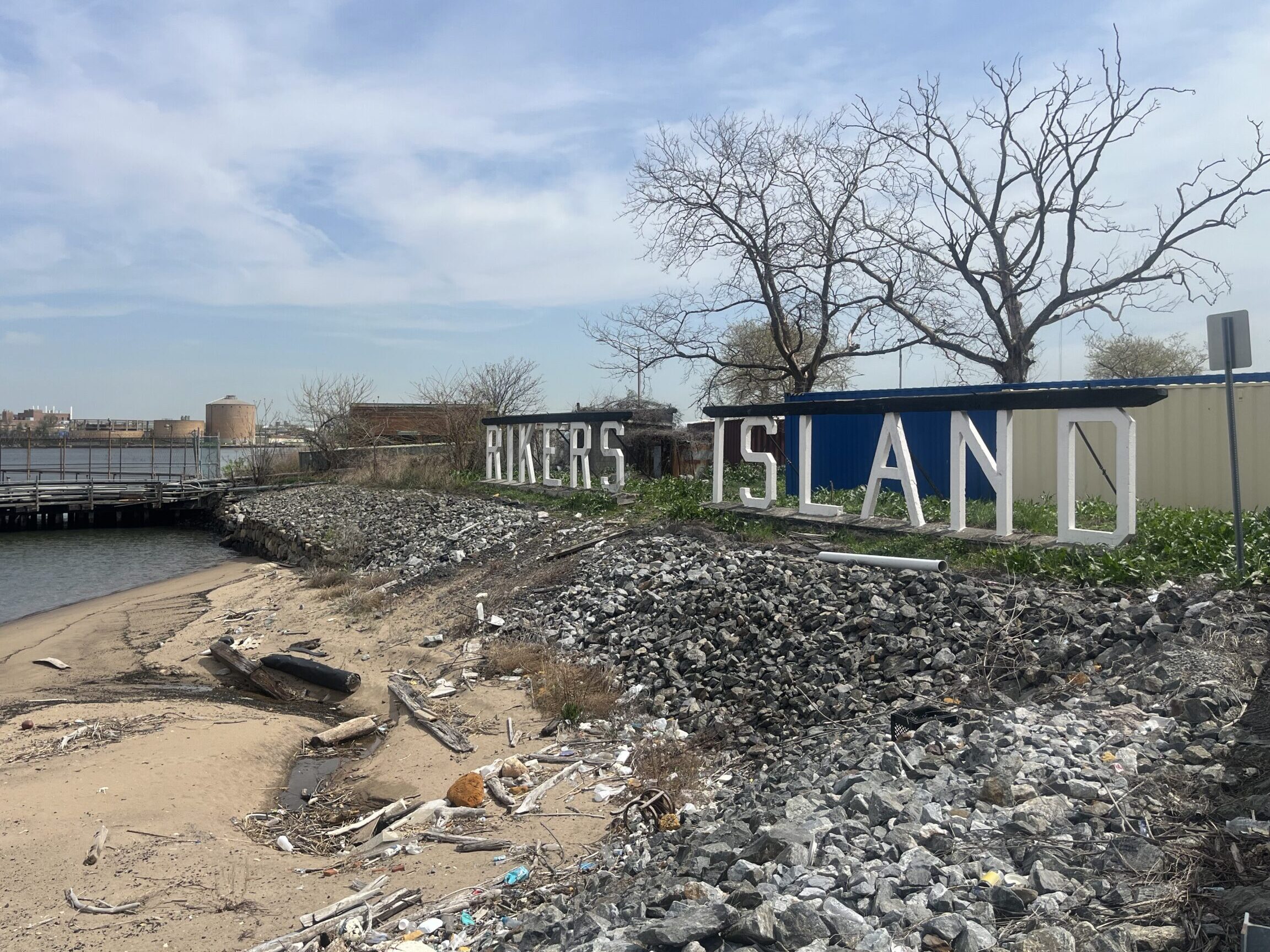
A newly released Remediation Action Plan describes actions that will be taken over the next year to improve conditions at New York City’s Rikers Island jail.
By Charlie Lange
Last month, the team appointed by a federal judge to take control of operations at New York City’s jail system — including the Rikers Island jail — released its plan to improve conditions at the long-troubled facility.
The 33-page Remediation Action Plan, written by remediation manager and former CIA officer and Vermont Department of Corrections Commissioner Nick Deml, outlines key areas of focus over the next year, with some benchmarks set for as early as September. Those focus areas include:
- Improving core correctional and security functions: Replacing defective doors, implementing new placement procedures for individuals who commit violence, enhancing reporting procedures for security incidents, and allocating funding for rehabilitation-based programming.
- Transforming staffing models and practices: Validating and assessing staffing and developing and executing a staffing plan.
- Strengthening individual and institutional accountability: Improving investigations staffing, structure and training, and developing a strategic plan for the Investigations, Intelligence and Accountability Division.
- Modernizing data systems and technology: Developing a technological strategic plan, business intelligence and remediation compliance tools.
- Promoting effective organizational leadership and governance: Developing new support for facility leadership, adopting a dignity-based values statement, assessing compliance-focused resource use and enhancing staff communication.
In the plan, Deml acknowledges that the problems plaguing Rikers and the New York City jail system developed over many years and will not be fixed overnight. However, Deml expressed optimism that the plan, carried out with New York City Department of Correction leadership and other key stakeholders, could help reverse course and improve conditions and department culture.
“Meaningful reform will require sustained commitment, disciplined execution and close collaboration among my team, [Department of Corrections], labor representatives, people in custody, advocates and other stakeholders,” said Deml. “By establishing foundational correctional practices, strengthening accountability and building institutional capacity necessary to sustain reform — including through historic investments in community-based programming — the City can achieve constitutional compliance and ultimately resume full responsibility for its jail system.”
The remediation management team led by Deml, who was appointed by a federal judge to serve as remediation manager in January, also includes former Rhode Island Department of Corrections Director Wayne Salisbury, who joined as Senior Director of Investigations, Operations and Oversight at the end of June.
The group will work in collaboration with the Monitoring Team, which according to Deml will serve as “the Court’s eyes and ears,” the NYC DOC’s administration led by Commissioner Stanley Richards, DOC and facility staff, and a deep list of partners that includes current and formerly incarcerated individuals and their families, labor unions, counselors and prosecutors.

The plan is part of a city-wide initiative to ultimately close Rikers and transition to four new Borough-Based Jails, which are currently under construction in Manhattan, Brooklyn, Queens and the Bronx.
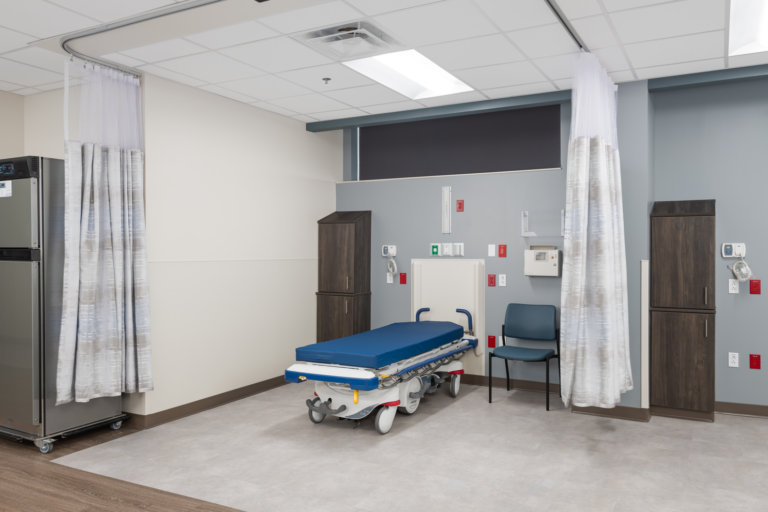
In April, the city opened a new Outposted Therapeutic Housing Unit — the first of three planned units — at NYC Health + Hospitals/Bellevue that will house people in custody with complex medical needs. The new 104-bed unit is intended to transfer clinically vulnerable detainees from the Rikers Island jail complex into a hospital-campus setting with closer access to specialty care.
Later that same month, city officials held a traditional “topping out” ceremony at the site of the Brooklyn Borough-Based Jail, placing the last piece of structural steel atop the 15-story facility. The NYC Department of Design and Construction (DDC) said the facility is designed for 1,040 beds and will total 712,150 square feet of zoning floor area, including more than 30,000 square feet designated as community space. The design-build project is being led by HOK and Tutor Perini, with the AECOM-Hill joint venture providing program and project management services.
The City said the Brooklyn building is due to reach substantial completion in spring 2029, with the Bronx and Queens sites slated for turnover in 2031 and the Manhattan site in 2032.
“The borough-based jails were built with more accessible recreation and program space as well as improved sightlines for staff,” said Denisse Moreno, Public Information Officer for the NYC DDC. “Additionally, these are more modern facilities that are closer to courts and communities, which will facilitate access to lawyers, visitors and providers.”
Moreno also said the remediation team’s new plan aligns with the city’s plans and timeline for shifting operations to these new facilities.
“The Remediation Action Plan is relatively new, but the goals are entirely consistent with moving toward a smaller, safer and fairer system,” said Moreno.
In the meantime, the city and its design and construction partners will tighten their focus on staffing and training for the new facilities as the projects approach completion.
“The design-build team will work with DOC on the facilities commissioning and will provide an operations and maintenance training program to ensure that DOC operational staff is prepared to take over management of the facilities,” said Moreno, noting that a transitional plan will be finalized prior to substantial completion.
Overall, the members of the remediation team, DOC leadership, staff and other stakeholders recognize the opportunity at hand — as well as the stakes involved — as the department approaches this seismic transformation.
“The Plan’s timelines are aggressive because the moment demands it,” said Deml. “With new borough-based facilities on the horizon, we have a rare opportunity to heal this institution before its failures are carried into the next generation of City jails.”