



Beyond Accommodation: Designing for Capability in Trauma-Informed and Neurodiverse Correctional Environments
For decades, correctional design has evolved beyond simply containing incarcerated populations.

For decades, correctional design has evolved beyond simply containing incarcerated populations.
Designing correctional facilities as public health infrastructure requires more than improving conditions inside housing units.
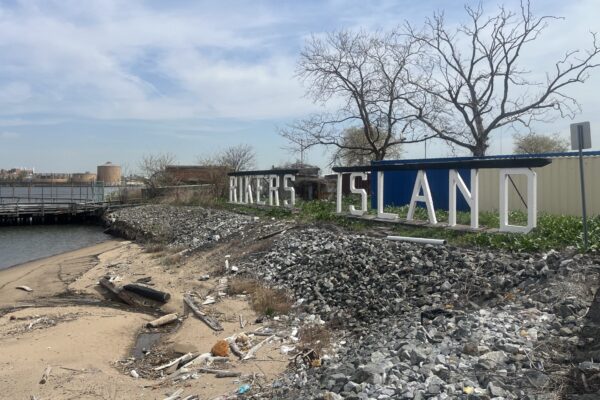
Last month, the team appointed by a federal judge to take control of operations at New York City’s jail system — including the Rikers Island jail — released its plan to improve conditions at the long-troubled facility.
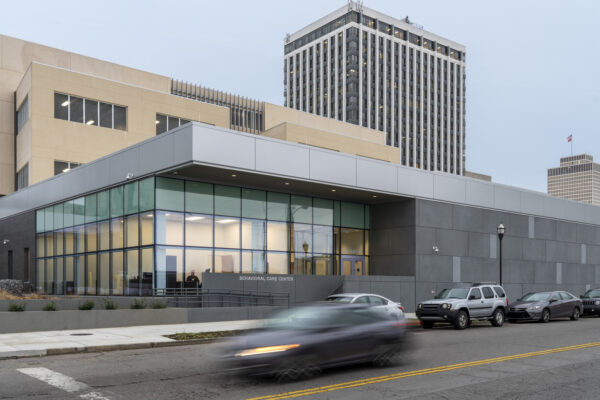
For much of the 20th century, correctional facilities were designed as instruments of containment — hardened, inward-facing environments optimized for control, efficiency and separation from civic life.

The Davidson County, Tenn., Department of Finance Division of Purchases recently announced a notice of intent to award the design-build team for the Davidson County Sheriff’s Office (DCSO) Replacement Correctional Facility.
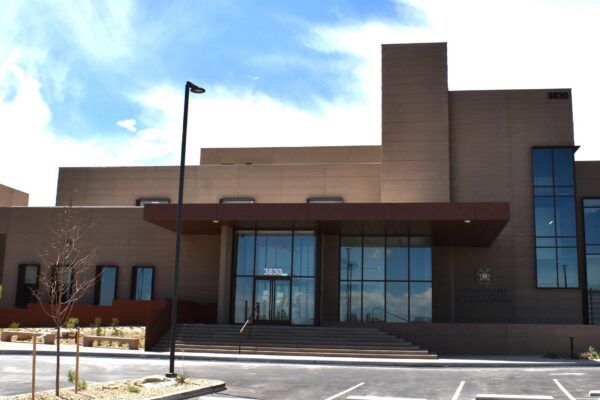
The Pueblo County Sheriff’s Office in Colorado marked the opening of its new detention center May 7, hosting a ribbon-cutting at the new $150 million facility.

Officials in New York City marked a major construction milestone this week at the Brooklyn Borough-Based Jail, placing the last piece of structural steel atop the 15-story facility during a traditional “topping out” ceremony.

Guy Mallozzi has joined HOK’s Civic+Justice team as the new Director of Business Development.
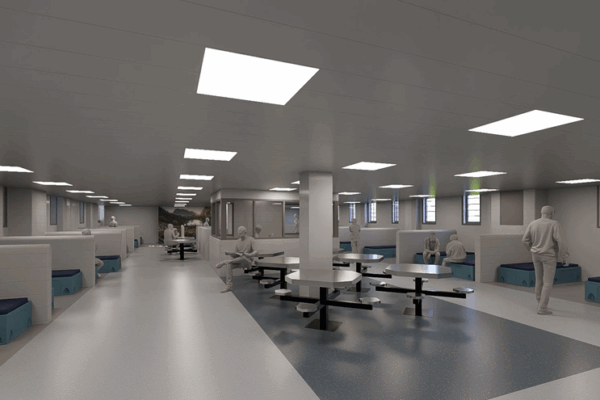
Late last month, Ohio Gov. Mike DeWine and Ohio Department of Rehabilitation and Correction Director Annette Chambers-Smith announced that the state will award more than $24 million in grants to support construction and renovation projects at three jails across the state.
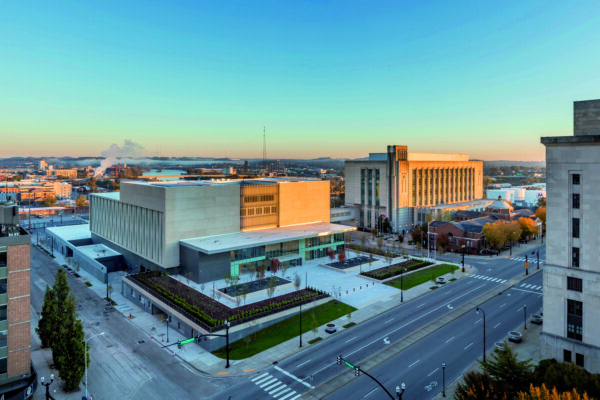
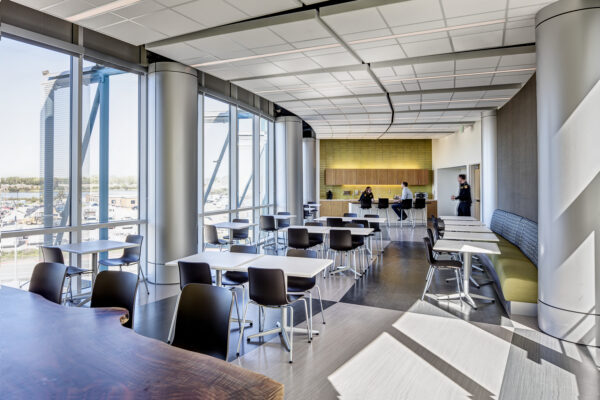
As correctional systems plan more facilities in urban areas, many are choosing to build upward rather than outward. Vertical construction is becoming more common due to land scarcity, zoning limitations, adjacency to courts and the need for secure centralized services.