




Modernizing Corrections Means Investing in the People Responsible for its Success
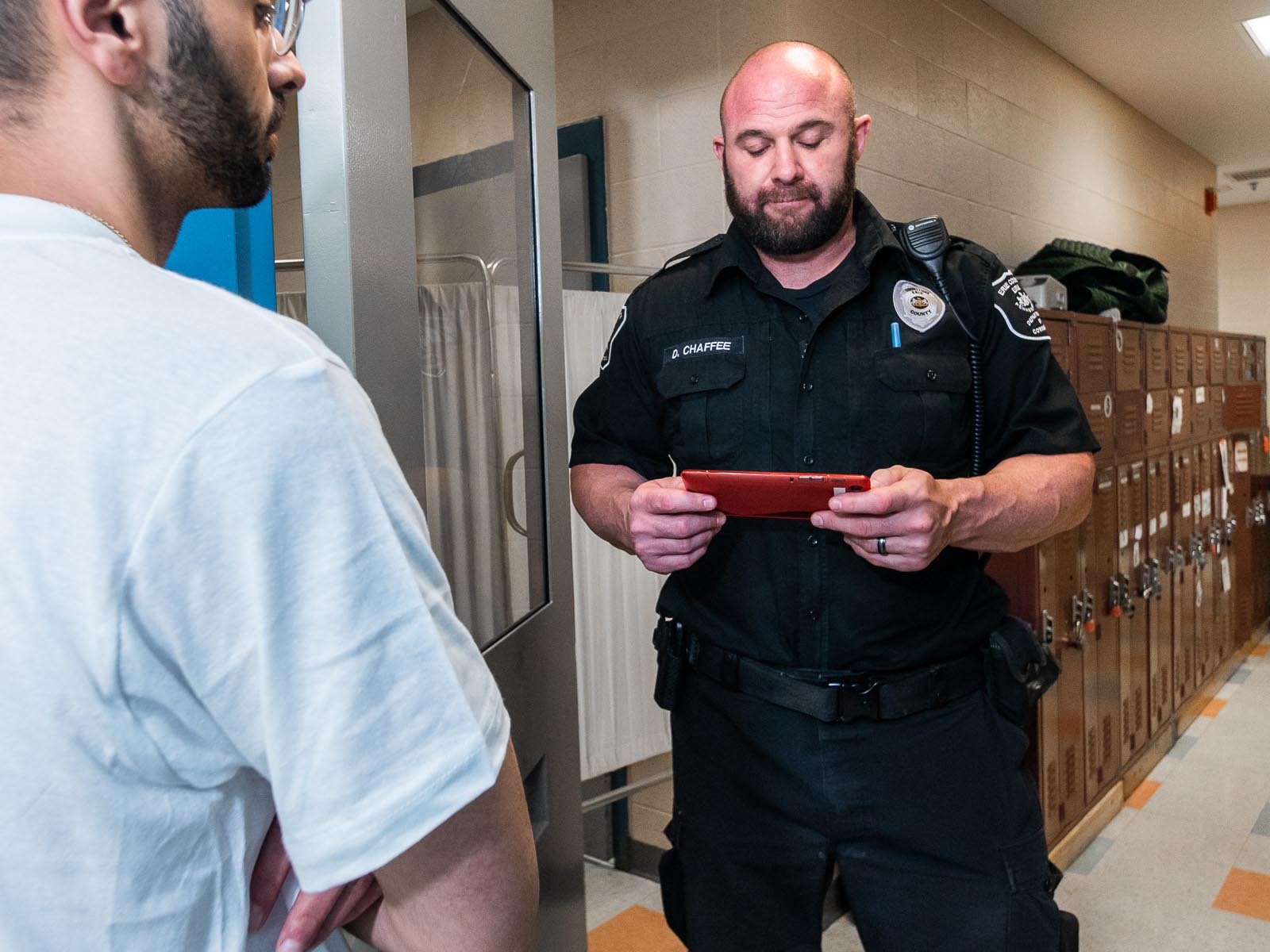
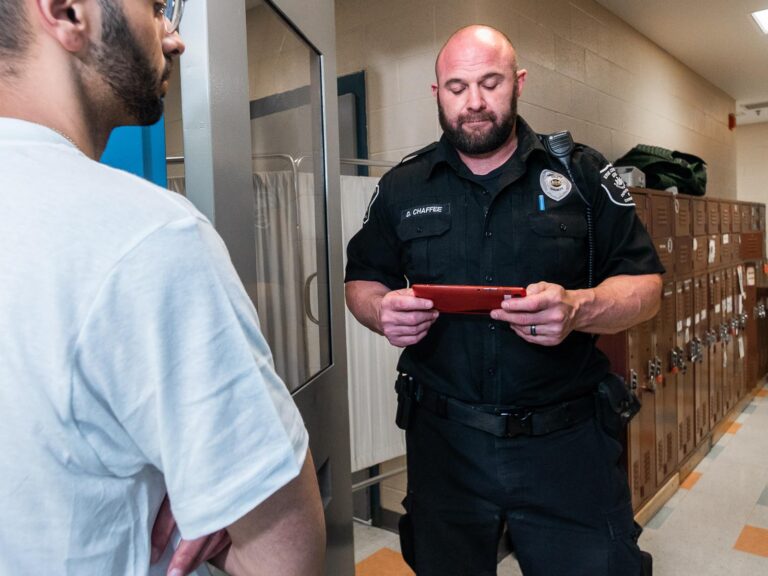
New tablet technology can give correctional staff faster access to critical information, streamline routine workflows and strengthen situational awareness, helping officers work more safely and efficiently. | Photo Credit: Securus Technologies
By Cris Caldwell
January 10, 2005, is a day that changed my career in corrections.
I was working at the California Institution for Men in Chino when we lost an officer in the line of duty. As someone who had spent years helping prepare officers for exactly those kinds of situations — first on correctional response teams and later in training roles — I found myself questioning whether we were doing enough to prepare and protect the people doing one of the most difficult jobs in public safety.
Four years later, I was called from home to respond to a major prison riot involving more than 1,000 incarcerated individuals. We contained it quickly, but restoring order took days. I spent nearly a week at the facility alongside fellow officers, sleeping on tables and working around the clock to manage the aftermath.
Those experiences stay with you. They also shape the way you think about safety, preparedness and the responsibilities correctional professionals carry every day.
Over nearly 30 years in corrections, I have served as an officer, sergeant, lieutenant, trainer, investigator and special agent. During that time, I have watched correctional staff take on more responsibilities, adapt to changing policies, manage increasingly complex populations and support a broader mission that now includes both security and successful rehabilitation.
Through every change, one thing has remained constant: the people working inside correctional facilities are our most important resource. At the same time, technology is becoming an increasingly important part of how facilities operate every day.
Purpose-built solutions like the Securus EVOTAB® tablet now give incarcerated individuals secure access to communications, education, workforce development and other services. Securus’ Officer T80™ tablet does something different for staff, bringing information and critical workflows into a single mobile platform so officers can find what they need faster, spend less time on administrative work and stay aware of what is happening around them.
These tools serve different users and different needs, but the larger goal is the same: create a more connected facility where technology supports the people responsible for both safety and successful outcomes.
Demonstrating Value On the Job
Modernization isn’t simply about introducing new devices or platforms. People need to understand the value they provide first.
Many officers have experienced technology implementations that promised efficiency but instead created additional work. That experience naturally creates skepticism. The turning point comes when an officer sees how a tool can help solve a real problem.
I recently worked with an officer who had shown little interest in a newly deployed platform. He wasn’t opposed to technology. He simply had more responsibilities than time and wasn’t convinced another system would help.
Instead of demonstrating every feature, I asked him to show me one task he completed regularly that took longer than it should. Within minutes, he completed that task through the platform in a fraction of the time his normal process required.
His reaction said everything. “If it can help with this, what else can it do?”
That moment wasn’t about software. It was about trust.
Pairing Technology with Practical Training
Technology earns credibility when officers experience firsthand how it can reduce friction, improve access to information, simplify routine work and support better decision-making.
That’s why training matters. Correctional professionals do not need another product demonstration. They need practical training that shows how technology applies directly to the work they perform every day. They need opportunities to ask questions, build confidence and understand how these tools support their mission.
And they need partners who remain engaged long after implementation is complete. When officers receive that support, technology stops feeling like another requirement and becomes another resource. The benefits extend far beyond efficiency.
When staff spend less time on administrative tasks, they have more time to focus on the responsibilities that require human judgment and experience. Information becomes easier to access. Communication improves. Operations become more coordinated. Potential issues can be identified earlier. Facilities function more effectively.
Most importantly, officers can devote more attention to the people and situations that have the greatest impact on facility culture and outcomes. The result is not simply a more efficient operation. It is a safer facility. It is a better-informed workforce. And ultimately, it creates stronger conditions for rehabilitation and successful reentry.
Modern Tools for a People-Centered Mission
Real modernization happens when correctional professionals are equipped with the tools, training and support they need to succeed. When purpose-built technologies support both operational excellence and rehabilitation, everyone benefits: officers, facilities, agencies, and the individuals preparing to return to their communities.
That is what real modernization looks like. Not technology for technology’s sake. Not technology for incarcerated individuals alone. And not technology for staff alone.
Because at the end of the day, the future of corrections is not built on devices, but by the people empowered to use them.
 Cris Caldwell is a product adoption and training instructor at Securus Technologies. He spent nearly 30 years in California corrections and now helps correctional staff get more from the tools they use every day.
This article was sponsored by Securus Technologies. For more information, visit www.securustechnologies.com.