




Fulton County Issues CMAR RFP for $750 Million Special Purpose Facility

A new request for proposals from Fulton County, Ga., seeks a construction manager at-risk for a $750 million project that will bring up to 2,300 new jail beds across two facilities.
- Fulton County, Ga., issued a request for proposals on Aug. 17 for construction manager-at-risk preconstruction and construction services at the Rice Street detention campus.
- The scope includes a 780,000-square-foot, 1,800-bed detention facility and a 120,000-square-foot Accelerated Housing Component with 480 to 500 beds; the preliminary construction budget is $750 million.
- A mandatory preproposal conference and site visit are scheduled for Sept. 1. Questions are due Sept. 14, and proposals are due Sept. 25 at 11 a.m.
- The county designated the procurement as a mandatory joint-venture project at the prime-contractor level and anticipates Board of Commissioners consideration Nov. 18.
ATLANTA — Fulton County, Ga., has opened a competitive search for a construction manager at risk to deliver two major components of its Special Purpose Facility program at the active Rice Street detention campus. The Aug. 17 request for proposals establishes a preliminary construction budget of $750 million and calls for proposals by Sept. 25.
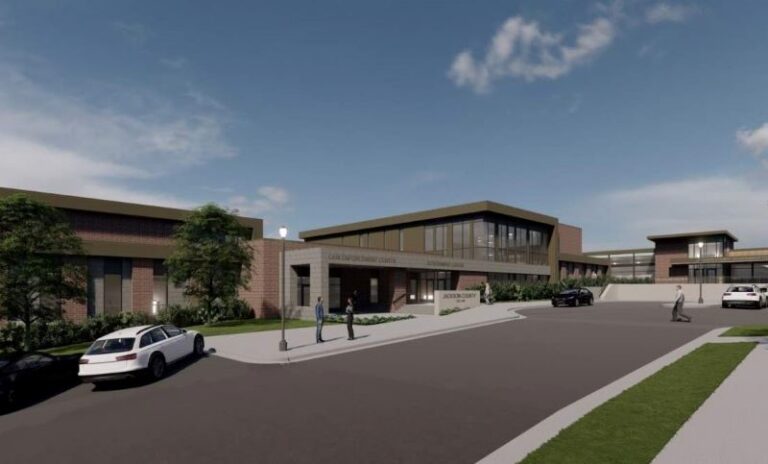
The RFP covers an approximately 780,000-square-foot, 1,800-bed detention facility budgeted at $600 million and a separate 120,000-square-foot Accelerated Housing Component with 480 to 500 beds and a $150 million budget. The accelerated component is planned around 10 direct-supervision, medium-security housing units and is targeted for completion within 16 to 18 months after award, while work on the larger facility proceeds concurrently.
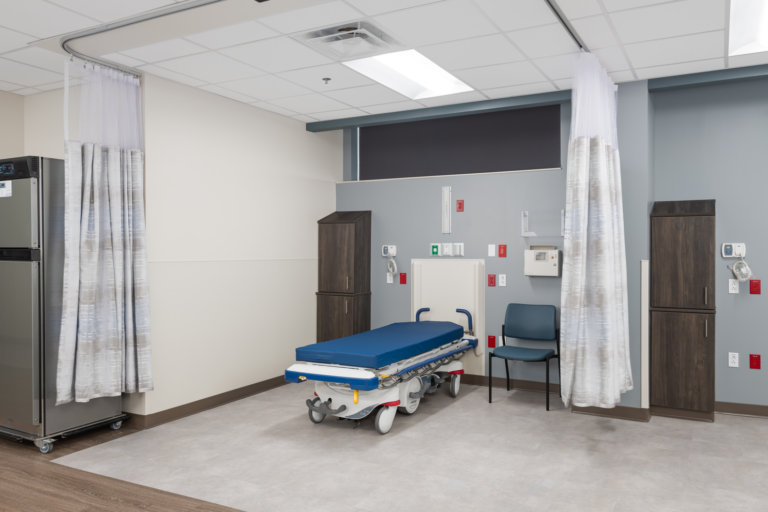
Both components are planned for an operational detention campus adjacent to existing jail housing and support facilities for behavioral health, medical and other special-needs populations. The RFP calls for restricted access, enhanced security and continuous coordination with jail operations. ACR Partners is serving as the county’s program management team and owner’s representative.
The selected construction manager will provide early design assistance, cost modeling, constructability and maintainability reviews, trade-package planning, scheduling, logistics, subcontractor procurement and construction management. The delivery model will “leverage early constructor involvement to manage risk, improve cost certainty,” according to the RFP. The team will first perform preconstruction services and submit guaranteed maximum price packages when construction documents reach approximately 75% completion. Construction would begin after county acceptance of the GMP amendments.
The procurement advances a capital plan developed amid long-running concerns about Fulton County’s Rice Street Jail. The facility was completed in 1989 and originally designed and built for single bunking, but was immediately converted to accommodate double bunks to house the growing inmate population. Over the years, the facility has since been the subject of federal findings and a consent decree addressing violence, sanitation, healthcare and other conditions.
In August of last year, commissioners approved a $1.1 billion construction-and-renovation plan in August 2025, including a new facility for inmates with medical and mental health needs before renovation of the existing Rice Street Jail. That report described the original new-build component as approximately 600 beds and estimated a five-year construction period — a timeline that Fulton County Sheriff Patrick Labat was critical of at the time.
Labat cited recurring flooding, failing pipes, malfunctioning locks and outdated HVAC systems as items necessitating more urgent action.
“The failing infrastructure is a long-standing problem attributed to the demand put on a system far beyond its designed capacity,” Labat wrote.
Earlier this year, Labat wrote in Correctional News that a 15-month feasibility study found the jail was 80% beyond its life cycle and in need of replacement. He also said the previously approved approach could take eight to 10 years and argued that construction must be paired with changes in staffing, training, culture, accountability and community partnerships. He described planned spaces for rehabilitative programming, classrooms, medical and behavioral health care, and safer movement.
“We need a 21st-century facility that reflects 21st-century values: safety, technology, rehabilitation and respect,” Labat wrote.
The current RFP lists 2,280 to 2,300 beds across the two components, compared with the approximately 600-bed facility approved last year. It also sets a $750 million preliminary construction budget within the broader capital program. The RFP states that its budget and program figures are planning limits subject to county validation and adjustment.
The solicitation designates the project as a mandatory joint venture at the prime-contractor level. Proposals will be scored on:
- Technical approach, 30%;
- Project team qualifications, 20%;
- Relevant experience, 20%;
- Personnel availability, 13%;
- Cost proposal, 10%;
- Local preference, 5%; and
- Service-disabled veteran preference, 2%.
The initial contract term is five years, with one optional two-year renewal.
A mandatory preproposal conference and guided site visit are scheduled for Sept. 1. Questions are due Sept. 14, and electronic proposals are due Sept. 25. Tentative interviews are set for Oct. 13, followed by anticipated Board of Commissioners consideration Nov. 18.