






Dewberry Appoints David J. Mahoney as CEO
Professional services firm Dewberry has announced that David J. Mahoney, PE, has been named Chief Executive Officer and joined the company’s Board of Directors, effective April 1.

Professional services firm Dewberry has announced that David J. Mahoney, PE, has been named Chief Executive Officer and joined the company’s Board of Directors, effective April 1.

As the justice system evolves, so must the environments in which it operates. Four justice architects joined Correctional News’ design roundtable to delve into the latest trends, challenges, and standout projects influencing the future of justice architecture.
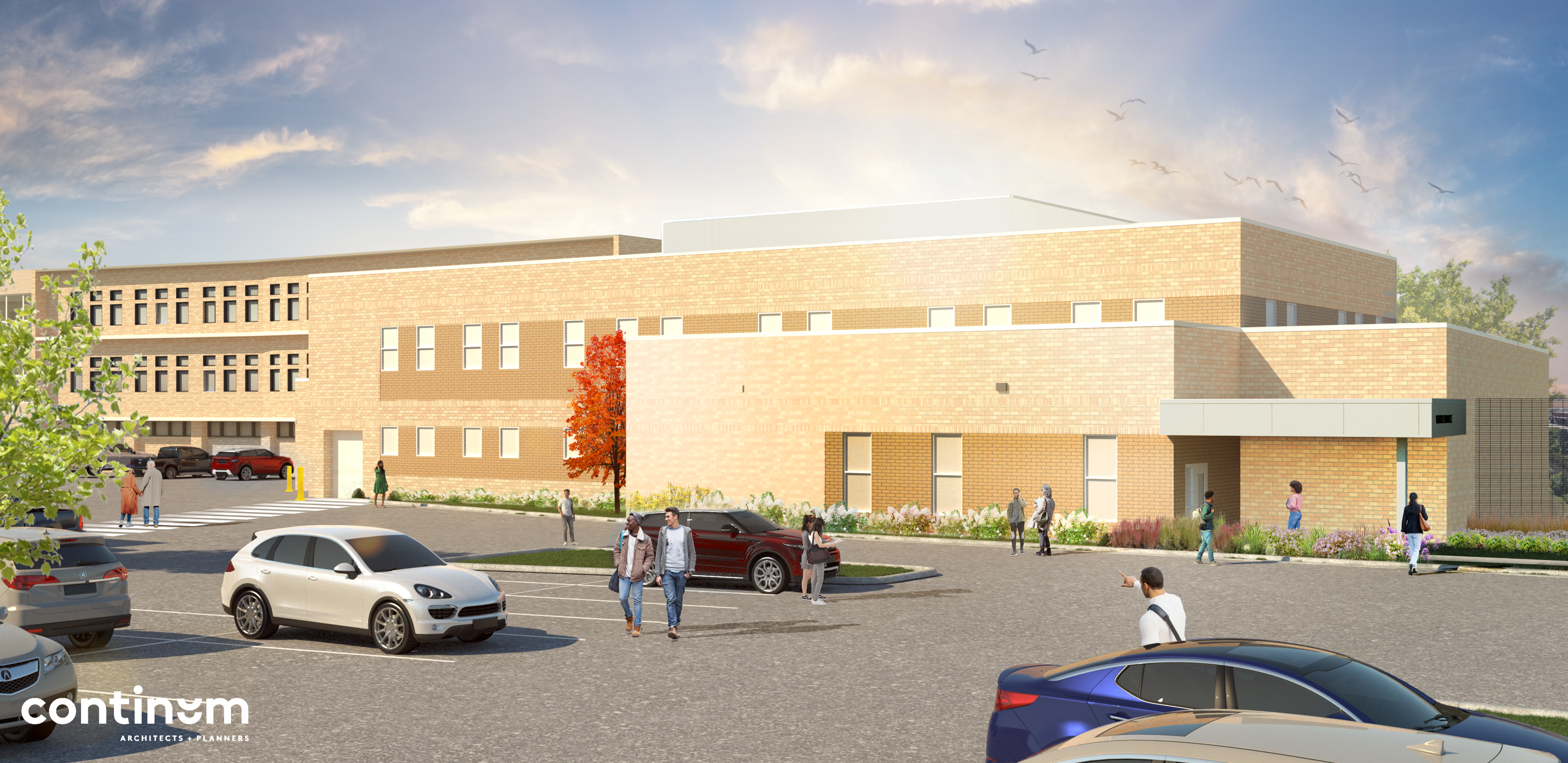
Since 2018, Dewberry has worked with architecture firm Continuum Architects + Planners, construction company Gilbane, and client Milwaukee County, Wisconsin, to plan for and design a new secure residential care center for children and youth (SRCCCY).

Visually presenting access to the judicial process in an open, transparent, and equitable way will always be juxtaposed against the real need to protect the courts and participants in the judicial process from harm.

To greet the new year for our annual design forum, CN checked in with a trio of design leaders to gain their insights on current trends, recent projects and what 2024 may have in store for correctional architecture.
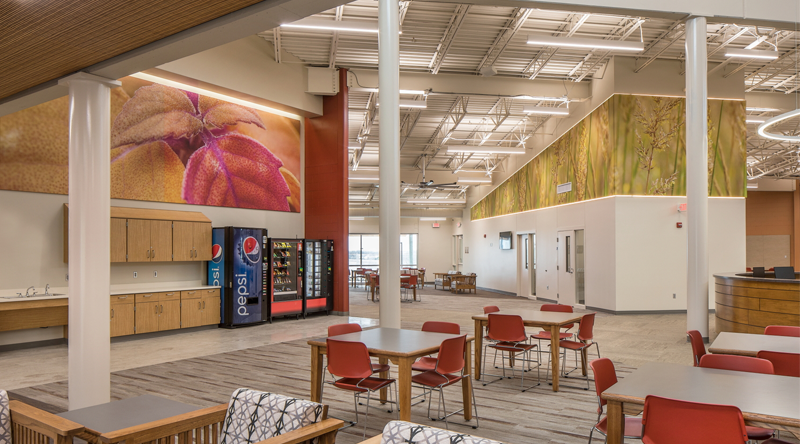
Building sustainable practices into secure environments has been a long-time goal for state and federal governments.
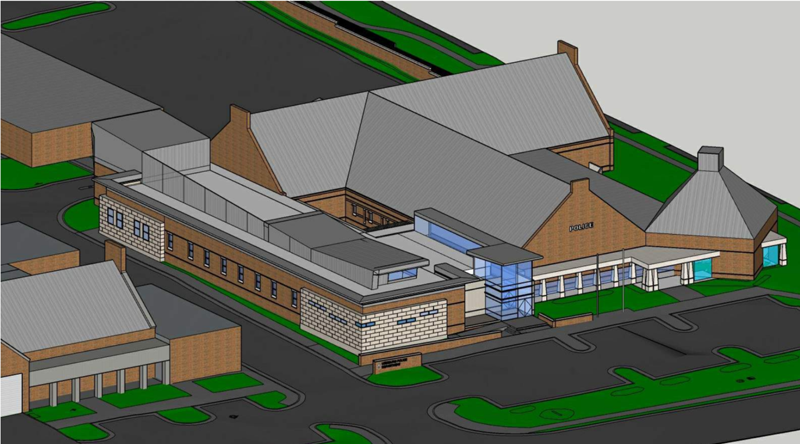
Hoar Construction announced on September 22 that it has broken ground on a 14,500-square-foot addition and 21,000-square-foot renovation at the Leesburg Police Department’s Public Safety Facility in Leesburg, near Washington D.C.

Opening in 1992, the Los Angeles County Edmund D. Edelman Children’s Court is known for being the first courthouse in the nation exclusively dedicated to handling juvenile dependency cases.

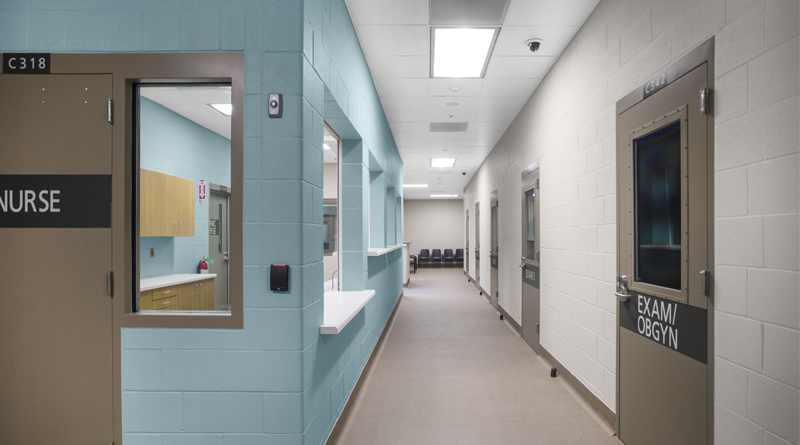
According to the 2012 American Civil Liberties Union (ACLU) report, “At America’s Expense: The Mass Incarceration of the Elderly,” seven years from now in 2030, there will be around 400,000 geriatric-age inmates within the criminal justice system. Geriatric populations are typically considered age 50 and older.