





From Data to Decisions: How an Intelligence-Led Ecosystem is Strengthening Public Safety in Corrections
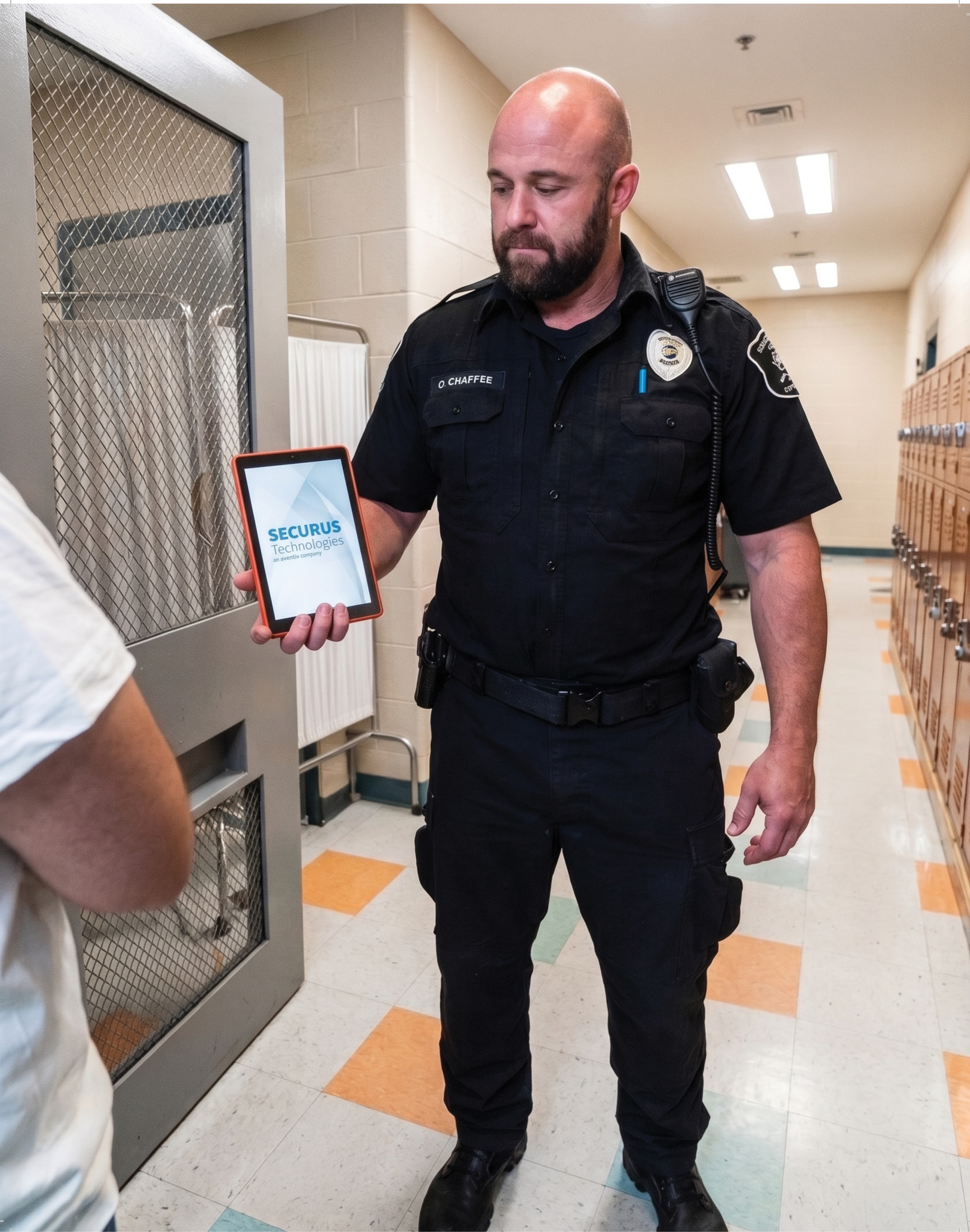
Connected, intelligent communications systems can reduce operational strain and increase safety within facilities. | Photo Credit: Securus Technologies
By Jessica Lust and Melanie Sankaran
Correctional agencies have long invested heavily in the physical foundations of safety: secure facilities, controlled movement, trained staff and reliable communications. These elements remain essential.
Today, a new reality is taking shape. The ability to connect information, surface patterns and act in real time is just as critical to safety as walls, cells and staffing. Strong intelligence ecosystems are core drivers of operational effectiveness, staff efficiency and public safety outcomes.
Modern operational demands require resources to stretch further than ever before. Agencies that transform information into timely, actionable insights gain a significant advantage. By doing so, they are better positioned to lead with prevention rather than relying on response.
From Disconnected Systems to Connected Insight
Most correctional facilities already rely on multiple systems to manage communications, safety and operations. These include call and video monitoring, messaging platforms, movement tracking, incident reports and other operational tools.
Historically, these systems have operated independently. Information stayed within each platform, requiring staff to manually piece together context across systems. By integrating these systems, the workflow can transform into a streamlined, reliable and proactive operation that consistently delivers high-quality outcomes.
Activity that once appeared isolated becomes part of a broader, more meaningful pattern. Instead of spending days cross-referencing call logs, housing data and timelines, staff can identify potential risks within minutes — often within the same shift.
When every shift demands more, connected systems give staff clear visibility, faster insight and more confidence in every decision. With investigators, supervisors and leadership aligned around the same operational picture, agencies can reduce delays, minimize miscommunication and act with greater certainty.
This shift establishes a powerful intelligence ecosystem by maximizing the value of existing resources. It’s about unlocking the full potential of the information agencies already possess, turning current data into a more precise and effective strategic asset.
Turning Information into Actionable Intelligence
Correctional environments generate enormous volumes of information every day, including:
- Call, video and message activity
- Movement and housing data
- System alerts and logs
- Operational and investigative records
Individually, these data points may seem routine. Together, they can reveal patterns that matter. Analytics can explain what happened, but actionable intelligence goes a step further; it helps determine what to do next.
By bringing communications and operational data into a unified, secure environment, agencies can identify relationships across individuals, locations and timelines. Signals that appear insignificant on their own gain meaning when viewed in context. Importantly, these systems are designed specifically for correctional environments. They operate within closed, agency-controlled frameworks, where agencies define how data is accessed, analyzed and applied.
Rather than overwhelming staff with raw information, these tools surface concise, relevant insights that support real-time decisions. The goal is simple: reduce noise and highlight what matters most.
In environments where staff can spend 30 to 40 percent of their time on manual monitoring and administrative tasks, even incremental efficiency gains can translate into hundreds of recovered hours. That time can be redirected toward supervision, investigation and prevention.
What Intelligence Looks Like in Practice
Consider a common scenario.
An investigator begins her shift reviewing flagged communications. Within minutes, the system surfaces an alert: a pattern of calls among three individuals housed in different units, each referencing the same outside contact using slightly varied language. None of the calls, viewed alone, rise to a threshold of concern.
Viewed together, they suggest coordination.
In the past, identifying that pattern would have required manual cross-checks across call logs, housing assignments and timelines, often stretching across days and involving multiple teams. By the time the picture came together, the opportunity for early intervention might already be gone.
With an integrated intelligence-led ecosystem, the pattern is identified automatically, documented and presented with context. The investigator can escalate with confidence, leadership can act within the same shift, and intervention can occur before the situation escalates into a larger incident.
This evolution creates a powerful “aha” moment. Intelligence optimizes the timing of every action. In a corrections environment, having the right information at the right time empowers staff to lead with prevention and proactive care. By bridging the gap between data and real-time understanding, agencies enhance their operational effectiveness across every area of the facility.
Smarter Use of Staff, With Full Agency Control
The true power of this approach lies in its operational impact, providing a strategic advantage that goes far beyond the technology itself. With clearer insight into ongoing activity, agencies can deploy staff more intentionally. Attention can be focused on emerging risk, rather than spread evenly across every unit or task. Supervisors gain visibility across shifts, and leadership gains consistency across facilities.
In environments where agencies manage high turnover with dedication, this approach provides a strategic advantage. It ensures that even when staffing is lean, every effort is amplified through precision — allowing teams to achieve high-impact results with focused, effective action.
At the same time, it is essential that agencies and human insights oversee how intelligence is applied. These systems operate within existing policy frameworks, with agency-defined permissions, oversight and decision-making authority. Intelligence supports professional judgment. It does not replace it.
The result is a model that strengthens both operational efficiency and accountability, enabling agencies to act with greater confidence while maintaining full ownership of their data and decisions.
From Inside the Facility to Community Impact
The value of intelligence extends far beyond the facility gate.
Information generated inside correctional environments can have direct implications for public safety outside. Conversations or patterns that appear routine in isolation may take on new meaning when connected to broader law enforcement intelligence. When used appropriately and within established frameworks, this insight can support coordinated responses across agencies, helping identify risks earlier and act more quickly.
This is particularly relevant in complex investigations, including efforts to combat human trafficking. By identifying patterns across large volumes of secure communications, investigators can surface connections, generate leads, and support interventions more efficiently. In the past year alone, tools like these have supported hundreds of investigations, generated more than 1,000 verified leads, and contributed to the recovery of nearly 200 missing children.
This approach prioritizes a balance of safety and professional stewardship. By focusing on high-quality decision making, agencies can maximize the utility of the information they already manage to support their mission. The goal is to provide staff with the clearest possible insights, ensuring that transparency and informed leadership remain at the heart of every facility’s operation.
Strengthening Public Safety Through Better Decisions
At its core, an intelligence-led solution is about improving decision quality at every level of operations. When staff have timely, relevant insights, they can act earlier, allocate resources more effectively and maintain safer, more stable environments. For leadership, it creates consistency in how risks are identified, evaluated and addressed across the system.
That consistency makes a meaningful impact. Facilities that operate with clearer visibility and earlier intervention are better positioned to support stability during incarceration and beyond it.
A Clear Direction Forward
There is no single technology that defines the future of corrections. There is, however, a clear direction.
Agencies that connect systems and act on intelligence in real time are already operating with greater precision, consistency and control. As demands continue to grow, the advantage will not come from adding more resources, but from tapping into the power of intelligence and leveraging existing resources more effectively. An integrated intelligence-led solution makes that possible.
Jessica Lust is Chief Product Officer at Aventiv Technologies, where she leads product strategy and innovation across the company’s portfolio of safety, security and communications solutions.
Melanie Sankaran is Chief Information Officer at Securus Technologies, where she oversees the company’s technology infrastructure, data strategy and enterprise systems.
This article was sponsored by Securus Technologies. For further information, visit www.securustechnologies.com.