




Corrections Leaders Press Congress on Security, Wellness and Reentry
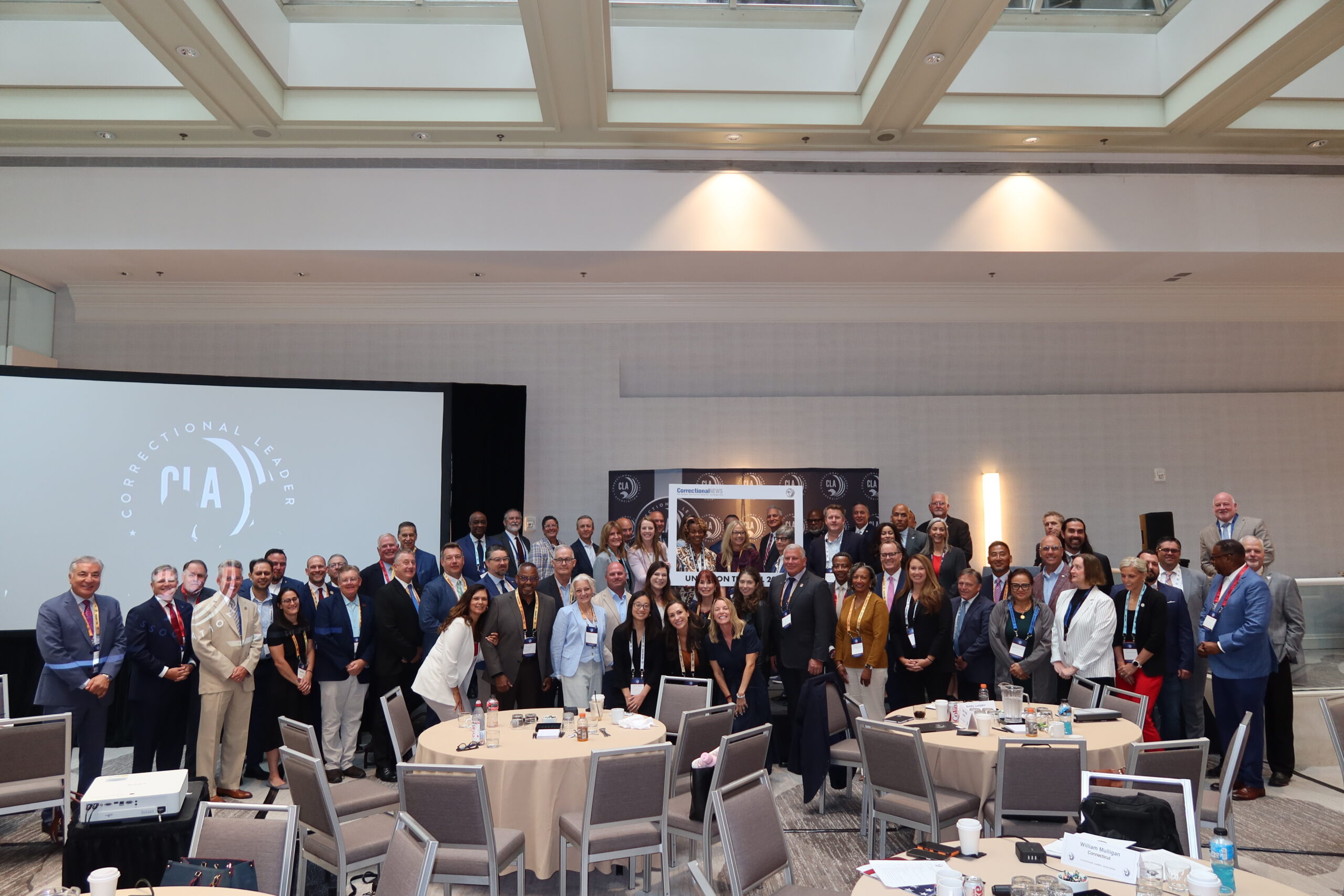
Corrections agency leaders gathered in Washington, D.C., this week for the Correctional Leaders Association’s annual CLA On the Hill event.
By Lindsey Coulter
WASHINGTON — Despite facing different operational challenges across their respective states, correctional leaders gathered in Washington with a shared agenda during the Correctional Leaders Association’s annual On the Hill advocacy event. This year’s discussions with members of Congress and federal agencies centered on three priorities: combating contraband delivered by drones and illicit cell phones, strengthening officer wellness initiatives, and preserving federal investments that support successful reentry.
The annual event gives state corrections leaders the opportunity to discuss national policy priorities directly with lawmakers while sharing the realities facing correctional systems. The accompanying Correctional News Media Center captured interviews with correctional leaders following their meetings on Capitol Hill.
Momentum Builds Around Drone and Cell Phone Interdiction
Among the issues generating the greatest consensus was the growing threat posed by drones and contraband cell phones. Leaders described drone deliveries as one of the fastest-growing security challenges facing correctional systems, introducing weapons, drugs, phones and other contraband while disrupting daily operations and rehabilitation programming.
The Georgia Department of Corrections, led by Commissioner Tyrone Oliver, has become one of the nation’s foremost departments in mitigating drone activity. Oliver said correctional agencies now need federal support to safely intercept and disable unauthorized drones before they reach prison grounds.
“When there’s intelligence that a drone may be delivering weapons into a prison, everything stops. Rehabilitation programs stop. Education stops. Movement stops,” Oliver said. “We have to secure the institution first, and that’s why this issue is so important. We’ve worked hard to secure mitigation authority for corrections, and now we’re waiting for the federal government to roll out the training and technology. Detection is important, but what we really need is the ability to safely bring drones down. As drone technology evolves, the criminal element evolves with it, and many of the tools we have today are already becoming outdated.”
Florida Department of Corrections Secretary Ricky Dixon said his meetings with members of Congress, the Federal Aviation Administration and Department of Justice officials demonstrated growing momentum around this key issue.
“We had the opportunity to meet with the FAA and with Acting Attorney General Todd Blanche,” said Secretary Dixon. “We were able to update them on exactly what correctional agencies across the country are facing with drones and contraband, and I left those meetings confident they understand our issues and support the direction we’re trying to move.”
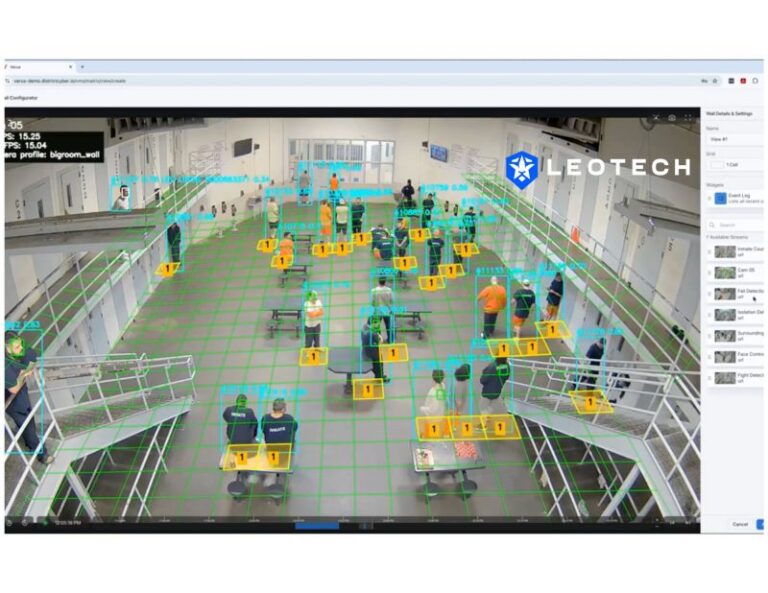
In meeting with Tennessee lawmakers, Tennessee Department of Correction Commissioner Frank Strada shared how his agency is building a statewide intelligence center that will integrate drone detection, response drones and artificial intelligence-enabled camera analytics to proactively identify security threats before they escalate. He also urged lawmakers to advance legislation allowing correctional agencies to disable contraband cell phones.
“A cell phone is just as dangerous as a weapon inside a prison,” Strada said. “It allows people to make calls we can’t monitor or trace, which can affect witnesses, court cases and criminal activity outside the prison walls. The ability to jam those phones would have a tremendous ripple effect across state and federal corrections. Stopping that level of contraband would dramatically improve safety for staff, incarcerated individuals and the public.”
Staff Wellness Remains a National Priority
While security dominated many conversations, correctional leaders also stressed that public safety begins with supporting the professionals responsible for operating correctional facilities.
Pennsylvania Secretary of Corrections Laurel Harry described staff members as corrections’ greatest resource, while outgoing Rhode Island Department of Corrections Director Wayne Salisbury said officer wellness has become one of the profession’s defining challenges as agencies work to recruit and retain qualified staff.
South Carolina Department of Corrections Director Joel Anderson, attending his first CLA On the Hill event, said the experience also reinforced the importance of ensuring correctional officers’ concerns are heard by policymakers.
“I’m here for y’all,” Anderson said, explaining that every meeting represented the voices of correctional employees back home.
Reentry Funding Remains Essential
The third major advocacy priority centered on preserving and expanding federal support for successful reentry through workforce development, education, housing assistance and Second Chance Act funding.
“Reentry is a huge part of what we do,” said Secretary Harry. “Eighty-seven percent of the people incarcerated in Pennsylvania’s state system will eventually return to their communities, and we want to make sure they have the resources to be successful when they leave. Workforce development, housing assistance and other reentry funding are all critical because public safety doesn’t end at the prison gate.”
New Mexico Corrections Department Secretary Alicia Tafoya Lucero said these federal investments are already producing measurable results through expanded educational and vocational opportunities.
“We’re here to make sure our elected officials understand the great work happening in our state, but we’re also asking for their continued support of the Second Chance Act,” said Secretary Tafoya Lucero. “Those investments have allowed us to expand college opportunities and technical education, and ultimately that’s what helps people return home, support their families and strengthen our communities.”
Relationships That Extend Beyond Washington
While the event focused on national policy priorities, leaders also pointed to the practical value of building relationships with lawmakers and congressional staff. Oregon Department of Corrections Legislative Director Harvey Mathews said those relationships proved immediately beneficial.
“My meetings with our congressional folks have been amazing,” said Mathews. “Just this morning I received a letter from the House Judiciary Committee… They connected me directly with committee staff, and I was able to formulate a response… That’s immediate value from this experience — it helped us with a critical situation.”
Mathews noted that Oregon’s priorities also closely align with CLA’s national agenda.
“We care about making sure our adults in custody are prepared for release and making sure they do not have access to drugs. That’s why all of the interdiction efforts and the work to stop drones that CLA is focusing on are really right in line with where we want to be.”
As this year’s advocacy event concluded, correctional leaders left Washington encouraged by the responsiveness they encountered from lawmakers and federal agencies. Conversations surrounding drone mitigation authority, officer wellness initiatives and continued reentry funding reflected growing recognition that correctional systems face increasingly complex operational challenges requiring coordinated federal and state solutions.
For many participants, the greatest value of On the Hill extended beyond individual meetings. By presenting a unified national agenda while sharing firsthand operational experience, correctional leaders reinforced the critical role corrections professionals play in shaping public safety policy — and ensured those responsible for managing the nation’s prisons had a seat at the table as federal priorities continue to evolve.
Visit the CLA On the Hill Media Center to watch the full interviews and explore exclusive coverage from the CLA On the Hill event.