



New Priorities Shape Correctional Construction Projects
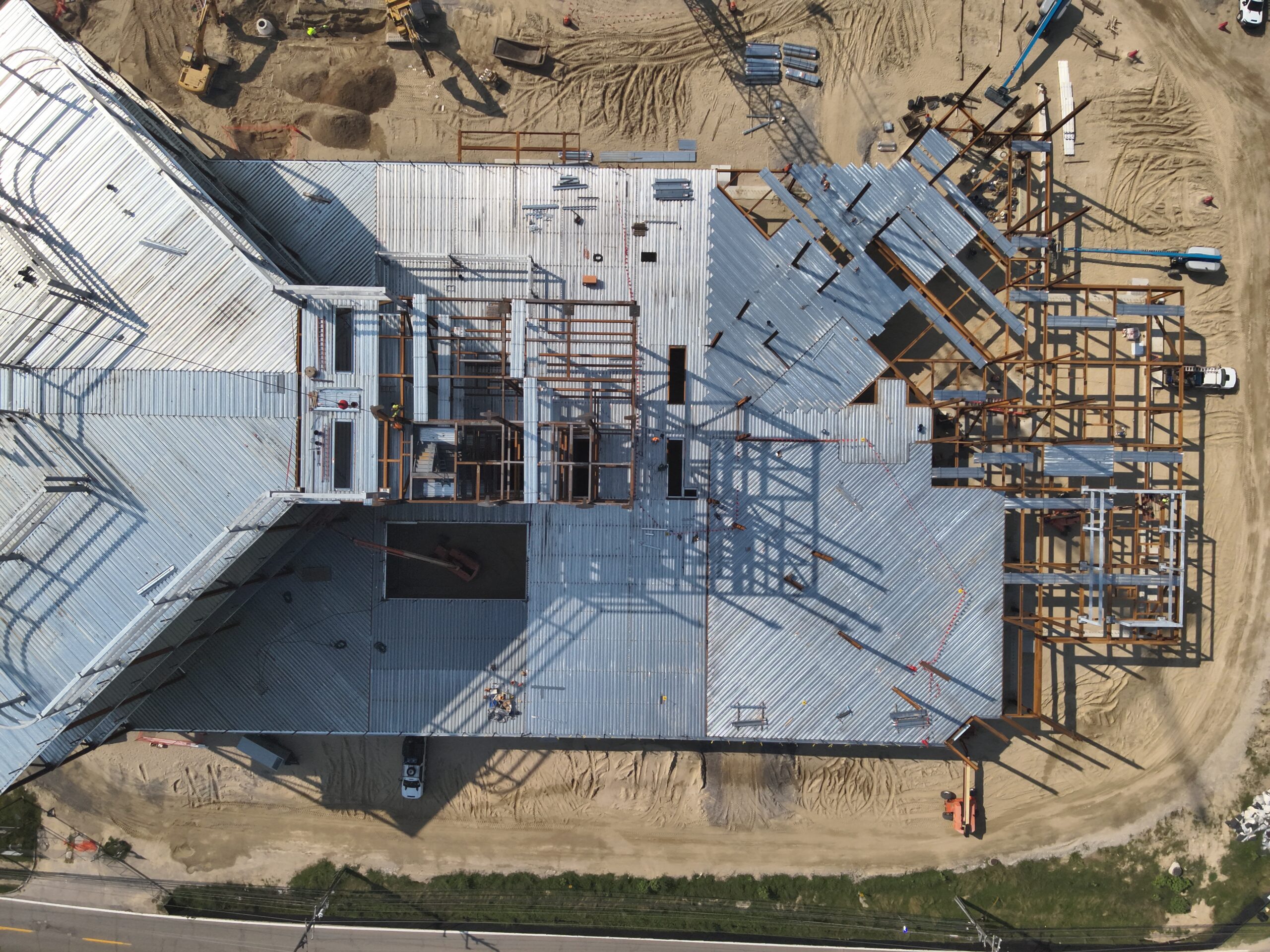
Despite market pressures, modular construction methods and digital tools are helping teams deliver correctional facilities more efficiently. | Photo Credit: Granger Construction
By Charlie Lange
As existing correctional facilities age and needs around rehabilitation, healthcare and staff wellness evolve, the demand for new or extensively renovated facilities that can accommodate these services has increased considerably.
Correctional News spoke with Todd Butler, Project Director with Granger Construction, who leads the company’s Public Sector Market; and John Wilke, Senior Vice President and Regional Director for White Construction, to learn how advances in technology, materials, and delivery methods are enhancing correctional construction and enabling agencies to build facilities that meet modern demands faster, even amid market pressures.
Aging Infrastructure Driving Demand
Butler and Wilke point to existing facilities nearing the end of their lifecycles pushing the need for new and renovated facilities. As many such facilities have already been renovated once, or even multiple times, agencies face the question of whether to invest in further renovations or replace facilities altogether.
“It seems everyone wants a new jail these days due to aging infrastructure and needing more space or updated facilities,” said Wilke.
As population requirements and industry best practices continue to evolve, Butler says that building new facilities for long-term flexibility is more critical than ever.
“Older facilities were often built with systems that make renovations and expansions difficult and costly,” said Butler. “Because most owners will only build a new correctional facility once in their careers, there’s a strong focus on creating facilities that can adapt over time. We are seeing greater emphasis on accessible building systems, planned expansion areas and construction methods that make future modifications more practical.”
Additionally, today’s facilities include more dedicated spaces for educational and vocational programming, along with enhanced safety features such as security mesh on upper-mezzanine levels instead of railings and walls between housing cells. Increased access to natural daylight, improved staff break areas, fitness and training facilities, and other dedicated wellness resources continue to be major trends.
“Over the past several decades, safety has expanded beyond traditional security measures to address evolving inmate populations, behavioral health challenges, and the wellbeing of both staff and incarcerated individuals,” Butler said.
Market Pressures Affecting Projects

Even as supply-chain challenges have cooled since the peak of the COVID-19 pandemic, rising construction costs and unpredictable material availability continue to impact the market.
“Escalation is forcing owners to make decisions earlier, prioritize needs more carefully, and focus on investments that will provide long-term value,” said Butler.
Some components that are critical to correctional projects, such as security systems, are supplied by a relatively small group of manufacturers, and new vendors that enter the market during periods of growth may not have the longevity to continue supplying projects during market downturns. In response, construction companies cultivate strong relationships with established manufacturers and vendors to stay ahead of the supply curve.
“We understand the importance of monitoring market trends, evaluating vendor stability and planning procurement strategies early in the process,” said Butler. “That proactive approach helps reduce risk, avoid delays and improve long-term project outcomes.”
Wilke agrees, adding that garnering community support and securing funding also remains a constant hurdle for projects within the corrections and justice markets.
“Funding constraints — in conjunction with labor shortages — cause extended schedules and drive up costs, requiring design and construction teams to work closely together to minimize challenges,” said Wilke.
Planning ahead and getting a clear picture of actual construction costs can also keep projects on track.
“Owners are balancing aging infrastructure, operational needs, public expectations and other community priorities, making early planning and reliable cost information more important than ever,” said Butler.
Modular Solutions

With demand high, and budgets and timelines tight, contractors are also incorporating new building methods and materials, including modular components, to deliver new facilities faster.
“Projects can benefit by manufacturing products offsite while construction is proceeding, allowing for just-in-time delivery,” said Wilke.
Butler agrees that modular options can lend predictability to a traditionally unstable process and help accelerate schedules and add to ease of maintenance down the line.
However, he cautions that they are not a one-size-fits-all solution, and that the benefits as well as the limitations must be evaluated equally.
“We evaluate each project individually, considering operational needs and market conditions, to determine the most effective and economical solution for the owner,” said Butler.
Digital Tools Enable Efficiencies
Other digital technologies are enabling efficiencies for construction teams. Butler says Granger’s in-house Virtual Design and Construction team uses Building Information Modeling (BIM) and virtual reality technology to help coordinate complex systems early, identify conflicts before they become rework, improve long-term maintainability and give owners greater visibility into how a facility will function before it is built.
“In corrections construction, where there is little room for error and changes can be costly, this technology helps confirm that work is installed exactly where it needs to be and prevents expensive rework,” said Butler.
“There are new tools, products, software and AI capacity literally evolving every day,” Wilke said, adding that these technologies help keep construction teams and owners, architects, engineers and other stakeholders on the same page.
“Collaboration and communication are the keys to success,” added Wilke. “Teams can stay informed on a daily basis and be all inclusive of owners, design, subcontractors and facilities, allowing for immediate resolution of issues including building information modeling, clash detection and collaboration.”
This article was originally published in the 2026 Planning & Construction edition of Correctional News.