





Caring for Justice-Involved Youth: The Ohio Department of Youth Services’ Model of Comprehensive Juvenile Healthcare
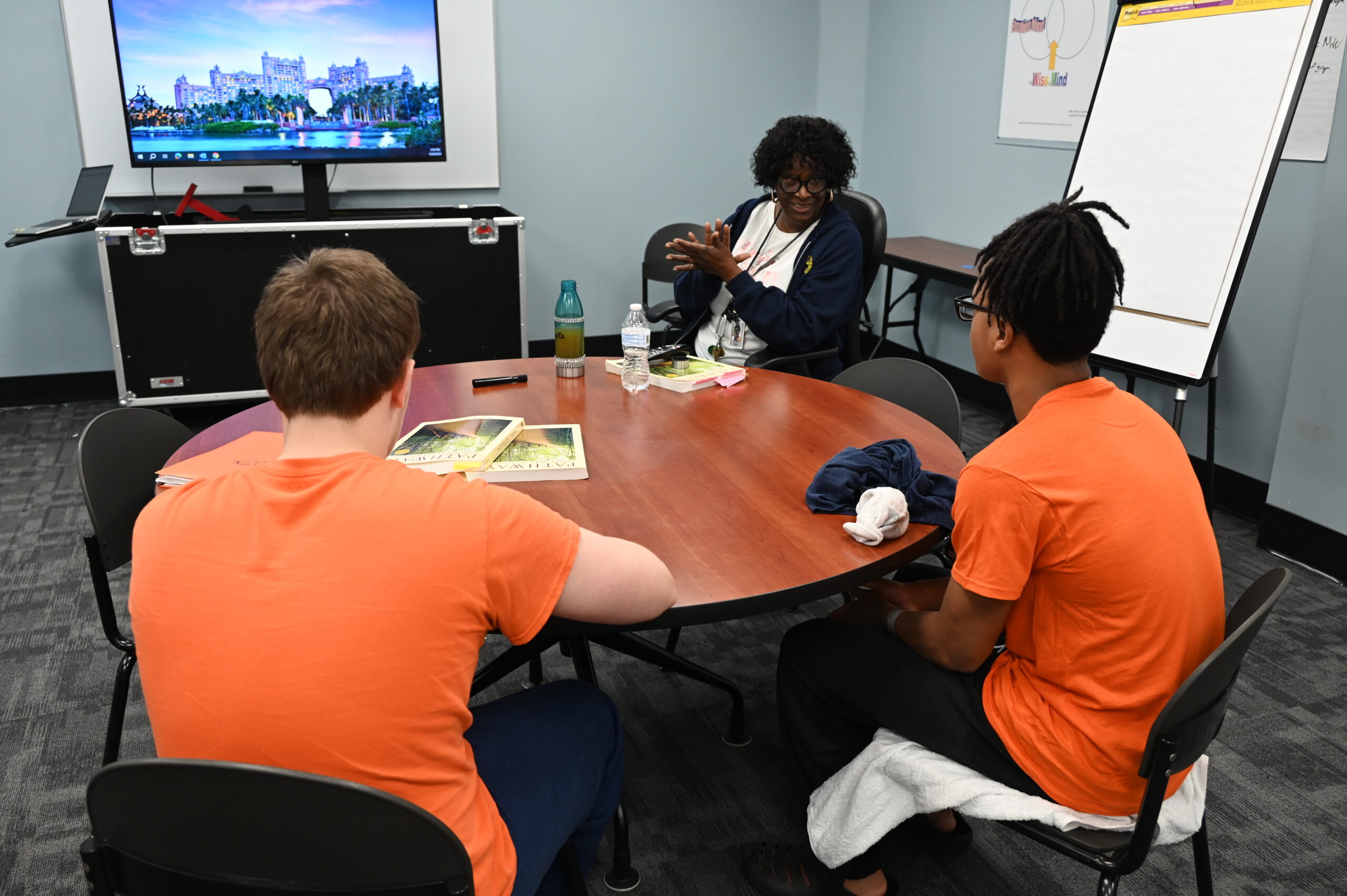
Photo: The department maintains an RN-to-youth ratio of 1:15, surpassing the staffing levels in many juvenile correctional systems nationwide. | Photo Credit: Ohio Department of Youth Services
By Mary Kate Francis, M.D., and Megan Stillwagon, RN, MPH
Caring for justice-involved youth demands a holistic, trauma-informed, developmentally appropriate approach that addresses not only their immediate needs but also fosters long-term health and well-being. Within this landscape, the Ohio Department of Youth Services (DYS) is committed to providing comprehensive healthcare and viewing its secure facilities not just as places of custody but as critical opportunities for intervention and education.
DYS is the juvenile corrections system for the state of Ohio for youth ages 10-21, adjudicated and committed by one of Ohio’s 88 county juvenile courts to one of the agency’s three state facilities. During a youth’s stay with DYS, they are engaged in education and programming designed to address their criminological and behavioral needs. As of Oct. 1, DYS had 450 youth within its three state facilities, with the average age being 17.8. Additionally, the average length of stay in FY25 for facility youth was nearly 17 months, with a mental health caseload of 81% of youth within DYS state facilities.
Beyond those in the facilities and on parole, DYS reaches thousands of youth through its funding and support of more than 600 community programs throughout the state, offering more than 93,000 youth opportunities and services to encourage positive change.
Meeting Medical Needs with Round-the-Clock Care
Nationally, law enforcement arrests approximately 1.3 million juveniles under age 18 annually (Teplin et al., 2015). For many of these youths, the justice system is their first consistent point of contact with healthcare. Studies show that nearly two-thirds of detained youth have at least one physical healthcare need, such as dental, vision or acute illness, and approximately 46% present with urgent medical needs upon entry (Sedlak & McPherson, 2010). Couple this with the fact that up to 90% of the youth report traumatic events, such as abuse, neglect, community violence or household dysfunction (Dierkhising et al., 2013). These figures highlight both the urgency and the opportunity to provide care within youth facilities.
Round-the-clock care is DYS’ approach to medical staffing in its secure facilities. Care is tailored to the clinical needs of the youth, rather than relying on a rigid, one-size-fits-all ratio. This commitment ensures each youth has access to necessary medical attention at any time.
Each medical clinic within DYS is managed by a Registered Nurse (RN) Health Services Administrator (HSA), who oversees all clinic operations and ensures timely delivery of care. Nursing coverage is available 24 hours a day, seven days a week. Typically, 2–4 nurses are on duty between 5 a.m and midnight, with one nurse providing coverage overnight. The department maintains an overall RN-to-youth ratio of 1:15, surpassing the staffing levels in many juvenile correctional systems nationwide.
Beyond the dedicated nursing staff, each of the three facilities benefits from a centrally located medical director, available 24 hours a day, and the presence of various on-site professionals: a medical doctor, psychiatrist and dentist who each dedicate 20 hours per week, and an optometrist who is on site once a month. Other specialty services are provided on-site as needed, or youth are transported off-site for essential appointments.
The impact of this approach is tangible, as reflected in dental services, where DYS has observed a significant increase in preventive dental encounters versus emergency encounters. This mirrors national data showing that incarcerated youth often enter facilities with high unmet oral health needs, making preventive care a marker of improved health behaviors (American Academy of Pediatrics, 2011).
Recent statistics highlight the effectiveness of this care model, showing a decrease in off-site diagnostics, surgeries and hospital admissions, while specialty consultations have increased. This signifies that more youth are receiving the quality preventive and specialized care they need within secure environments. The data also show a substantial increase in enrollment for chronic conditions, such as the most common diagnoses of asthma and seizures, demonstrating improved identification and management of health issues. The rise in chronic conditions among justice-involved youth accentuates the need for DYS to promote health literacy.
Mary Kate Francis, M.D., is the Medical Director for the Ohio Department of Youth Services.
Megan Stillwagon, RN, is Director of Nursing for the Ohio Department of Youth Services.
To learn more about how DYS helps justice-involved youth build health literacy, as well as the Department’s constant quality control efforts, read the rest of the article in the November-December 2025 Healthcare edition of Correctional News.