


Water System Failure at Montana State Prison Serves as a Wake-Up Call
Imagine being in a town of approximately 2,000 people and, suddenly, you have no water.
Like many sectors of the architecture, engineering and construction industries, corrections work is often led by longtime industry veterans, who lean on decades of experience and dozens of completed projects in their roles.
True reform can be difficult to achieve in corrections. Whether hindered by budgetary or legislative constraints, constantly rotating leadership, lack of public support or deep-seated, department-wide resistance to change, ambitious attempts to transform systems are all-too-often tabled for a continuation of the status quo.
In the first two articles in this series — The Detention Owner’s Fork in the Road: Five Exit Paths That Define Your Legacy — Not Just Your Valuation and The Corporate Shield: How Correctional Business Owners Protect the Enterprise While Building Optionality — we explored two foundational questions facing correctional industry business owners: Where are you going? And how do you protect the enterprise along the way?
Body-worn cameras in correctional facilities are doing the critical work of collecting high-quality video and audio evidence — and much more.
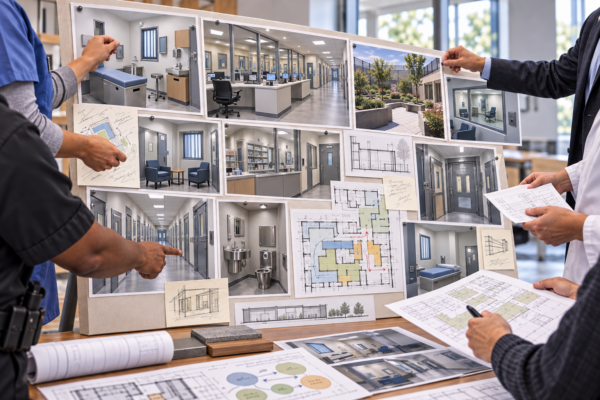
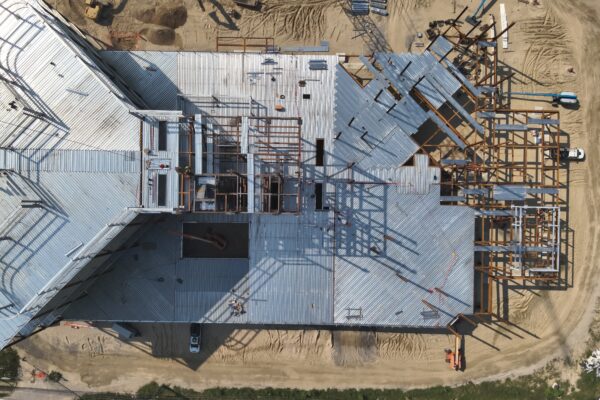
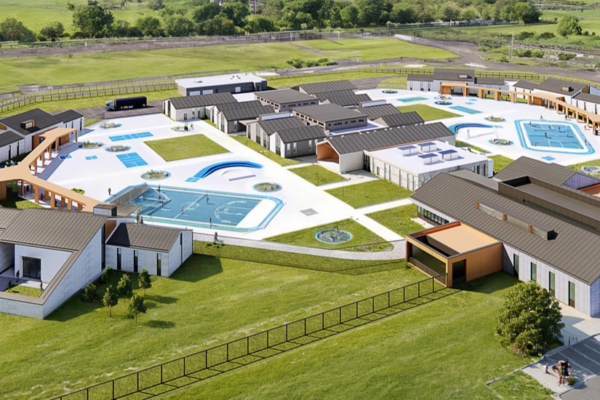
When justice populations expand and operations broaden, many communities must decide whether to either renovate existing buildings or invest in replacements — often balancing nuanced decision-making against tight timelines and limited resources.
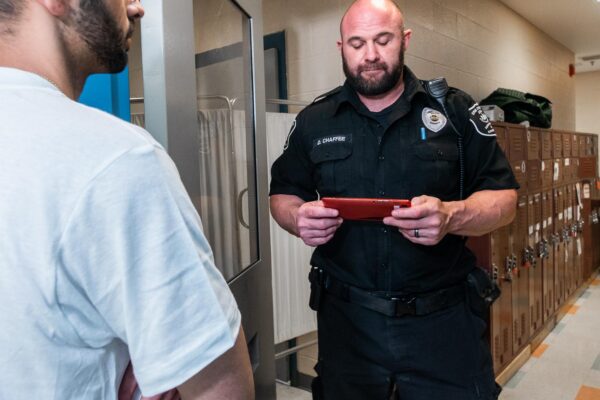
In recent years, correctional systems across the country have expanded the use of digital tablets to increase access to rehabilitative and educational programming, strengthen connections with the outside world, reduce idleness among incarcerated populations, and as a result, more agencies are recognizing the significant benefits this technology can provide.
Since his official appointment in April 2025, Federal Bureau of Prisons (BOP) Director William K. Marshall III has already presided over an eventful tenure.
I wasn’t planning a career in corrections.
To maintain order in correctional facilities, strict key control policies are essential.