



Transformation on Tap for Florida Courthouse Plaza
Community meetings have begun in Jacksonville, Fla., for those interested in voicing their artistic visions for the Duval County Courthouse Plaza.

Community meetings have begun in Jacksonville, Fla., for those interested in voicing their artistic visions for the Duval County Courthouse Plaza.
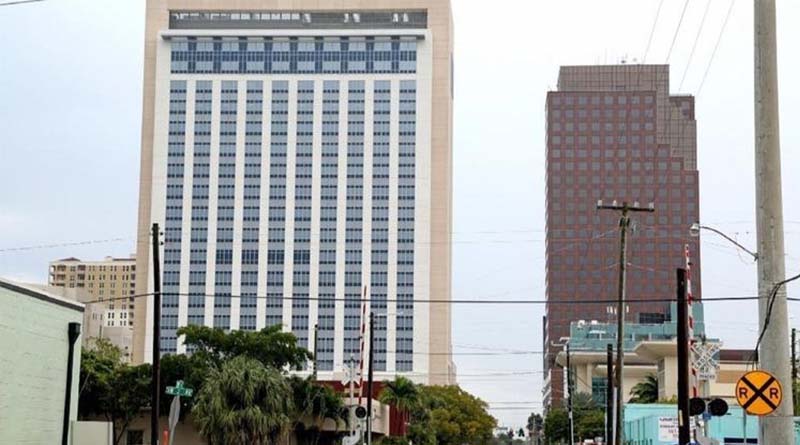
By CN Staff FORT LAUDERDALE, Fla.—Construction has stalled on the nearly $200 million courthouse project in Broward County in Fort Lauderdale, Fla. because of a contract dispute. The South Florida Sun-Sentinel recently…
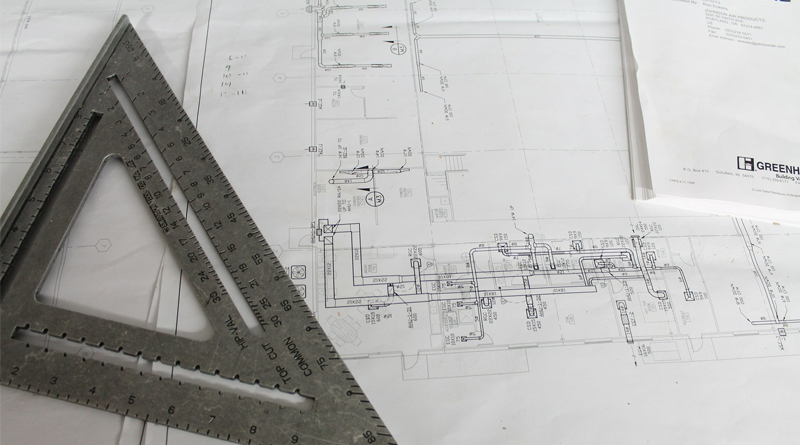
The city of Tallahassee is moving forward with plans for its new public safety campus by recently selecting local company Ajax Building Corp as construction manager at risk for the project.

The Escambia County Board of County Commissioners welcomed William R. Powell as their new Director of Corrections, with responsibilities that include oversight of the Escambia County Jail, Community Corrections Division…
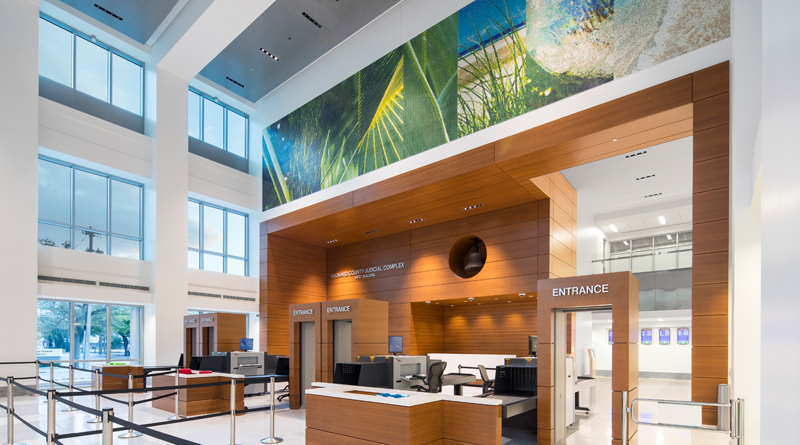
The Broward County Courthouse has earned high marks from the U.S. Green Building Council (USCBC) for its strong environmental performance and sustainable design, receiving LEED Gold certification.
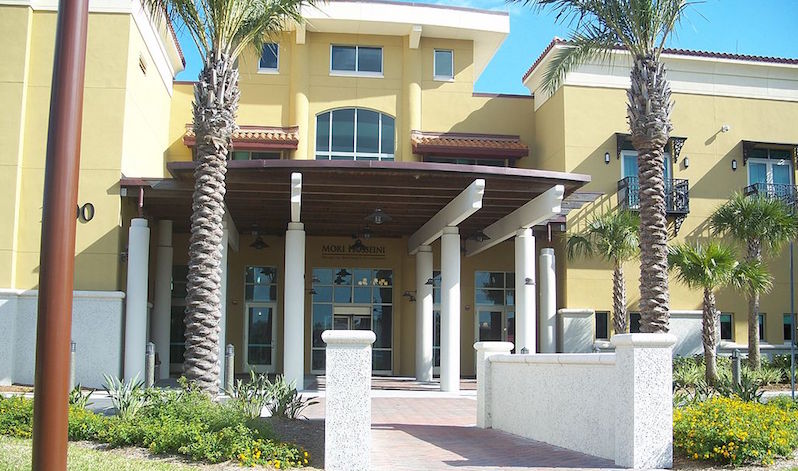
One enterprising Florida prison is partnering with a Daytona State College on a program that aims to not only keep former inmates away from reoffending, but also with the added bonus of addressing the state’s rather grave deficit in the availability of construction workers.
LONDON — Prisons in the U.K. are planning to ban cigarette smoking in facilities by 2015. BBC reported that an estimated 80 percent of inmates in the U.K. are believed to be smokers. In a strange swap, the Prison Service said that after the ban is in place, nicotine patches will be offered to inmates as a “substitute.”
“We are considering banning smoking across the prison estate and as part of this are looking at possible sites as early adopters,” said a Prison Service spokesman to BBC.
LONDON — A report issued by The Prison Reform Trust here finds that children with emotional and mental health needs are more likely to go to prison than other young people because the Youth Justice System does not recognize their special needs.