




Where Public Health Meets Public Safety: What Healthcare Design Can Teach Us About Modern Justice Facilities
For decades, justice facility planning centered on security, operational efficiency and durability.

For decades, justice facility planning centered on security, operational efficiency and durability.
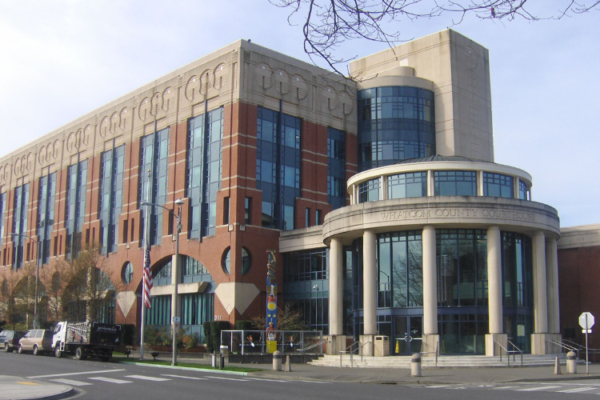
The Whatcom County Council in Washington has authorized the next stage of its long-planned replacement jail project, approving a program of approximately 150,000 to 155,000 square feet and 450 to 460 beds under a $205 million design and construction cap.

STV has named Codi M. Newsom, PE, LEED AP, as Vice President and Justice Market Pursuit Leader within the firm’s national buildings group, adding another senior leader to support the company’s growth strategy in the justice sector.

Multinational architecture, engineering and professional services firm STV has appointed Markus Weidner as its first Chief Technology Officer, creating a new executive role aimed at accelerating digital transformation, AI adoption and technology-driven project delivery.

Project managers working on the $229 million Macomb County Jail project in Mount Clemens, Mich., recently told the county Board of Commissioners that the project is on time and under budget at the halfway point.

As the justice system evolves, so must the environments in which it operates. Four justice architects joined Correctional News’ design roundtable to delve into the latest trends, challenges, and standout projects influencing the future of justice architecture.
STV, a professional services firm that plans, designs and manages infrastructure projects across North America, and PARTNERS in Architecture, a Mount Clemens, Mich.-based architectural firm known for exceptional leadership, thoughtful planning and great service, announced on September 18 that they are partnering on the design of a new Central Intake and Assessment Center for the Macomb County Jail and Sheriff’s Office in the Detroit metropolitan area
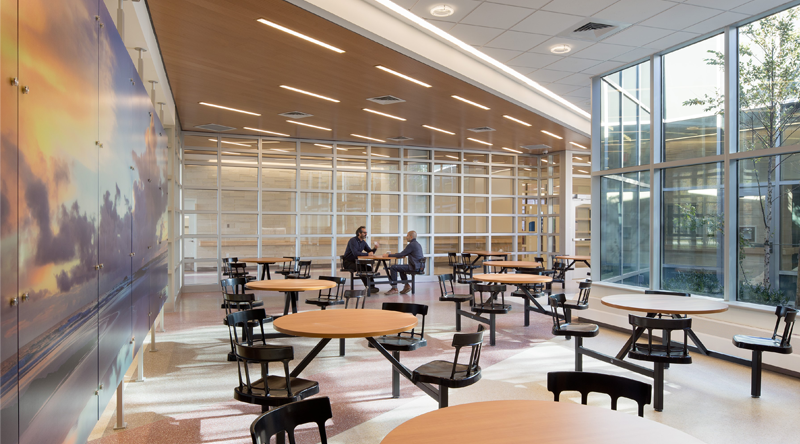
In the pursuit of a restorative and healing justice system, the relationship between building environments and operational culture presents a key opportunity for driving positive change.