


Designing for Healing in Correctional Environments
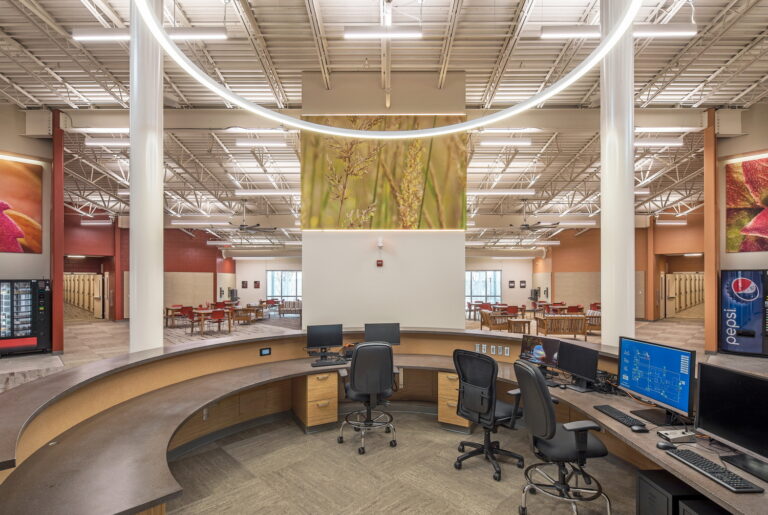
Historically, correctional facilities were cold, institutional and not places that promoted healing.

Historically, correctional facilities were cold, institutional and not places that promoted healing.
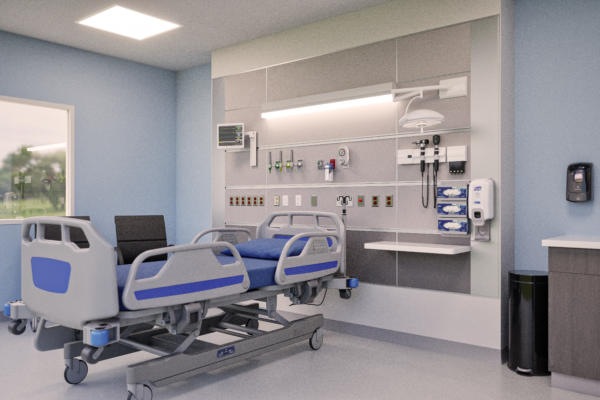
A pressing question for correctional agencies is how to deliver environments that accommodate changing clinical needs while remaining practical to build, maintain and operate over the long term.
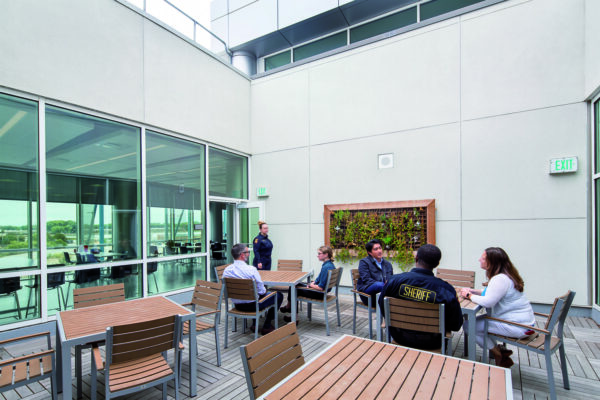
For decades, correctional design has evolved beyond simply containing incarcerated populations.
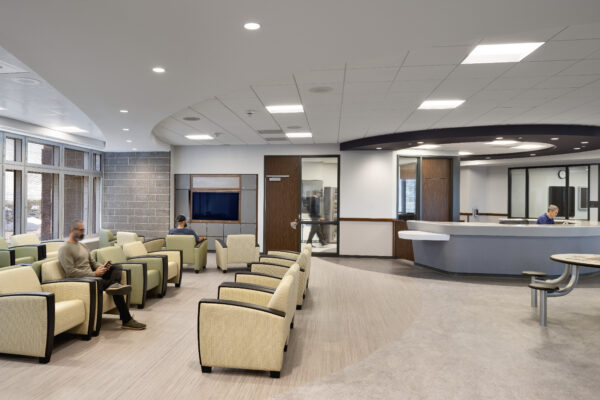
For decades, justice facility planning centered on security, operational efficiency and durability.
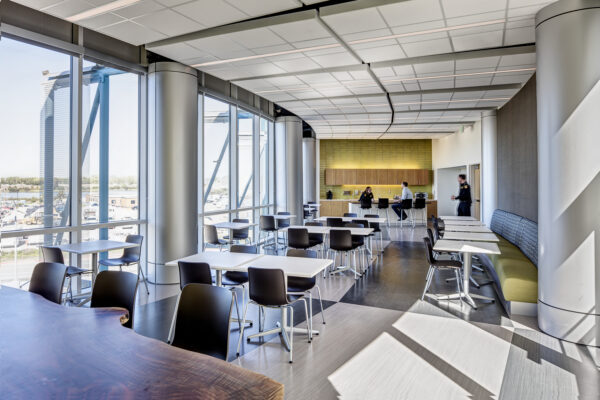
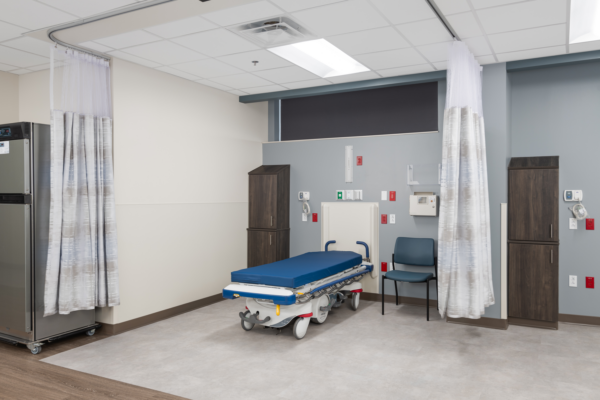
Designing correctional facilities as public health infrastructure requires more than improving conditions inside housing units.
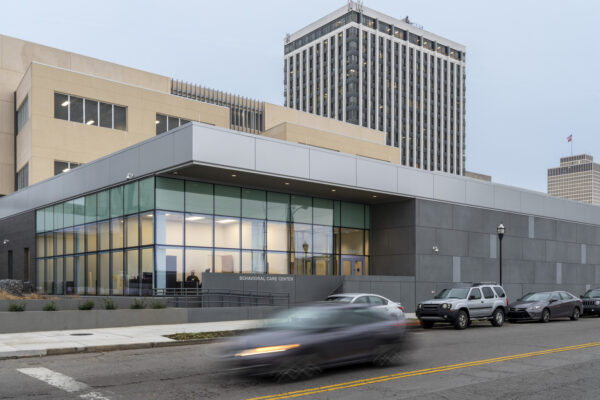
For much of the 20th century, correctional facilities were designed as instruments of containment — hardened, inward-facing environments optimized for control, efficiency and separation from civic life.
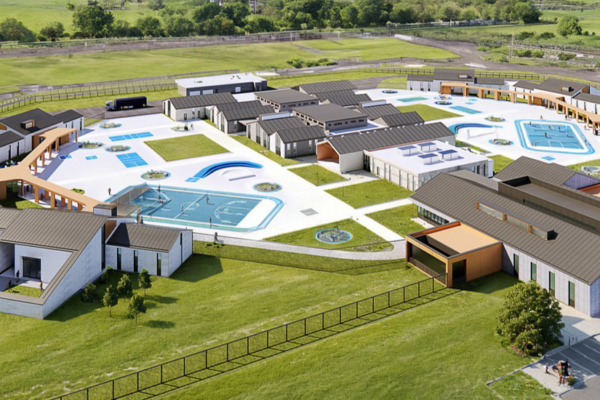
In late 2023, Ohio Gov. Mike DeWine established the Juvenile Justice Working Group (JJWG) to conduct a thorough and holistic review of the state’s juvenile justice system.

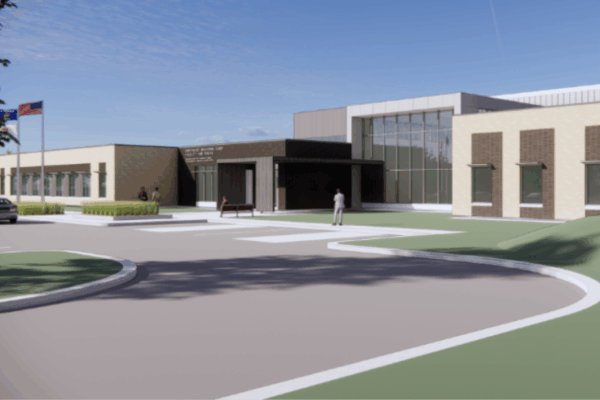
Williamson County, Texas, officials marked a construction milestone July 10 for the county’s Juvenile Justice Center expansion, celebrating the topping out of the new addition building.
In the corrections field, there aren’t many one-size-fits-all solutions.
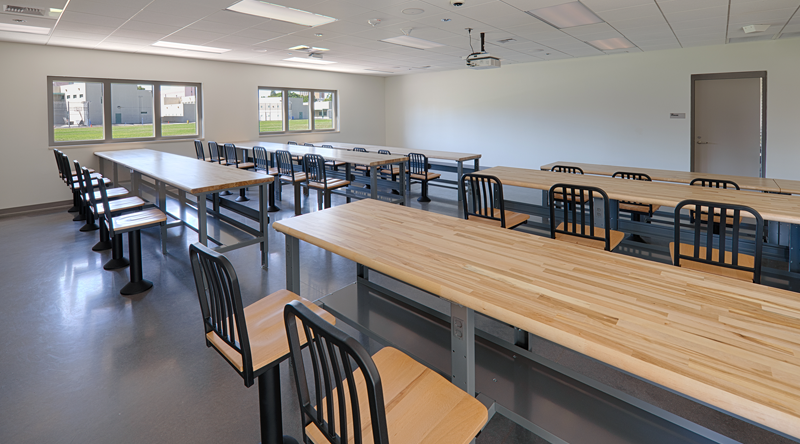
There is abundant research available regarding best practices for K-12 educational facilities, and numerous organizations and conferences dedicated to studying, advancing, and implementing these best practices and trends.