




A Year of Progress: 2025 Correctional Trends In Review

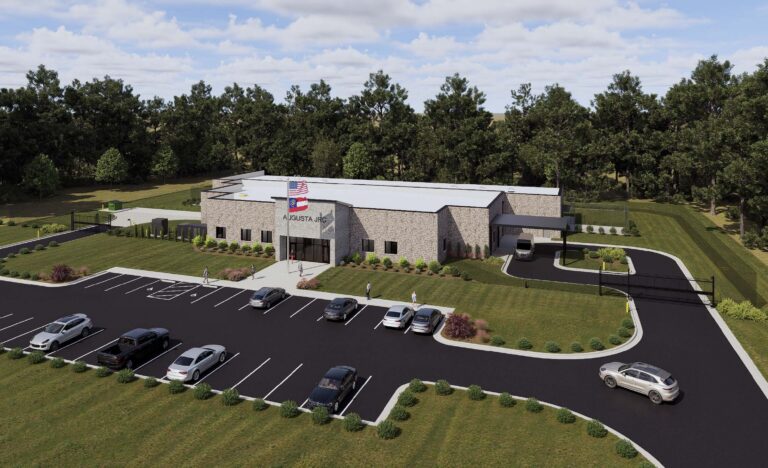
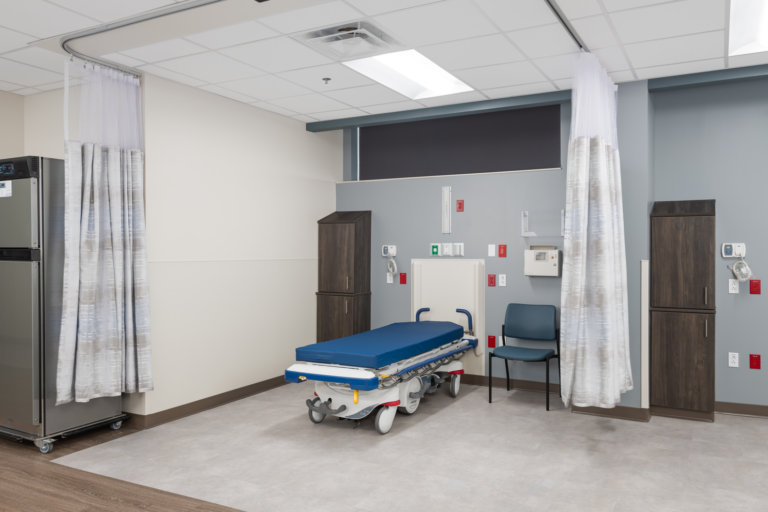
Design methods, workforce issues, new technologies and legislative policies were just some of the topics covered in Correctional News in 2025. | Photo Credit: Thomas Seabury
By David McRoberts
The 2025 editorial year of Correctional News reflected an evolving field where infrastructure, staff wellness and operational reform intersect more closely than ever. Across its monthly issues in 2025, Correctional News consistently emphasized the relationship between thoughtful facility design, humane operations and the realities of staffing and budgetary pressures that define the modern corrections environment.
Early in the year, Correctional News’ reporting highlighted the growing influence of biophilic and humane design principles in correctional architecture. Case studies featured in 2025 editions demonstrated how natural light, organic materials and intentional landscape integration are being incorporated into secure environments. These approaches covered in Correctional News are not merely aesthetic; they serve operational and therapeutic purposes — reducing stress, minimizing incidents and supporting the rehabilitative mission that many agencies now embrace.
Another major theme threaded throughout 2025 coverage was the correctional workforce crisis, as agencies nationwide continued to face challenges related to staffing shortages, turnover and burnout. It is clear that no jurisdiction or facility is exempt from this reality.
Multiple features examined the human toll of chronic overtime and the strain of managing high-risk populations under resource constraints. The magazine documented growing interest in structured wellness initiatives, peer support teams and improved shift-scheduling models. Editorial analysis positioned staff well-being as both a moral imperative and a critical safety issue, urging correctional leaders to treat workforce health as a strategic investment rather than a peripheral benefit.
Facility construction and modernization remained a core area of focus. Numerous state and county jurisdictions launched or advanced capital projects aimed at replacing aging jails, expanding behavioral health capacity and integrating flexible housing models. The magazine’s “Projects to Watch” features highlighted innovative funding approaches, including phased construction and public-private partnerships. These stories also underscored a broader shift: capital planning now sits squarely within community and political conversations about justice reform, making transparency and stakeholder communication more vital than ever.
A separate stream of coverage examined operational adaptation to environmental and public health pressures. Correctional News reporting during 2025 showed that facilities across multiple climates are grappling with the need to retrofit HVAC systems, expand cooling areas and upgrade medical infrastructure to meet regulatory and humanitarian standards. These reports linked facility improvements to both safety outcomes and litigation avoidance, demonstrating that proactive maintenance and modernization are no longer optional — they are central to compliance and risk management.
The magazine also expanded its event and leadership coverage in 2025. Reports from the Correctional News Leadership Forum and the Corrections Summit captured a strong appetite for cross-disciplinary dialogue among architects, sheriffs, commissioners, facility administrators and other stakeholders. Additional reporting during 2025 indicated that participants discussed the interconnectedness of design, technology and policy, emphasizing the need for integrated strategies that balance accountability with rehabilitation. The resulting features portrayed a field moving beyond isolated silos toward collaborative, data-driven problem solving.
This year, Correctional News also revisited the constant reality of collaboration between law enforcement and corrections in its pages. With the increased demands on the entire criminal justice system — whether from mental health crises, substance use disorders, staffing shortages or rising public scrutiny — the need for unity matters more than ever.
Collaboration is not merely a strategic advantage; it is an absolute necessity. The critical importance of law enforcement and corrections recognizing each other not as separate systems, but as partners in a common cause is that it results in safer institutions, healthier communities and a more just and effective system for all.
Technology adoption emerged as both an opportunity and a cautionary tale. Throughout 2025, Correctional News reported on creative and innovative deployments — ranging from perimeter surveillance to digital record integration — while maintaining a balanced view of cost versus benefit. The publication repeatedly noted that while automation and data systems can enhance safety and efficiency, they succeed only when paired with adequate staff training, oversight and measurable performance metrics. The magazine’s editorial stance urged decision-makers to demand evidence-based results rather than vendor promises.
Another continuing thread in 2025 involved correctional healthcare delivery. As reported in 2025, changes in medical-service contracts and vendor transitions had direct effects on both care quality and liability exposure. The magazine’s analyses reinforced the idea that healthcare procurement now occupies a central role in correctional management, affecting litigation risk, operational stability and public perception. Reports encouraged agencies to build strong oversight mechanisms and performance-based accountability into medical contracts to ensure consistent service and transparency.
Finally, Correctional News captured the policy backdrop that influences every operational and construction decision. Coverage of legislative reforms, bond measures and judicial rulings showed how correctional agencies are navigating shifting expectations around incarceration, treatment and community reentry. These stories made clear that correctional design and daily operations no longer exist in isolation — they are part of a broader civic dialogue about safety, fiscal responsibility and human dignity.
Taken together, the 2025 reporting in Correctional News delivered these enduring insights for practitioners and policymakers:
- Facility design is a frontline operational tool. Thoughtful architecture directly influences safety, rehabilitation and staff morale.
- Workforce well-being defines institutional resilience. Sustainable staffing requires investment in mental health, flexibility and culture.
- Accountability must accompany innovation. Technology, contracting and modernization succeed only when supported by training and measurable results.
- Law Enforcement and Corrections. These entities must remain collaborative, operating as part of — not apart from — the criminal justice system.
Through consistent, evidence-based reporting, Correctional News in 2025 demonstrated that the future of corrections lies in integration — linking design, health, policy and human capital into a unified framework. The magazine’s coverage underscored that progress in this field depends not on isolated reforms, but on collaboration across every discipline that touches the correctional environment. To this end, Correctional News strives to remain the premier source of news and insights for the justice community.
David McRoberts, CPP, is a retired sheriff’s captain and jail administrator from the Kenosha County Sheriff’s Department in Wisconsin. McRoberts now serves as a consultant with Assured Assessments Inc. He is a valued member of Correctional News’ Industry Knowledge Council, as well as an Advisory Board Member with the International Law Enforcement Educators and Trainers Association (ILEETA).