




SEC and DEC Best Practices to Improve Staff and Inmate Environment Conditions
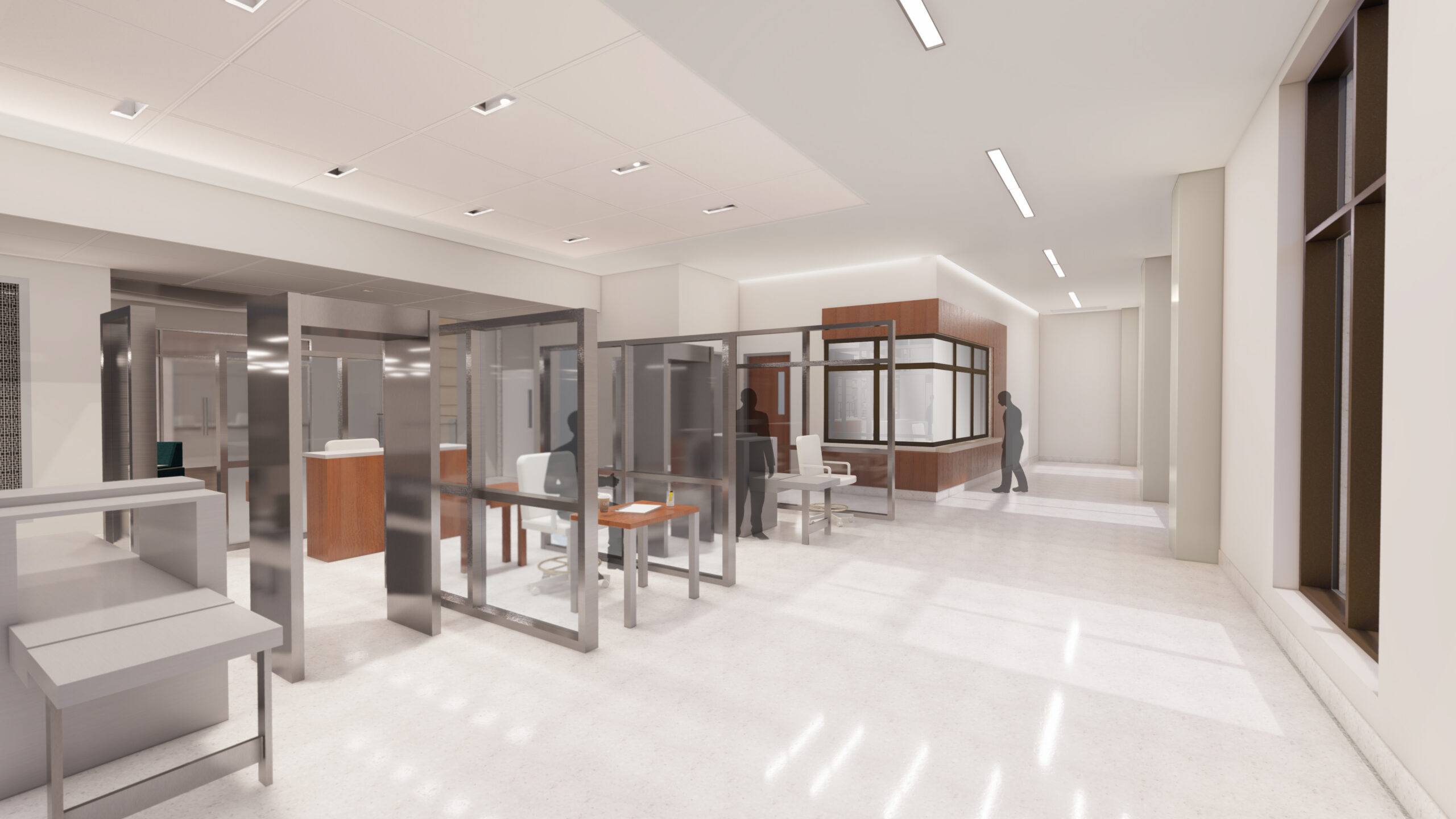
By employing the latest in security electronics and evidence-based detention equipment design, correctional operators are modernizing their facilities, increasing safety and improving staff recruitment and retention. | Photo Credit (all): Dewberry
By Brooke Martin and Craig Clary
To provide the right solutions when it comes to security electronics, technology design and detention equipment selection, it is important to examine the built environment, staffing ratio and long-term staff numbers.
Correctional staffing has been in decline. According to the 2022 U.S. Census Bureau’s Annual Survey of Public Employment & Payroll, state prison systems are facing a severe, multi-year staffing crisis. The number of correctional officers has dropped by 23% from 2012 to 2023.
A 2024 Marshall Project article titled “New Data Shows How Dire the Prison Staffing Shortage Really Is” notes that, “Pay alone is not enough to retain staff if prisons also neglect fixing the poor working conditions that lead to officers quitting: mandated overtime, poor mental health support and violence.” The solution to improving staff retention in prisons should address general safety and environmental concerns.
Prioritizing the safety and wellbeing of corrections officers and those incarcerated requires the prioritization of hiring, training and retaining staff — none of which can be done in a vacuum. The built environment should also be prioritized so that available technology, equipment and infrastructure support improves operational policies and skillsets.
Due to aging structures, many states are moving toward modernization, which involves either significant retrofitting or replacing old, high-maintenance facilities with new, smaller, tech-enabled buildings. Security electronics design in corrections spaces is rapidly evolving toward artificial intelligence (AI)-driven, proactive systems that integrate internet of things (IoT) devices, analytics and enhanced tablets to improve staff safety and facility efficiency. This includes trends like AI-enabled video analytics for behavior detection and the increase of wearable/tablet technology.
Trends being monitored in security electronics design and detention equipment spaces include:
- AI and analytics integration: Correctional facilities are moving from reactive to proactive strategies using AI-driven video analytics to detect anomalies, such as potential fights or unauthorized access, in real-time.
- Intelligence-led platforms: Systems that unify voice, video, text, and metadata to help facility staff identify risks and emerging threats.
- Corrections-grade technology: Specialized tablets now include tamper detection, GPS tracking and fingerprint scanners to enhance security while supporting rehabilitation.
- Perimeter and sensor fusion: Advanced, armored sensors and fusion engines are used to combine data from cameras and fence sensors to reduce false alarms and improve detection rates.
- Modular security systems: New builds and renovations use modular, high-security electronics and furniture that are designed for flexibility and durability.
Corrections staff have many challenges in their line of work: meeting required minimum staffing levels and ratio requirements, burnout, and general inexperience. According to research from the Prison Policy Initiative, those employed in corrections facilities can have higher rates of absenteeism (from work) and decreased physical and mental health. Staffing shortages often mean larger caseloads per officer and limited time to interact with inmates. This combination of factors can create a culture of increased stress, higher safety risk and additional work hours, ultimately lowering morale. Additionally, a larger group of inexperienced employees leads to a need for more training — contributing to more safety and operational risks.
Integrating the right technology and equipment into the built environment alleviates some staff pressures by making hourly and daily operations safer and more streamlined. AI and technology will never replace human contact, direct supervision and relationships, but it can provide additional support when staffing numbers are down.
Some smaller, tech-driven solutions could look like:
- Smart heating, ventilation and air-conditioning (HVAC) and lighting: Sensors that adjust lighting and temperature based on occupancy, saving energy. Smart tech features allowing the ability for lighting to follow circadian rhythm increase wellness for staff and those incarcerated.
- Advanced security: Biometric access, AI-driven surveillance, and centralized management systems can help identify quarantine issues early, support central control staff and streamline data.
Why is this important? And how can architects and security electronics technology designers help?
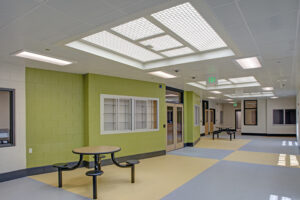
Two principles that explain the “why” remain at the heart of justice design: dignity and equity. Proven solutions centered on human dignity exist. Designers must turn their focus to evidence-based strategies that address the ongoing needs of the community served. Examples include:
- Harm reduction through normative, ligature-resistant design in the detention equipment selected. The available choices that follow wellness but are robust in their build and longevity.
- Reduce sensory triggers through special attention to color, texture, lighting, air quality, acoustics, curves and sightlines, based on research published in the Personality and Social Psychology Bulletin and the International Journal of Prison Health.
- Integrating new technology into older buildings. When integrating newer technology or safety requirements into older structures, there should be a balance between the original form and function of the building and the need for modern functionality along with the sustainability of the original building. The focus should be to enhance and not just replace original character.
- Designing technology for new buildings should emphasize integration, sustainability, occupant wellness or safety, and future technologies’ readiness. It should move beyond smart tools or devices and focus on how tech can create cohesiveness and a responsive environment. Staff training on new technology is paramount so staff can fully use the technology and software.
Aligning staff with supportive technology and equipment to support this type of environment is important. Designers who have expertise with these critical spaces and with related standards and programs can create better environments that support staff retention and morale as well as the safety and wellness of those incarcerated.
Brooke Martin, AIA, CCHP, NCARB, is a senior associate and justice architect with Dewberry and a valued member of the Correctional News Industry Knowledge Council.
Craig Clary, DBIA, PMP, is a senior project manager and security designer with Dewberry.
Look out for more SEC and DEC coverage in the upcoming 2026 Security Electronics and Detention Equipment issue of Correctional News. Subscribe now to receive the print and/or digital edition.