



A New Model for Youth Corrections in the Midwest
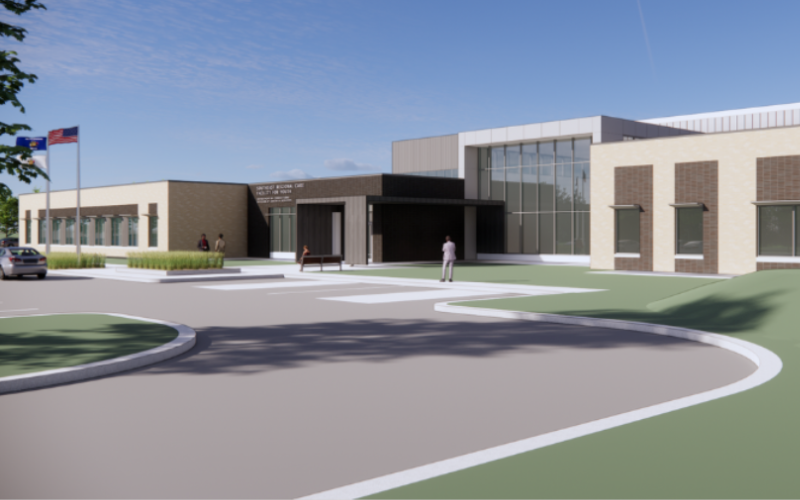
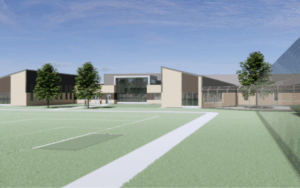
A new Type 1 juvenile detention facility in Dane County, Wis., is part of the state’s multi-pronged plan to replace the Lincoln Hills and Copper Lake Schools with smaller facilities that are placed closer to the communities their populations come from. | Photo Credit: Wisconsin Department of Corrections
By Charlie Lange
In the corrections field, there aren’t many one-size-fits-all solutions. Trends can be difficult to pinpoint, and what works for some states or counties in terms of size and scope of facilities might not fit best for others.
While some states embark on building massive new “mega-prisons” in remote rural settings — such as the 3,000-bed prison in Franklin County, Ark., two separate 4,000-bed prisons in Elmore and Escambia Counties in Alabama, and the 1,500-bed South Dakota State Penitentiary replacement — others are embracing facility designs that house smaller populations and seek to keep connections with their surrounding communities.
The juvenile justice space is one area where bigger doesn’t always equal better. In two midwestern states, efforts are underway to build new juvenile corrections facilities with smaller housing units, lower youth-to-staff ratios, more holistic rehabilitative services and a focus on keeping juvenile offenders close to their support systems.
Ohio: Community Connections are Key
In Ohio, a juvenile justice overhaul is underway.
One major effort centers on the Ohio Department of Youth Services’ endeavors to build new community corrections facilities (CCFs) across the state. CCFs are smaller, local alternatives to placement in state DYS facilities for certain youth adjudicated with felony offenses that offer targeted and personalized treatment, care and rehabilitation.
In August, $30 million was awarded to build a new CCF in Cuyahoga County. The 32-bed secure residential treatment center in the Central neighborhood of Cleveland will house male and female youth. While there are currently 11 CCFs in operation in Ohio, the Cuyahoga CCF will be the first located in one of the top three counties that commit the most youth to the ODYS system.
The Cuyahoga CCF will partner with an extensive network of grassroots organizations for support services, including mentorship, restorative justice and reentry services. ODYS Director Amy Ast said the county plans for a trauma-informed approach to heal and rehabilitate youth and help them transition back home. She also said ODYS plans to request funding for another CCF to be built in Franklin County or Hamilton County.
In addition to the CCF model, the state most recently authorized $130 million to build a total of four new 36-bed youth facilities in Bedford and Grafton, part of its mission to close the Cuyahoga Hills Juvenile Correctional Facility.
The Cuyahoga Hills complex was built more than 50 years ago and houses the highest-risk and highest-needs youths in the state in an open dorm design, which ODYS says presents a security risk, leading to incidences of violence and challenging staff.
Together, the new facilities — two in Grafton and two in Bedford — will house 144 youths across multiple 12-bed housing pods and feature new classrooms and vocational training spaces, mental health treatment, and indoor and outdoor recreational areas. The Bedford site in particular will be surrounded by green space to support a more therapeutic environment, according to reporting from Cleveland.com.
Gilbane Building Company is serving as construction manager on those projects.
Wisconsin: Turning the Page on Troubled Facilities
Similarly, Wisconsin is planning a major shift in its juvenile justice model as it seeks to close two of its most problematic facilities for youth offenders and replace them with smaller, modern facilities situated closer to the youth populations they will house.
In October, the Wisconsin State Building Commission approved $743 million for construction projects across the state, including $15 million specifically earmarked for corrections. By December, the Commission had released $185 million to get some of those projects started — including what Gov. Tony Evers calls a “domino series” of projects intended to revamp the state’s correctional facilities.
While Gov. Evers’ strategy is headlined by the efforts to close the troubled, nearly 130-year-old Green Bay Correctional Institution for adults, it also calls for the closure of the Lincoln Hills School for Boys and Copper Lake School for Girls, two juvenile detention facilities built together on a campus in Irma.
One of the largest juvenile facilities in the country, Lincoln Hills and Copper Lake were built to house over 500 youth offenders and have been plagued by violence, staffing issues and high recidivism rates, according to reporting from Wisconsin Watch. In 2018, the Wisconsin Legislature ordered both facilities to close, but efforts to build replacement facilities have been delayed since then.
Now, Wisconsin will move forward with plans to build a new Type 1 juvenile correctional facility in Fitchburg, located in Dane County. That facility will only have 40 beds, allowing for a lower staff-to-youth ratio, as well as mental health and counseling services and more educational and recreational opportunities. With the latest funding approvals, the state hopes to release an RFP for construction work this year.
Currently, Lincoln Hills and Copper Lake, which are operated by the Wisconsin Department of Corrections, are two of the three Type 1 facilities in the state. However, the Dane County facility will be the state’s second Type 1 juvenile facility approved for construction in recent years. In 2023, a Type 1 facility in Milwaukee was approved for construction; work is currently underway on the $30 million, 32-bed project, with completion slated for later in 2026.
Officials project that the Dane County facility will be finished in late 2028, and the Lincoln Hills and Copper Lake facilities will close in 2029 before being converted to a medium-security adult facility.
“Research shows that smaller, regional juvenile facilities provide significant benefits, including keeping youth closer to their families, increasing access to mentors and volunteers, and offering more effective programming in a treatment-based environment,” Gov. Evers office said in a statement after the latest round of funding was approved.