

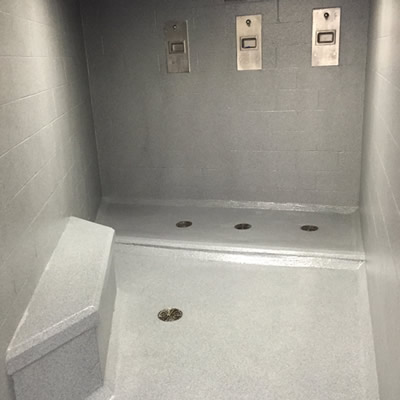
The Value of Facility Assessments
Regardless of the industry, facility assessments are a vital tool for supporting organizations in achieving their goals, particularly for the future.
After more than a decade of attending International Corrections & Prisons Association (ICPA) conferences, I continue to be inspired by how this community reimagines the purpose and practice of corrections.
As artificial intelligence (AI) begins to shape every aspect of correctional systems, healthcare stands out as one of its most promising yet complex frontiers.
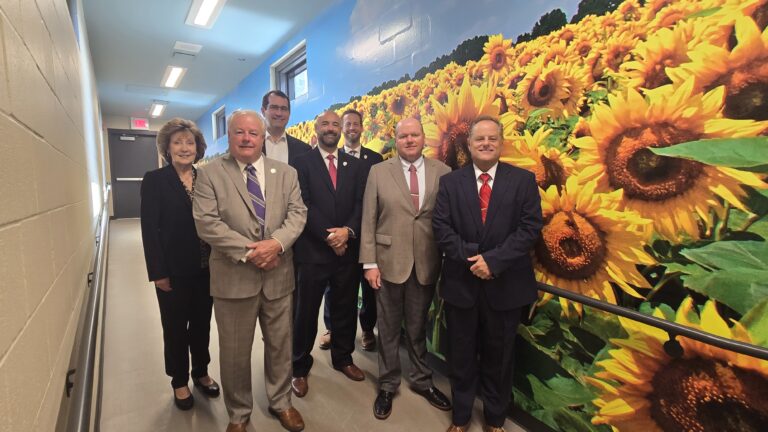
The new $106 million, 190,000-square-foot Sullivan County Jail was recently completed in Blountville.
Managing the maintenance needs of multiple jail facilities is no small task.
As of spring 2024, 1.8 million people were incarcerated in the U.S., according to data from The Sentencing Project, an increase of 400,000 people since 2019 according to numbers from the Vera Institute for Justice.
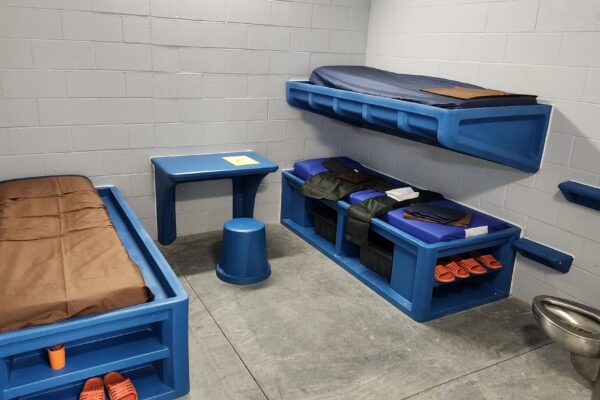
Challenging the traditional model of solitary confinement has been a longstanding goal of the Washington State Department of Corrections, which has been working for more than a decade to reduce the use of solitary confinement and rethink how safety and separation are accomplished.
Correctional designers are under pressure to do more with less.
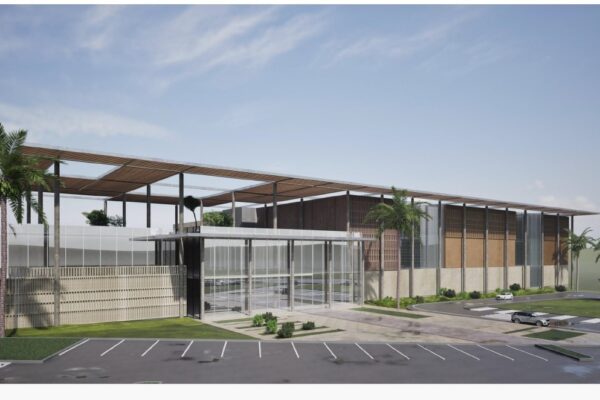
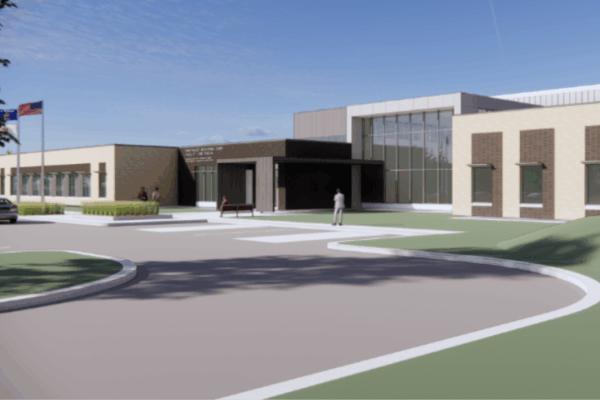
Across the country, counties are investing in spaces that can both serve the needs of today’s court system and position them for long-term growth, with the ultimate goal of reinforcing public trust in civic institutions.
When Chadwick Dotson took the helm as director of the Virginia Department of Corrections (VADOC), he brought with him a bold vision: to position Virginia as a national leader in correctional safety, intelligence and technological innovation.