




Building A Stronger New Mexico
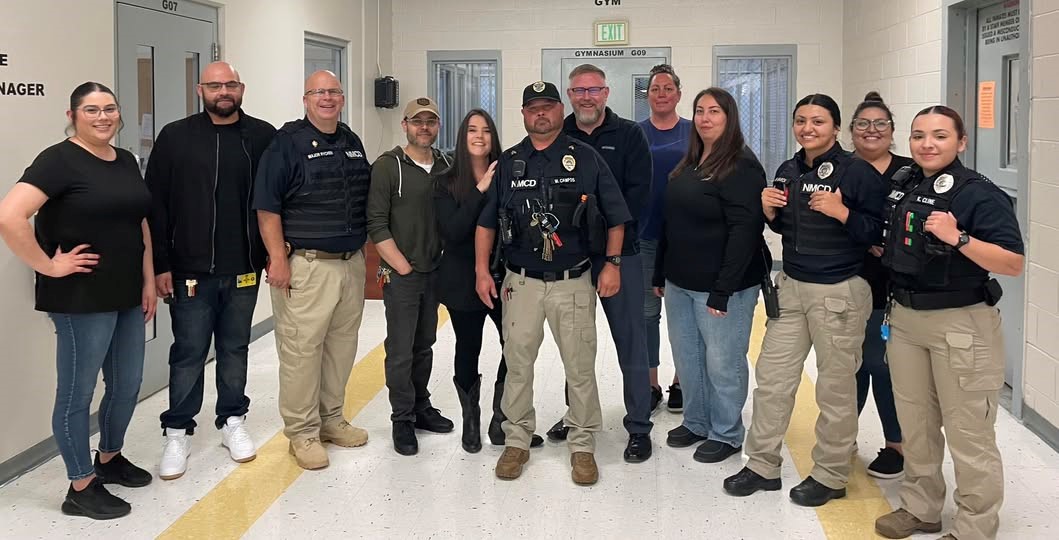
Grounding pay equity in performance, capability, fairness and consistency has made an impact operationally and culturally. | Photo Credit (all): NMCD
By Alisha Tafoya Lucero, Secretary, New Mexico Corrections Department
When I became Cabinet Secretary of the New Mexico Corrections Department (NMCD) in 2019, I had already spent nearly two decades with the department, serving as a caseworker, probation and parole officer, unit manager, deputy warden and warden. I understood the realities of corrections work, the pressures staff face every day and the complexity of trying to improve a system that people often only see at its worst.
Like correctional agencies across the country, we faced staffing shortages, rising behavioral-health needs, persistent recidivism, public skepticism, and the challenge of managing through the pandemic and its lasting impacts. At times, the work felt incredibly heavy, but those challenges pushed us to think differently about what public safety really means and how corrections can better serve both the people in our facilities and the communities to which they eventually return.
I believe that the most effective correctional systems are built on the understanding that people respond to the expectations and opportunities placed before them. When staff are treated with respect, supported and empowered to make a difference, they create safer environments and stronger organizations. Institutional safety and public safety depend on more than security protocols, policies and infrastructure. They also depend on how time is spent inside. When the people in our custody spend their time learning, working, building skills, addressing challenges and contributing in meaningful ways, they are less likely to engage in behaviors that undermine safety, and they are more likely to leave prison better prepared to succeed than when they entered. That belief has guided the work we have done over the past several years.
Corrections is public safety. The work we do inside our prisons directly influences what happens in our communities. The more productive and meaningful a person’s time in custody is, the better prepared they will be to succeed when they return home.
Investing in Staff Equity
One of my earliest priorities as Cabinet Secretary was addressing pay equity across the department. I have always believed that people need to know they are being treated fairly. When compensation decisions are inconsistent, particularly around promotions, it creates frustration, undermines trust and can make people question whether their work is truly valued.
We took a hard look at how compensation decisions were being made and worked to create a more consistent, transparent approach. Today, promotional pay is tied to the responsibilities of the position and applied uniformly across the department. Employees should be able to focus on doing their best work, not wondering whether similar jobs are being compensated differently. That work has had a meaningful impact on recruitment and retention. People are more willing to pursue advancement opportunities and commit to a long-term career when they understand what is expected of them and trust that decisions will be made fairly. In a profession that asks so much of its workforce, that trust matters.
When expectations are clear and opportunities are based on performance, capability and commitment, talented people step forward. Today, we have strong leaders serving throughout our department who bring different experiences, perspectives, and strengths to the table. That benefits the organization, because better ideas emerge when leadership is drawn from the broadest possible pool of talent.
For me, pay equity was never just about compensation. It was about creating a workplace where people know they will be treated fairly, where advancement is earned, and where employees can see a future for themselves within the department. Those principles strengthen organizations, support staff retention and ultimately help us better serve the public.
Reentry as a Public Safety Strategy
When I became Cabinet Secretary, I wanted rehabilitation and reentry to be treated as essential parts of our public safety mission, not as programs operating on the margins of that mission. One of the first steps toward that goal was establishing the department’s Reentry Division and working with the legislature to create a dedicated funding stream for reentry initiatives. It was important to me that this work become a permanent part of the agency’s mission and not something dependent on a particular administration or leadership team.
Approximately 96% of the people in our custody today will eventually return to our communities. That reality requires us to think beyond confinement and focus on what people need to succeed when they leave our facilities. Public safety is strengthened when people return home with education, job skills, treatment, support and a realistic path forward.

Education has been one of the cornerstones of that effort. Today, the NMCD has led all adult learning institutions in the state in high school equivalency completions for three consecutive years and is on pace to do so again. We have also expanded partnerships with colleges and universities throughout New Mexico, creating opportunities that range from workforce certificates to advanced degrees. At the same time, we have worked to ensure that every facility offers meaningful vocational training aligned with workforce needs. Individuals can earn certifications and develop skills in areas such as HVAC, welding, construction, CDL, heavy equipment operation, culinary arts, woodworking and other trades that provide opportunities for stable employment after release.
We have also placed a strong emphasis on peer mentorship. Some of the most effective encouragement and accountability comes from people who have faced similar challenges and successfully navigated them. Over the past several years, we have expanded peer mentorship in our facilities and developed one of the nation’s first post-release peer mentorship programs, helping individuals transition back into their communities with guidance and support from people who understand the obstacles they face.
The department has also looked for new ways to connect people with information and resources. Through initiatives such as the Inside Voices podcast and reentry-focused publications available on facility tablets, individuals can learn about programming opportunities, community resources and the practical realities of returning home, long before their release date arrives.
We recognize that successful reentry involves more than employment and education alone. Many of the people in our system are working to overcome addiction, trauma, mental health challenges and patterns of behavior that often extend across generations. Through substance-use treatment, cognitive behavioral programming, family-focused initiatives, peer support and strong community partnerships, we are working to address those underlying challenges while helping people build healthier and more productive lives.
The progress we have seen has not come from any single program or initiative. It has come from a sustained commitment to preparing people for success, both during incarceration and after release. We have seen more people successfully remain in the community, support their families, and move forward without returning to the criminal justice system. That is good for the individual, for families and ultimately for public safety.
To learn more about how NMCD has enhanced its public engagement and communications initiatives, as well as its work to improve healthcare outcomes for those in custody, read the rest of Secretary Tafoya Lucero’s Director’s Report article in the 2026 Maintenance & Operations edition of Correctional News.